
Introduction
Haleem holds a quiet, inviting place on many Pakistani tables. This post explores how haleem grew into a Beloved Dish, valued for its warmth, texture, and shared joy. It is more than sustenance; it is a thread that ties families and communities to the kitchen and to the season.
A Slow-Cooked Tradition
The dish begins with a patient blend of grains and meat. Cracked wheat or barley meets lentils and tender meat in a long, slow simmer. The result is a thick, creamy paste with generous bite and aromatic depth. The slow process invites care, attention, and a sense of anticipation as aromas fill the home.
Key Ingredients and Their Meaning
Each ingredient tells a small story. Wheat provides body, legumes soften and enrich the paste, and meat lends savor. Spices, salt, and ghee bring warmth and focus, while fried onions add sweetness and crunch. The harmony of these elements reflects a tradition of balance, where every component supports the whole.
The Technique that Shapes Haleem
Chefs control texture through careful timing and steady stirring. They simmer the pot until the grains melt into a smooth, cohesive mass. Then they adjust spice, salt, and acidity to balance richness with brightness. The final stirring binds flavors and creates the signature, luxurious mouthfeel.
Regional Variations in Pakistani Cities
Across Pakistan, haleem takes on distinct character. Karachi blends bright notes and generous garnishes, echoing coastal markets and lively street life. Lahore favors fragrant spices and a velvety texture, with a polished, refined finish. In Peshawar, sharper lemon and mint accents lift the dish and add a witty lift to the savory base. These nuances celebrate local palates while preserving the shared core of the dish.
Haleem in Cultural Moments
Haleem Shines in moments of gathering. It appears on Ramadan evenings, during weddings, and at special family meals. The aroma travels from the pot to the street, inviting neighbors to share a bowl and a story. In homes and at street stalls alike, haleem becomes a bridge between kitchens and communities, inviting warm conversation as bowls are passed.
Serving, Garnishes, and Flavor
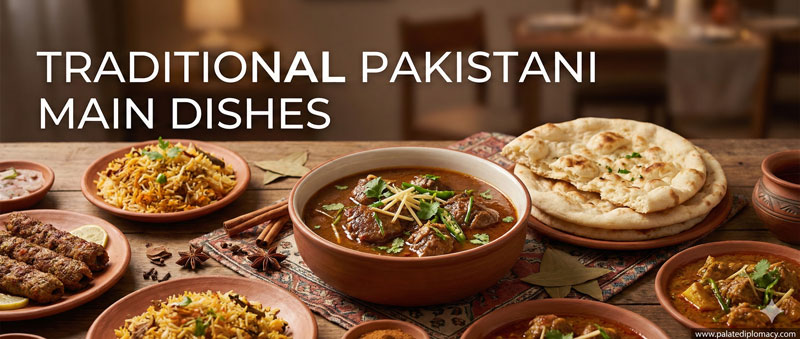
When served, cooks layer on a chorus of garnishes. Fresh lemon juice brightens the plate, while chopped cilantro or mint adds herbaceous lift. Fried onions bring color and crunch, and a drizzle of garam spices can heighten the fragrance. Some serve ginger juliennes and sliced green chilies for a final spark, creating a balanced, memorable presentation.
The Future of Haleem in Pakistani Cuisine
Today, haleem continues to evolve with the times, while honoring its heart. Chefs experiment with textures and herbs, yet the core idea remains: a warm, communal dish that celebrates patience, care, and the craft of slow cooking. Haleem invites everyone to savor the harmony of grain, meat, and spice and to carry its culture forward in every shared bowl.