
What Haleem Is and Why It Captures the Heart
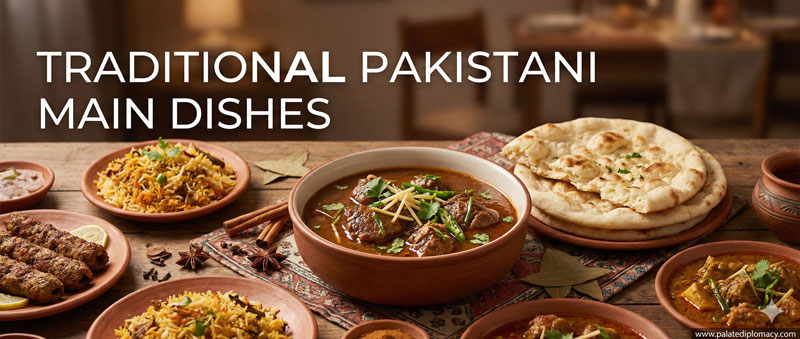
Haleem is a slow-cooked mash of grains, lentils, and tender meat. in Pakistan, it sits at the center of many kitchens and street stalls. The grains and lentils soften until they melt into a creamy paste. Meat flavors the mix deeply, giving it a satisfying warmth. The result is a bowl that feels comforting, hearty, and alive with aroma. Each bite carries a quiet pride in tradition and skill. Haleem is a testament to patience, balance, and the joy of sharing meals.
A Craft Carried Through Generations
This dish is built on craft as much as it is on ingredients. The grains—wheat, barley, and sometimes lentils—are rinsed, soaked, and slow-simmered. The meat joins the pot and cooks until it falls apart tender. The key is time. Hours of gentle simmering coax the flavors to mingle. Then cooks work the texture with a wooden implement or a sturdy spoon, turning the mixture until it thickens into a smooth, spoonable paste. The aroma rises in waves, a signature of careful, patient cooking. In homes and in kitchens along the streets, Haleem is a shared project, often prepared in large pots that feed many mouths. The process feels like a family ritual, a way to pass down technique and care from one generation to the next.
The Cultural Rhythm: Haleem in Pakistani Life
Haleem finds its moment in the rhythm of daily life and seasonal gatherings. It shines during Ramadan, when families break their fast with something nourishing and flavorful. It also appears at special gatherings, festive meals, and outdoor markets. The dish serves as a bridge between people, inviting neighbors and friends to gather, taste, and talk. The first scent of Haleem in a kitchen or on a street corner can signal hospitality, warmth, and welcome. In Pakistan, serving Haleem is more than offering sustenance; it is a gesture of care and a celebration of shared tables.
Regional Voices: Varieties Across Pakistan
Across Pakistan, Haleem wears different accents. In Lahore, it tends to be rich with a balanced warmth and a generous touch of spices. In Karachi, you might find a brighter finish, where garam masala and fresh herbs lift the aroma. Peshawar and the north bring a robust spice profile and a deeper, smoky finish from longer simmering. Hyderabadi Haleem, popular in certain locales, emphasizes a silky texture and a distinctive fragrance. Despite these contrasts, the goal remains the same: a creamy, hearty mouthful that feels familiar and comforting. Each region adds its own touch—varying the grind, the spice blend, and the garnish—while preserving the essence of slow-cooked harmony.
Serving Traditions and Garnishes
A plate of Haleem often arrives with bright, fresh companions. Finely chopped coriander and mint offer a green pop of color and a Fresh lift. Crispy fried onions add texture and sweetness. A squeeze of lemon or lime brightens the flavors, and thin slices of ginger or green chilies can wake the palate. Haleem is usually served with warm naan, tandoori roti, or a soft flatbread that soaks up the thick, creamy consistency. The texture invites gentle stirring right at the table, inviting conversation as the flavors reveal themselves. This careful assembly—creamy base, crisp top notes, and bright accompaniments—turns a meal into a small ceremony of care.
The Taste of Togetherness
Haleem is more than a dish; it is a shared experience. In many households, family members join in to finish the cooking, adjust the seasoning, and plate the bowls. In street markets, vendors stir the pot with practiced ease, offering a comforting scent that draws passersby. The act of sharing a large pot of Haleem fosters connection, patience, and gratitude. Each spoonful carries the memory of labor, family, and hospitality. The dish teaches that great flavor grows from time, cooperation, and affection for others at the table.
Culinary Significance: Balance and Technique
From a culinary standpoint, Haleem embodies balance. It blends grain and meat into a single, cohesive texture. Gentle heat and long cooking unlock deep, mellow flavors. The spices provide warmth without overpowering the base. The garnishes add brightness and contrast, ensuring the dish remains lively from first bite to last. This balance makes Haleem versatile: it comforts at the end of a long day, energizes after a fasting period, and invites conversation during gatherings. The technique—the patient simmer, the careful stirring, the final layering of flavors—serves as a lasting lesson in how to build depth through time and attention.
Preservation of Craft and Community Spirit
Today, many households keep Haleem alive by passing down recipes and methods. Grandparents teach the best timing for turning the pot and the ideal thickness of the paste. Local cooks preserve regional twists, encouraging new generations to taste diversity within a single tradition. In this way, Haleem remains a living art. It evolves with fresh ingredients, seasonal spices, and personal touches, yet it preserves its core identity: a creamy, comforting dish made with care and shared generously.
A Welcoming, Respectful Invitation
If you are new to Haleem, approach it as a warm invitation to Pakistani Food Culture. Notice the patience behind the texture, the balance among grains and meat, and the generosity of garnishes. Listen to the stories that mingle with the steam and aroma—the stories of families, kitchens, markets, and meals prepared for friends. The dish invites you to slow down, savor, and connect. With every bite, you taste a tradition that values hospitality, craft, and the beauty of a well-made, communal meal.