
What is Haleem?
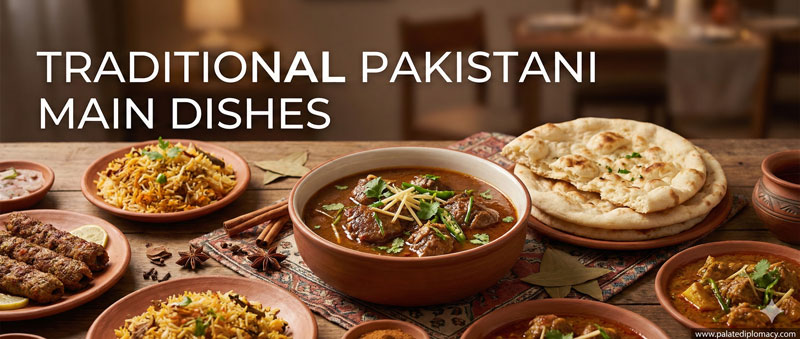
Haleem is a warm, creamy mash of meat, barley, lentils, and wheat. It cooks slowly in a heavy pot until the ingredients fuse into a single, comforting texture. The flavor is deep, gently spiced, and gently sweet from the long simmer. In Pakistan, haleem feels Like a bridge between kitchen craft and everyday celebration. It invites a family, a neighborhood, and a table to come together.
A Dish Woven Into Family Traditions
Haleem is more than a meal. It is a ritual of patience and care. Mothers, grandmothers, and cooks pass down techniques from one generation to the next. The process teaches attention to detail: rinsing grains, soaking seeds, and watching for the right creamy consistency. The dish grows richer when it travels from a single pot to a shared feast. People stand around the stove to smell the spices, to stir, and to taste as it thickens. This communal rhythm makes haleem a beloved staple in many homes.
The Craft: Ingredients and Technique
Haleem centers on a few sturdy pillars: meat, grains, and spices. Commonly used grains include barley, cracked wheat, and lentils. The meat is usually tender and flavorful, often mutton or beef. A well-chosen blend of spices—garam masala, turmeric, cumin, coriander, ginger, and garlic—gives a warm, layered aroma. The dish gains brightness from fresh herbs and a squeeze of lemon. A final touch of fried onions and mint adds texture and aroma. The technique is simple in idea but precise in practice: grind some ingredients coarsely for body, others finely for silk, and cook slowly with steady heat. The result is both heartier and lighter than it first seems.
The Slow Simmer: Time and Patience
Patience is the heartbeat of haleem. It simmers for hours, often on a low flame, while cooks attend to the pot. Gentle stirring prevents sticking and helps the grains release their starch. The long cook makes the grains and meat melt into one harmonious whole. Stirring becomes a quiet ritual that tunes the texture to creaminess without losing character. The waiting time is a quiet classroom where flavor learns to deepen and harmonize.
Texture, Aroma, and Taste
Haleem presents a soft, almost porridge-like body, with tiny grain grains adding texture. The aroma blends toasted spices, meatiness, and simmered grains into a comforting perfume. On the first bite, the taste feels warm and balanced: the meat’s savor, the grains’ earthiness, and the spice blend’s gentle heat. It is nourishing, not heavy, and easy to savor in one sitting or over several portions.
Regional Variations Within Pakistan
Across Pakistan, haleem wears local accents. In some regions, you may find more barley for a heartier bite; in others, additional lentils to brighten the blend. Garnishes can vary too. Some serve haleem with lemon wedges, fresh cilantro, and mint, while others favor a bold topping of fried onions. Yet the core idea remains the same: a slow-cooked, fragrant mash that invites tasting and sharing.
Haleem as a Table Centerpiece
Haleem often marks special moments. It appears on family tables during festive times and community gatherings. The dish makes a gathering feel larger than life, yet intimate. It brings neighbors and friends close, as spoons circle a single pot. The warmth of the dish mirrors the warmth of the moment: generous, welcoming, and respectful of the people who share it.
Simple Pleasures: Everyday Haleem
Haleem is adaptable. Home cooks create lighter versions with leaner meat or more vegetables, or they prepare A Quick weeknight version with pre-cooked grains. The essence remains: a comforting, nourishing meal that can be prepared with care and shared without ceremony. The dish travels well in flavor and spirit, always inviting another helping and another conversation.
Serving Traditions and Garnishes
Serve haleem warm, in bowls that cradle the creamy mash. Offer lemon wedges for a fresh lift, chopped cilantro for brightness, and mint for a cool finish. A scatter of fried onions adds texture and a gentle crunch. These touches help each bite feel complete and personal, encouraging guests to linger a little longer at the table.
Conclusion: A Living Tradition of Flavor and Community
Haleem stands as one of Pakistan’s most loved dishes because it blends heart, craft, and generosity. It is a meal that teaches patience, rewards careful cooking, and invites people to share. Its cultural value lies in the everyday rituals of preparation and the joy of gathering around a warm pot. In every bowl, haleem tells a story of care, community, and the beauty of slow, soulful cooking.