
Discover the Rich Flavors of Haleem
Haleem is a late-afternoon marvel and a timeless favorite in many kitchens. It blends tender meat, lentils, and grains into a silky, spoonable dish. The texture sings: creamy and smooth, yet with hints of bite from the grains. The aroma lifts the room with warm spices and roasted notes. Each bowl invites curiosity about its ingredients and the careful hands that coax them into harmony.
The dish speaks to patience and craft. It is neither rushed nor flashy; it unfolds slowly to reveal depth. The warmth of the spices and the heartiness of the ingredients create a comforting balance. In every bite, you taste tradition, care, and a love for warm, shared meals.
Cultural Value and Shared Moments
Haleem is more than sustenance; it is a gesture of hospitality. In homes and community kitchens, its preparation becomes a gathering. Friends and family join to rinse, soak, grind, and stir. The process turns cooking into a social ritual, a time to connect while the pot does its quiet magic. Sharing a bowl of haleem is a moment of belonging, where conversations flow as freely as the steam rising from the pot.
Across neighborhoods, haleem marks seasonal celebrations and special occasions. It appears as a fragrant offering at festive tables and bustling street corners alike. The dish adapts to local tastes, yet its spirit remains the same: to invite warmth, to nourish, and to honor the joy of coming together around food.
The Culinary Craft Behind Haleem
Haleem earns its charm through a precise balance of technique and patience. The base is a careful mix of meat, lentils, and cracked grains. The meat is tenderized through slow cooking, allowing natural flavors to bloom. Then the grains and lentils blend in, creating a lush, paste-like texture. The final stage is a gentle, steady simmer that softens any remaining bite and deepens the richness.
Spices play a starring but never overpowering role. A measured touch of garlic, ginger, cumin, coriander, and garam masala lifts the dish while preserving its subtle, earthy core. The aroma comes from a careful bloom of whole spices fried in oil, followed by a dose of sharp freshness from herbs.
The finishing touches matter just as much as the simmer. Crispy fried onions add sweetness and crunch, fresh cilantro or mint brings brightness, and a squeeze of lemon offers a bright contrast. When served, haleem presents as a comforting, fragrant bowl that invites spoonful after spoonful.
Regional Variations Across South Asia
Every region lends its own hue to haleem, enriching its global appeal while preserving a shared essence.
- Hyderabadi haleem: Known for its depth and a slightly richer texture. It often carries a saffron glow and a generous garnish of fried onions, lemon, and coriander.
- Awadhi or Lucknowi haleem: Lighter in spice, with a refined aroma from delicate spice blends. It emphasizes silky texture and precise balance.
- Punjabi-style haleem: Heartier in bite and flavor, sometimes with a bolder touch of chili and a robust finish.
- Balochi and other regional takes: Individual grain and lentil blends appear, each carrying local pride and a distinctive aroma from regional spices.
These variations celebrate local preferences and techniques while keeping the dish’s essence intact: a slow-cooked, nourishing bowl that invites sharing and conversation.
Garnishes, Accompaniments, and Serving Traditions
A bowl of haleem is never bare. The toppings and sides elevate the experience. Common garnishes include fried onions for sweetness and texture, chopped cilantro for brightness, and lemon wedges for a citrus lift. Some kitchens add chopped green chilies for a gentle kick, while others fold in fresh mint for a cool note.
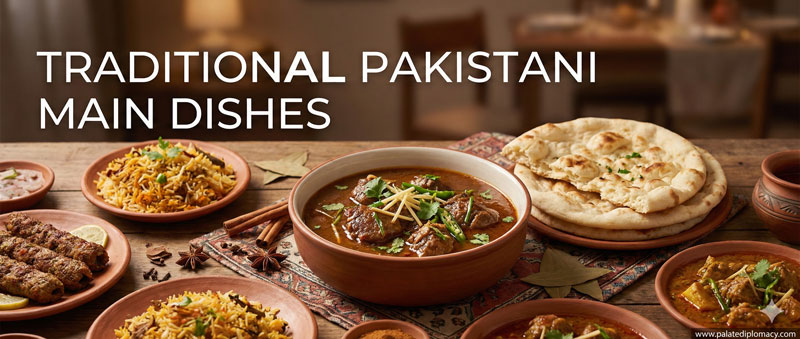
Pair haleem with warm bread such as naan, tandoori roti, or sheermal. A soft, ready-to-dip bread transforms the meal into a hands-on, communal experience. In many places, haleem walks hand-in-hand with light soups or salads that cleanse the palate and balance the richness.
Haleem as Flavorful Nourishment and Cultural Expression
Haleem blends nourishment with ritual. It provides protein, energy, and comfort in a single dish, yet it also tells a story of care and artistry. The slow simmer, the careful layering of spices, and the gentle finish all convey respect for ingredients and for the people who share the meal.
This dish embodies hospitality. It welcomes guests with a warm bowl and a generous spirit. It celebrates family and community through the simple acts of stirring, tasting, and passing bowls around the table.
Experience Haleem in Your Kitchen
If you want to bring haleem into your home, start with a clear plan and patient pacing. Gather a modest mix of meat, lentils, and grains, plus a thoughtful spice set. Begin early, keep the pot at a gentle simmer, and allow flavors to meld. Finish with crisp onions, herbs, and a bright lemon touch. Then invite someone to share the first spoonful—a small celebration of flavor, culture, and togetherness.
Discover the rich Flavors of haleem in a bowl that honors craft, culture, and communal joy. Each bite is a doorway to the beauty of traditional cooking and the warmth of shared tables.