
The Story Behind Haleem, a Pakistani Food Favorite
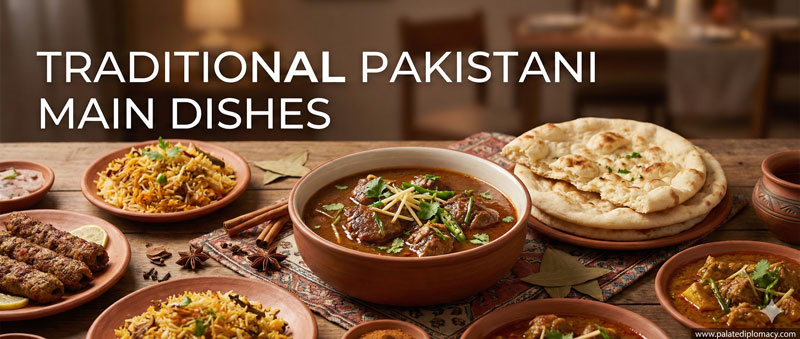
Haleem stands as a warm emblem of Pakistani dining. It blends grains with tender meat and slow-simmered spices until the mixture becomes velvety and robust. The dish carries a sense of home, ritual, and care. Families gather around a shared pot, neighbors stop by to smell the aroma, and the kitchen becomes a place of conversation and comfort. Haleem is more than food; it is a celebration of patience, skill, and community. In many households, it lights up Ramadan evenings, wedding feasts, and seasonal gatherings. The act of cooking and sharing haleem ties generations together, linking old techniques to new plates. This is The Story told not only by flavor but by the way a pot is passed from one hand to another, from simmering heat to a spoon in a waiting bowl.
A Slow-Cooked Symphony
Haleem is built on a careful balance of grain, legume, and meat. Wheat and barley mingle with lentils, while chunks of meat braise in a steady, gentle flame. The long simmer unlocks sweetness from the grains and savoriness from the meat. Cooks monitor the pot, stirring with patience as flavors merge. Spices enter in layers: a warm kiss of cumin and coriander, a hint of turmeric, and sometimes garam masala for depth. The result is a thick, creamy porridge that feels both hearty and refined. Finally, a touch of ghee or oil enriches the texture, and a pinch of saffron may appear for a delicate brightness. The cooking technique honors time itself, turning simple ingredients into a dish with lasting warmth.
Textures, Aromas, and Garnishes
The texture of haleem invites careful tasting. It is smooth and lush, with small strands of grain and melt-in-your-mouth meat. The aroma rises first—roasted onion, toasted spices, and simmering meat mingle in the air. The finish is clean and satisfying, inviting the next bite. Garnishes add brightness and contrast: fried onions for sweetness and crunch, fresh coriander for lift, lemon wedges for a citrus spark, and green chilies for a gentle heat. Some households drizzle a little extra ghee, letting it sheen across the surface. Each serving becomes a small ceremony of color, scent, and texture that enhances the dining experience.
A Dish for Shared Moments
Haleem lives at the heart of communal eating. It appears in family kitchens during special days, in streetside stalls that welcome visitors, and in large gatherings where the pot is central to the table. People lend a hand in preparation, peel onions, rinse grains, and stir slowly together. The shared effort mirrors the shared meal. In this way, haleem strengthens bonds of friendship and kinship. The act of serving it, the act of tasting it—these moments become memories that travelers and locals alike carry with them. The dish embodies hospitality, generosity, and the joy of togetherness.
Craft and Ingredients
The base of haleem blends grains and pulses: wheat and barley mingle with lentils, creating body and nourishment. Meat—often tender cuts of mutton or beef—joins the mix, absorbing spice and time. Aromatics such as garlic, ginger, and onions contribute depth, while cumin, coriander, and a dash of chili provide warmth. Some cooks add saffron, cardamom, and cloves to lift the aroma. Finishing touches include ghee, fresh herbs, and a bright squeeze of lemon. The balance among ingredients is deliberate: grain, lentil, meat, and spice must mingle harmoniously to achieve the dish’s signature creaminess without losing character.
Regional Variations Within Pakistan
Across cities, haleem takes on subtle local accents. In busy markets, it may arrive with a bolder spice profile and a crisp garnish of fried onions and lemon. In home kitchens, cooks adjust the texture—some prefer a smoother, almost satin-like bowl, others a heartier bite with more bite-sized grain. Regional herbs and regional heat levels color the final plate. Despite these differences, the core idea remains the same: a slow, patient cook that transforms simple groceries into a beloved dish. This shared love for haleem shows how cuisine can reflect local taste while keeping a universal appeal.
Haleem in the Modern Home Kitchen
Today, many households honor tradition while embracing convenience. Home cooks use modern tools like pressure cookers or slow cookers to shorten the time without sacrificing depth. Prepped grains and spices can be measured in advance for a ready-to-cook experience. Yet even with faster methods, the essence stays the same: patience, care, and a generous heart. Modern haleem also appears at food stalls, pop-up tables, and festival stands, where artisans showcase the dish’s craft and inviting aroma. The result is a bridge between yesterday and today, connecting cooks and eaters across time.
How to Enjoy Haleem Today
To savor haleem fully, begin with a generous scoop while it’s hot. Squeeze lemon for brightness, scatter fresh coriander for lift, and sprinkle fried onions for sweetness and texture. A side of warm naan or paratha makes the experience complete. Sip a glass of cold water or yogurt alongside to balance the spice. Each bite should feel comforting and elegant, a reminder of care and community. Haleem invites you to pause, appreciate, and share the moment with others. It is a dish that speaks softly of culture, skill, and the beauty of slow cooking done well.
If you seek a dish that marries nourishment with memory, Haleem offers a clear, gracious answer. Its cultural value lies in how it brings people together, how it teaches patience, and how it reveals the beauty of simple ingredients transformed through time. In every bowl, you taste more than flavors—you taste a story of togetherness, craft, and the spirit of Pakistani Food Culture.