
A Classic Duo: Ackee and Saltfish at a Glance
Ackee and saltfish stands as a bright, inviting cornerstone of Caribbean cooking. Creamy ackee meets salty, flaky cod to create a dish that feels warm and confident. It is a meal that many households return to with gratitude and joy.
What Are Ackee and Saltfish? A Quick Description
Ackee is a pear-shaped fruit that opens to reveal soft, pale flesh around glossy seeds. When fully ripe and prepared with care, it has a buttery, delicate texture. Saltfish is dried cod that has been soaked, rinsed, and cooked until tender and savory. Together, they form a harmonious pairing of creaminess and depth.
The Flavor Story: Why It Tastes So Radiant
The appeal comes from balance. The richness of ackee blends with the savory saltiness of the fish. Onions lend sweetness, peppers add brightness, and thyme gives a herbaceous lift. A touch of hot pepper can wake the palate, while citrus or lime can bring a fresh note. The result is a dish that feels comforting yet vibrant, everyday friendly and celebration-ready.
A Dish With Daily and Festive Uses
Ackee and saltfish suits many moments. It shines on weekend breakfasts, Sunday dinners, and casual gatherings. It travels well from home kitchens to small eateries, where vendors showcase its inviting aroma. The dish invites all ages to share in its flavors, making meals feel special without being fussy.
Preparation and Technique: Respectful Handling of Ingredients
Saltfish is simmered and softened, then flaked into the pan. Rinse and soak to remove excess salt, then boil briefly for tenderness. Ackee should be opened carefully and added near the end to avoid overcooking. Be gentle as you fold the pieces in, preserving their creamy texture. Finish with a quick bloom of thyme and a light touch of spice.
Regional Variations: Texture, Salt, and Spice
Across the islands, cooks adapt the base, keeping the core harmony intact. Some versions emphasize a stronger pepper note with scotch bonnet or hot peppers. Others lean toward a milder profile with extra thyme and onion. Tomatoes find their way into certain preparations, adding a touch of sweetness. Yet the backbone—creamy ackee with salted fish—remains unmistakable.
Serving Traditions: Accompaniments and Styles
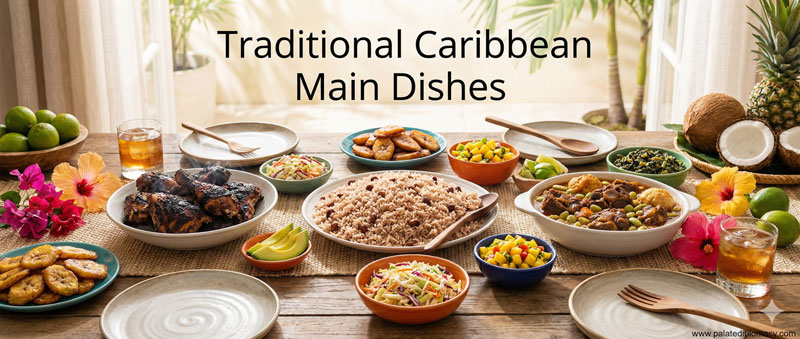
Common pairings include fried dumplings, ripe plantains, or white rice. Some households enjoy festival bread on the side for added texture. A squeeze of lime or a fresh salad can brighten the plate. The dish adapts to both casual lunches and more composed dinners, always highlighting its comforting character.
The Cultural Significance: A Dish That Brings People Together
Ackee and saltfish is more than a meal; it is a shared ritual. Families gather around the stove, exchanging tips and stories as aromas fill the room. The dish often marks a moment of togetherness—whether a simple weekday morning or a weekend gathering. Its presence on a table signals welcome and warmth, inviting conversation and connection.
Quick Guide to Enjoying Ackee and Saltfish at Home
- Choose ripe ackee with a pale, creamy interior. Handle gently to keep the texture intact.
- Rinse and soak saltfish, then boil to reduce salt and soften the flesh.
- Sauté onions and peppers briefly, add saltfish, then fold in ackee.
- Season with thyme, a hint of pepper, and a splash of oil. Avoid overcooking ackee.
- Serve with a starch and a bright vegetable side for balance.
- Taste and adjust salt carefully, since the fish can vary in saltiness.
Final Thoughts: The Timeless Caribbean Classic
Ackee and saltfish celebrates simple, high-quality ingredients transformed through care. Its creamy texture, savory depth, and fragrant herb notes create a dish that feels both familiar and special. It remains a beloved expression of Caribbean cooking—easy to love, easy to share, and easy to return to again and again.