
Introduction
Afang Soup is a vibrant, green-rich dish that has earned a cherished place in Nigerian cuisine. Its fame comes from its welcoming aroma, hearty texture, and the way it brings people together around a shared meal. In this post, we explore how Afang Soup became popular, and why its cultural value and culinary significance continue to shine in homes, markets, and kitchens across Nigeria.
What is Afang Soup?
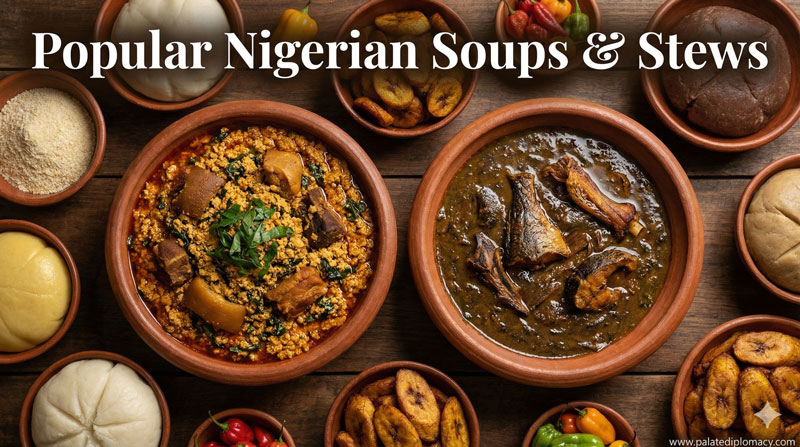
Afang Soup is a hearty Nigerian soup built on two key greens: Afang leaves (also known as Okazi) and water leaves. The result is a glossy, velvety broth that carries a chorus of flavors from palm oil, dried fish or stockfish, beef or assorted meats, and a careful balance of crayfish and spices. The leaves provide a bright, fresh bite, while the thick, rich broth delivers depth and warmth. This combination makes Afang Soup instantly recognizable and deeply satisfying.
The Core Ingredients and Technique
The heart of Afang Soup lies in the greens and the technique used to prepare them. Afang leaves are shredded into long ribbons, creating a delicate, lush texture that folds into the soup. Water leaves are added for a lighter, slightly slippery bite, balancing the Greens with moisture and body. Palm oil adds a warm, golden hue and a silky mouthfeel. Crayfish, stockfish, and meats contribute depth and a gentle, savory bite. The dish often finishes with a touch of seasoning and a clear, clean finish that invites another helping.
Key techniques include layering flavors through careful sautéing, simmering to blend the meat stock with the greens, and achieving the right thickness without dulling the greens’ brightness. When prepared well, Afang Soup carries both elegance and comfort in every spoonful.
Cultural Value: Community and Hospitality
Afang Soup embodies hospitality in Nigerian culture. It is a dish that families prepare for gatherings, celebrations, and everyday meals alike. Large pots, steady hands, and open doors greet guests, and sharing a pot of Afang Soup becomes a small ceremony of welcome. The act of serving the soup to loved ones reinforces social bonds, respect for elders, and the joy of communal dining. The greens symbolize freshness and vitality, while the generous mix of meat and seafood signals abundance and care. In many homes, the act of preparing Afang Soup is a family tradition, passed down through generations with tips on timing, texture, and seasoning.
Serving Afang Soup also invites conversation and reflection on flavor. Guests are invited to dip, taste, and compare the balance of greens, oil, and spice. This collaborative experience strengthens memory and sense of place, making Afang Soup more than a meal; it is a cultural ritual of sharing and warmth.
Culinary Significance: Flavor, Texture, and Craft
Culinary significance rests on how Afang Soup blends textures and layers flavors. The leaf greens deliver a fresh, slightly grassy note that contrasts with the deep, nutty richness of palm oil. The meats and stockfish contribute savory depth, while crayfish adds a gentle umami shore. The result is a multi-dimensional palate experience: bright, earthy, savory, and comforting all at once.
Texture plays a starring role as well. The ribbons of Afang leaves create a pleasing chew and glide, while water leaves provide a soft, silky counterpoint. The soup’s thickness invites a satisfying mouthfeel, especially when paired with a starch such as fufu, pounded yam, or garri. The balance of moisture, fat from the palm oil, and the sturdy greens demonstrates culinary craft: a careful hand with heat, timing, and seasoning yields the signature shine and consistency that diners expect.
Becoming Popular: Path to Nigerian Cuisine
Afang Soup rose to popularity through everyday cooking, street food stalls, and the evolving landscape of Nigerian eateries. Families began sharing their versions in homes, allowing the dish to travel from kitchen to kitchen with each generation adding its own touch. Local markets showcased fresh Afang and water leaves, making the dish accessible to many cooks who could build a pot that feeds a crowd.
As more cooks and restaurant chefs featured Afang Soup in menus and cookbooks, its profile grew. The dish gained exposure through food-focused events, recipe blogs, and culinary shows that celebrate Nigerian flavors. Its appeal lies in versatility: it suits quiet weeknight dinners, vibrant weekend gatherings, and special occasions alike. The ability to adapt through regional greens, meat choices, and spice levels helped Afang Soup become a familiar sight across Nigerian dining spaces.
Regional Variations and Serving Traditions
Across regions, Afang Soup has variations that reflect local tastes while preserving its core identity. Some kitchens emphasize the primacy of Afang leaves, while others balance a stronger water-leaf component for extra body. The choice of proteins—beef, assorted meats, stockfish, or dried fish—offers customization without sacrificing the essence of the dish. Spices and pepper levels also vary, allowing cooks to tailor heat to guests.
Serving traditions center on pairing Afang Soup with a starchy side. Pounded yam, fufu, or garri are common companions that help lift the soup’s flavors and provide a satisfying contrast in texture. In social settings, serving is thoughtful and generous, reinforcing the hospitality that defines the dish. The beauty of Afang Soup lies in its adaptability, its vibrant greens, and the care that cooks invest in presenting a pot that welcomes everyone to the table.
Practical Tips for Home Cooks
- Choose fresh greens: Look for bright Afang leaves (Okazi) and crisp water leaves. Fresh greens give the soup a lively flavor and vibrant color.
- Slice with care: Tear Afang leaves into long ribbons for a silky texture that blends easily into the broth.
- Build flavor in layers: Start with sautéed onions and meat stock, add proteins, then greens for a balanced finish.
- Mind the oil: Palm oil should lend warmth and gloss without overpowering the greens. Adjust to taste.
- Balance heat: Start with a moderate level of pepper, then adjust after tasting.
- Substitutes: If fresh greens are scarce, some cooks blend in mild leafy greens to maintain body and color.
- Vegetarian option: Use mushrooms or no meat stock and rely on seafood seasoning to maintain depth.
Conclusion
Afang Soup stands as a celebration of greens, generous flavors, and shared meals. Its journey through Nigerian cuisine illustrates how simple ingredients—Afang leaves, water leaves, palm oil, and a thoughtful combination of meats and seasonings—can become A Beloved staple. The dish invites hospitality, fosters community, and showcases culinary craft through texture, color, and aroma. By embracing its cultural value and culinary significance, we honor a dish that continues to delight families, friends, and food lovers who gather around a pot of Afang Soup and welcome one another with warmth and gratitude. If you have the chance, try preparing Afang Soup at home and discover the beauty of its greens, the richness of its broth, and the joy of sharing a meal that speaks to the heart of Nigerian cuisine.