
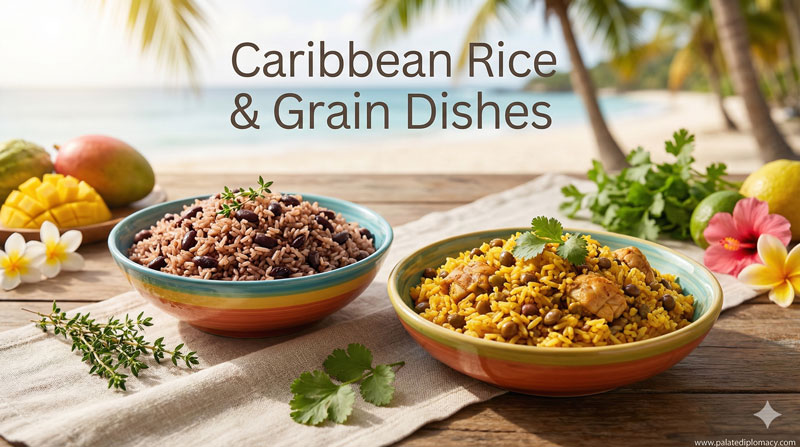
The Charm of Coconut Rice Across the Caribbean
Coconut rice is more than a recipe. It is a warm, welcoming presence on tables from Jamaica to Trinidad, from Barbados to the Dominican Republic. The dish invites conversation, shared dishes, and a moment to savor sunlit kitchens. Its creaminess, bright coconut aroma, and gentle sweetness harmonize with spicy stews, fresh fish, and vibrant vegetables. In every island, coconut rice carries a sense of home and togetherness.
What Makes Coconut Rice Special
Coconut rice blends simple ingredients into a bright, comforting dish. Rice absorbs the creamy coconut milk, picks up a hint of salt, and carries a layer of fragrance from the coconut itself. The result is a fluffy grain with a soft bite, never heavy. The dish shines when cooked with patience and attention to balance—enough liquid to hydrate the grains, enough heat to wake the coconut’s aroma, and a touch of salt to lift the natural sweetness.
Across the Caribbean, cooks adapt coconut rice with local textures and flavors. Some regions add a few bright herbs or a pinch of spice to echo nearby dishes. Others use coconut milk from fresh coconuts, which gives a lighter, lively note. Canned coconut milk is common too, especially when time is short. Either way, the Heart of the recipe remains the same: rice meeting coconut in harmony.
Regional Flair and Shared Techniques
Jamaica often features coconut rice as a creamy side for jerk-seasoned mains. The rice acts as a soft, cool counterpoint to bold spices, letting every bite feel balanced and inviting. In Puerto Rico and the Dominican Republic, arroz con coco appears with gentle sweetness and a touch of salt that makes it pair beautifully with seafood soups and hearty stews. Grenada and Barbados showcase coconut rice alongside nutty grains and fresh vegetables, letting regional produce do the talking. Trinidad and Tobago bring a slightly richer finish, sometimes finished with a squeeze of lime for brightness.
What unites these variations is a shared technique: toast the rice lightly to wake its nutty aroma, then simmer with coconut milk and a little water or broth. A gentle simmer yields grains that separate easily, creating a comforting bite without heaviness. A final fluff with a fork helps preserve the grain structure, ensuring the dish remains inviting and easy to serve.
Sensory Journey: Aroma, Texture, and Taste
The aroma is iconic. Coconut milk brings a tropical, creamy scent that fills the kitchen as the rice cooks. The fragrance mingles with steam from boiling pots, lending a sense of anticipation to mealtime. The texture is the other star: each grain should be separate, glossy, and tender. When done well, coconut rice feels almost silky on the tongue, a soft cushion for the flavors it supports.
Taste-wise, coconut rice offers a gentle sweetness and a hint of salt. This balance makes it versatile. It can mingle with spicy sauces, tangy citrus glazes, or herb-forward vegetables. It also holds its own as a stand-alone partner to grilled fish or roasted plantains. In short, its charm rests in versatility and the way its flavor profile enhances both simple and elaborate dishes.
Pairings that Elevate the Dish
Coconut rice shines with a range of Caribbean classics. Grilled or fried fish, pepper pot stews, and coconut-based curries all find a faithful partner in this dish. It also pairs beautifully with bean dishes, giving a creamy base that complements both protein and vegetables. For a complete plate, add a bright salsa of tomato, onion, pepper, and lime, or a simple side of sautéed greens. The result is a meal that feels bright, balanced, and inviting.
The Craft Behind the Milk and Grain
Fresh coconut milk elevates the experience. Grating fresh coconut and squeezing the milk, then pairing it with rice, creates a vivid, authentic flavor. The choice of rice matters too. A medium- to long-grain variety works well, delivering a cling-free, fluffy texture once cooked. Some cooks blend a little coconut cream for extra richness, especially when serving at festive gatherings. Others keep it lighter by using more water and less thick cream.
If you use canned coconut milk, shake the can well before measuring. Add a touch of salt, and consider a splash of lime juice at the end to brighten the finish. These small choices shape the final dish, making each preparation feel personal and well-tuned.
Cooking Methods Across the Caribbean
Traditionally, coconut rice is prepared on a steady flame in a sturdy pot. This method allows a gentle simmer and even absorption. In many homes, a tight-fitting lid traps steam, helping the grains stay tender and glossy. Modern kitchens may use a stove-top method with a measured simmer, or a small pressure cooker for quick weeknight meals. Regardless of the method, the key is steady heat and attentive timing. Gentle bubbling, not a hard boil, yields the soft grains and creamy sauce that define coconut rice.
Celebrations, Everyday, and the Many Moments
Coconut rice is both a daily staple and a dish for special occasions. On busy weekdays, it offers a comforting, fast way to round out a meal. For family gatherings and festive meals, cooks may layer in extra flair—perhaps a few spices, citrus zest, or a delicate herb finish. The dish adapts to the mood of the moment, from simple weeknight dinners to joyous celebrations around the table. In every setting, the aroma invites sharing and conversation.
Practical Tips for Home Cooks
- Start with a clean, dry pan. A light toast for the rice enhances its nutty aroma.
- Use coconut milk in a 1:1.5 to 1:2 ratio with rice, depending on how rich you want the dish.
- Rinse the rice to remove excess starch, then drain before cooking to help grains stay separate.
- Add a pinch of salt and a small splash of lime juice at the end to lift the flavors.
- If you prefer a lighter result, swap some coconut milk for water or broth.
- Let the dish rest a few minutes after cooking, then fluff with a fork to keep grains distinct.
A Call to Explore
Coconut rice offers a doorway into the Caribbean kitchen: a dish that honors simple ingredients, elevates everyday meals, and invites shared moments. The next time you plan a meal, consider preparing coconut rice as a respectful celebration of flavor and texture. Serve it alongside a bright fish dish, a green vegetable, or a hearty stew, and you will taste the warmth and accessibility that make this staple beloved across the region.
As you cook, notice how the coconut’s sweetness and the rice’s gentle bite come together. Observe how a simple side can carry the memory of sunlit days and neighborhood kitchens. In every bite, you can sense the beauty of Caribbean culinary culture—quiet, elegant, and inviting to all who sit at the table.