
Introduction
Curry goat is more than a dish; it is a bright thread in the fabric of Caribbean cooking. Its aroma fills kitchens, markets, and growing crowds at festive gatherings. Across the region, families turn to curry goat for warmth, comfort, and a sense of welcome. The meat, cooked until tender, pairs with a spiced sauce that carries fragrance from onions, garlic, peppers, thyme, and curry. This dish invites you to pause, savor, and share. It shines in celebrations and everyday meals alike, offering both presence and pleasure at the table.
The Heart of the Dish
At its core, curry goat blends bold spice with patient technique. The meat is often cut into hearty pieces and browned to deepen flavor. Then it braises in a fragrant liquid that carries curry, herbs, and heat. The simmering time allows the meat to release rich juices while absorbing the spices. The result is a sauce that clings to each piece of meat and coats rice, roti, or dumplings with a lush, comforting sheen. The dish balances heat, earthiness, and a touch of brightness from fresh aromatics and citrus.
Key Flavors and Techniques
The flavor profile centers on a well-rounded curry foundation. Use curry powder or a Curry Paste as the backbone, and layer in paprika or chili for warmth, onion and garlic for sweetness and bite, and thyme for a grassy lift. A touch of allspice or peppercorns can add depth, while peppers bring lively heat. Some cooks enrich the sauce with a splash of Coconut Milk for creaminess, while others keep it lean and punchy with a brighter finish from lime or fresh herbs. Marinating the meat briefly helps the spices cling, and browning the pieces first builds a savory base. Finally, a steady simmer until the meat is tender makes the sauce sing. Each step reinforces technique with taste, creating a dish that feels both comforting and precise.
Regional Variations
Across the Caribbean, curry goat wears subtle regional colors. In Jamaica, the dish often leans into a bright, spicy note with peppers and robust seasonings that wake the palate. In other islands, cooks may emphasize a slightly milder profile with herbal brightness from thyme and fresh scallions. Some kitchens favor a richer sauce with coconut milk, while others keep the mix lean and clean, letting the spice blend lead the way. Regardless of small differences, the common thread is a soulful dish that invites slow savoring and shared bowls. The same pot can reflect a family’s favorite tweaks, yet always remains unmistakably curry goat.
Serving Traditions
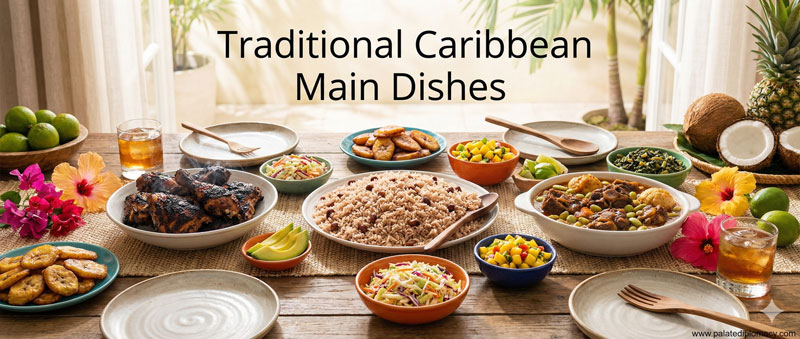
Curry goat shines beside simple, satisfying sides. Rice and peas or plain white rice offer a blank canvas for the sauce. Roti, fried dumplings, or even roasted plantains provide comforting contrasts in texture. A squeeze of lime or a quick cucumber relish can brighten the plate, balancing the rich sauce. The dish often appears in gatherings where friends and family come together, reinforcing a sense of hospitality, warmth, and conversation around the table.
Cultural Significance
Curry goat holds a special place as a dish that welcomes people and signals care. It appears in kitchens from early morning cleanups to late-night simmering, and its aroma travels through rooms, drawing loved ones toward the pot. The dish is a shared experience—carefully prepared, patiently cooked, and joyfully enjoyed. It tells a story of flavor meeting community, where memories are built around a pot, spoons, and a table set for togetherness.
Modern Popularity and Accessibility
Today, curry goat travels beyond home kitchens to markets, street stalls, and diverse dining rooms. The recipe remains adaptable, inviting home cooks to tailor spice levels, sweetness, and creaminess to their taste. The method—browning meat, building a layered sauce, and slow braising—remains approachable. This accessibility helps the dish spread its comforting welcome, inviting more people to discover and savor its richness in everyday life.
Tips for Home Cooks
- Marinate briefly to let flavors cling to the meat.
- Brown the pieces well; a good sear adds depth to the sauce.
- Simmer slowly to achieve tender meat and a lush, cohesive sauce.
- Balance heat with acidity or a touch of sweetness, depending on your palate.
- Finish with fresh herbs or a squeeze of citrus for brightness.
Conclusion
Curry goat remains a beloved emblem of Caribbean cooking, celebrated for its warmth, aroma, and generous spirit. It invites friendly hands, patient preparation, and shared joy at the table. Whether enjoyed on a quiet weeknight or a lively gathering, the dish offers a welcoming taste of Caribbean culinary artistry—bold, comforting, and truly memorable.