
Introduction
Curry goat has earned a beloved place in Caribbean kitchens, where its aroma begins the moment the pot warms. This dish speaks to warmth, hospitality, and shared meals. It invites families to gather, swap stories, and savor a balance of bright spice and rich meat. In every island kitchen, curry goat reflects local taste, technique, and a cheerful spirit of togetherness.
The Flavor Journey
Across kitchens and markets, curry goat moved from a home recipe to a regional favorite. Chefs and home cooks traded tips about timing, heat, and tenderness. You can feel the journey in the way the dish wears its spice: bold, mellow, and welcoming to new tasters. The scent alone signals a celebration or a weekend family meal. Each island adds its own note, while the core essence—savory meat bathed in fragrant curry—remains the heartbeat of the experience.
The Spice Blend
Curry powder is the central voice here, delivering color and character. It blends turmeric for warmth, coriander and cumin for depth, and fenugreek or mustard for a peppery edge. A trace of allspice often chats with thyme, garlic, and onion to form a bright, earthy base. Scotch bonnet or another pepper adds a gentle blaze, lifting the sauce without overpowering the meat. The balance matters: spice should awaken the senses, not overwhelm the palate. This harmony makes curry goat feel both distinct and universally inviting.
Cooking Craft
The craft starts with choosing the meat and letting flavor begin with a careful sear. Marinating goat pieces with salt, pepper, and a touch of citrus quiets gamey notes and infuses brightness. Sauté onions, garlic, and scallions, then stir in the curry powder to bloom its oils. Add liquid—water or Coconut Milk—then slowly braise the meat until it becomes tender and glossy. Patience matters here; slow heat allows the spices to meld with richness, producing a sauce that clings to rice, roti, or plantains. A well-tended pot releases a steam that promises comfort and a sense of home.
Regional Variations
In Jamaica, the curry often leans lively and bright, with a slightly thicker sauce and a higher emphasis on peppery notes. Trinidadian versions may lean toward depth from slower simmering and a touch more coconut milk, giving a creamy finish. Barbados and other islands put their own stamp through herbs like thyme and a preference for certain root vegetables, such as potatoes, that absorb the curry’s warmth. Across the region, cooks adapt to local produce and tastes, yet all share the same principle: tender meat in a sauce that sings with spice.
Cultural Value and Shared Tables
Curry goat nourishes more than bodies; it nourishes bonds. It becomes a center for gatherings where neighbors are welcomed to share bowls, stories, and laughs. The dish carries a sense of ritual—seasoning, simmering, and serving—that unfolds as a small ceremony of care. Children learn to observe how flavors develop, while elders pass on tips for timing and balance. This shared experience is the spice that flavors every bite, making curry goat a staple of everyday life as well as festive occasions.
Pairings and Serving Traditions
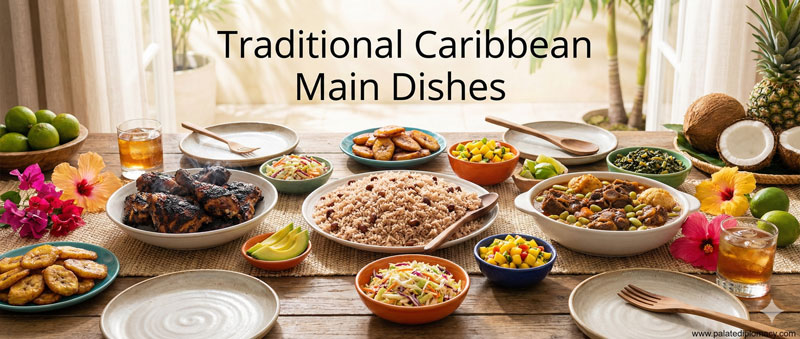
Many find joy in pairing curry goat with rice and peas, soft roti, or fried plantains. A squeeze of lime brightens richness, while a side of callaloo or a fresh salad provides balance. Coconut milk, a splash of herbs, and a crisp pickle can accompany the plate for added contrast. The serving rhythm—plenty of bowls, forks or hands, and a table ready for conversation—heightens the sense of welcome that surrounds the dish.
Embracing the Craft
Home cooks can honor tradition while adding personal touches. Start with quality goat meat, a robust curry blend, and a patient simmer. If you prefer a milder heat, reduce the pepper; for extra depth, add a bit of browned sugar or a touch of roasted garlic. You can experiment with different starches and greens to reflect your local produce, always returning to the core: tender meat bathed in soulful spice. The beauty lies in how each kitchen makes curry goat its own while keeping the Heart of the dish intact.
Conclusion
Curry goat stands as a bright thread in Caribbean culinary fabric. It celebrates shared meals, careful technique, and the joy of tasting something both familiar and new. With each pot, families write another page in a long, delicious story of flavor, hospitality, and community.