
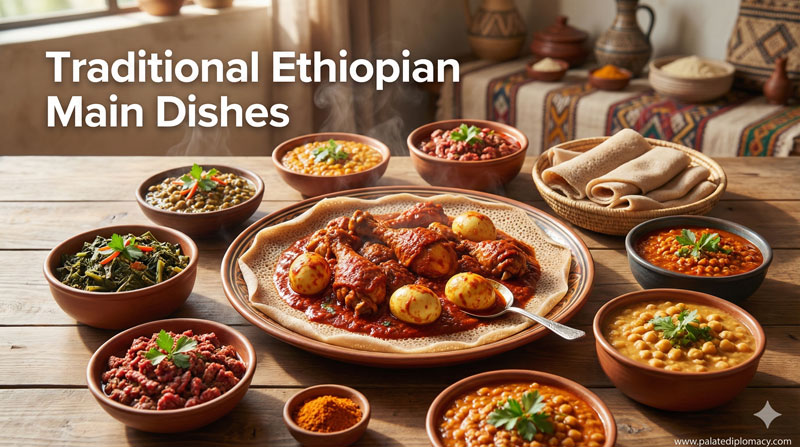
Dulet at the Center of Ethiopian Tables
Dulet sits at the heart of Ethiopian dining as a dish that invites sharing and conversation. It carries a sense of warmth, craft, and time-honored care. When a plate of dulet arrives, it signals more than a meal; it signals a moment to gather, smile, and savor. The dish embodies a quiet beauty: the way chopped offal turns into a cohesive, fragrant centerpiece, the way spices mingle with onion sweetness, and the way injera beneath it soaks up every rich bite. In its presence, family and friends lean in closer, ready to listen to stories as they eat.
What Dulet Is: Ingredients and Preparation
Dulet is a finely chopped, savory medley of meat offal—often liver, heart, and sometimes tripe or kidney—combined with onions, peppers, and a respectful amount of fat. The meat is seasoned with bold spices, such as berbere or mitmita, plus a touch of niter kibbeh, giving it a warm, aromatic glow. The dish earns its character through careful sautéing: onions soften first, then the chopped offal is added and cooked until tender and glossy. The result is a texture that is tender yet lively, with bursts of spice and a hint of smokiness. Cooks often finish dulet with a squeeze of lemon or a dash of fresh herbs to brighten the finish. Served with injera, it becomes a vivid canvas on which flavors and textures play together.
The Rise to Popularity: From Neighborhood Eateries to Festive Tables
Dulet rose from humble beginnings in neighborhood kitchens and busy stalls to broader recognition on festive tables. Its popularity grew as people appreciated nose-to-tail cooking and the way offal can shine when prepared with care. In daily life, dulet appears as a comforting option for lunchtime gatherings and family meals, offering a robust taste that pairs beautifully with the tang of injera. In celebrations and community meals, the dish is cherished for its generosity—one plate often shared by many hands, with each bite echoing hospitality and mutual respect. Through these everyday moments, dulet found a steady rhythm in the rhythm of Ethiopian life.
Cultural Value: A Dish of Inclusion and Craft
Dulet embodies cultural values that honor craft, community, and mindful use of ingredients. It invites cooks to honor every part of the animal with respect and skill, transforming humble components into something celebrated. The preparation culture around dulet teaches patience and attention: the way onions are caramelized, the way spices bloom, the care taken to avoid overcooking delicate offal. Sharing a plate of dulet reinforces a sense of belonging, as friends and relatives gather around injera and offer praise for the aroma and depth of flavor. In this way, dulet becomes more than a dish; it is a ritual of togetherness.
Culinary Significance: Texture, Aroma, and Flavor Harmony
The culinary magic of dulet lies in its harmony of textures and flavors. The chopped offal provides a savory, meaty backbone, while the onions add sweetness and balance. Spices bring warmth and a subtle bite, and a touch of fat carries the aroma through the air, inviting anticipation. When the dish is plated with injera, each bite carries a gentle acidity from the bread and a soft, chewy contrast from the flatbread. The result is a comforting, multi-layered experience: hearty yet bright, bold yet approachable. Dulet also serves as a versatile platform for regional spice preferences and family tweaks.
Regional Variations and Personal Touches
Across regions and households, small differences shape the character of dulet. Some cooks lean toward a sharper heat with mitmita, while others favor a milder touch and more onion sweetness. The balance of salt, citrus, and fat can shift with local ingredients, giving each version its own signature. You may find dulet cooked with different ratios of liver to other offal, or finished with fresh herbs like parsley or cilantro for a crisp herbal note. These variations reflect a living tradition: a dish that welcomes experimentation while staying true to its core as a shared, celebratory meal.
Serving, Pairings, and Daily Joys
Dulet shines when paired with injera, whose spongy texture soaks up sauce and echoes the dish’s generous spirit. A squeeze of lemon or lime can lift the flavors just enough to brighten the plate. Fresh herbs sprinkled on top add color and a subtle lift, while a side of mild salad or pitched pepper can offer contrast. In Ethiopian dining culture, dulet is also part of a broader rhythm—shared plates, lively conversation, and the gentle ritual of passing dishes from hand to hand. This social beauty enhances the culinary experience, turning a simple meal into a moment of connection.
A Living Tradition
Today, dulet remains a vivid expression of Ethiopian cuisine’s care for flavor, technique, and community. It travels through markets, homes, and eateries, carrying with it stories of cooks who practice a thoughtful, patient craft. Each plate is a nod to tradition, yet open to fresh interpretations that respect its origins. The dish invites everyone to celebrate the beauty of well-prepared offal, the artistry of spice, and the joy of sharing food that nourishes both body and bond. In this way, dulet continues to enchant the table and enrich the culture around it, inviting new generations to savor a timeless favorite.
If you’re curious about exploring dulet, seek a trusted Ethiopian kitchen or a Local stall known for balanced flavors and careful technique. Listen to the sizzle, inhale the aroma, and let the first bite reveal a story of craft, community, and the simple joy of good food.