
How Gołąbki Became a Must-Try Dish in Poland
Gołąbki, Polish stuffed cabbage rolls, are more than a dish. They carry a quiet history of kitchen warmth, family meals, and everyday celebration. In Poland, the sight of a pan of simmering gołąbki signals home: cooks gather, flavors mingle, and traditions are passed from one generation to the next. The dish invites curiosity and respect. It is approachable yet deeply rooted in local kitchens across the country. A single bite reveals layers of texture and balance, and it tells a story of care, patience, and shared meals.
Core Components: Leaves, Filling, and Harmony
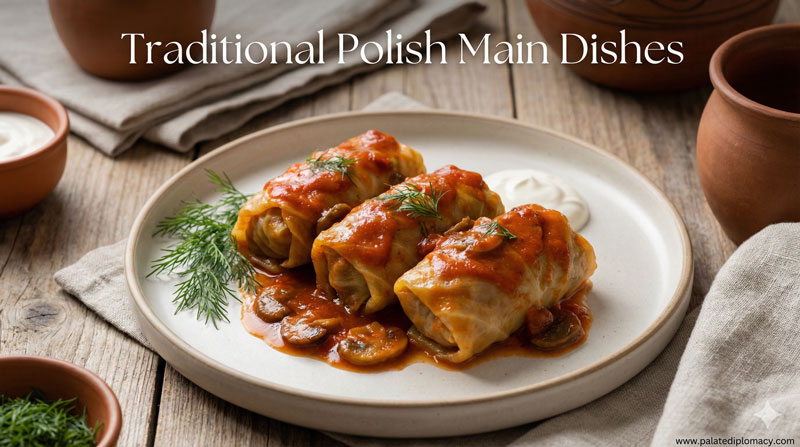
The heart of gołąbki is simple: cabbage leaves folded around a savory filling. Leaves are blanched to soften their grip, then wrapped around a mixture of ground pork or beef, rice or barley, onion, and garlic. Salt, pepper, and marjoram add fragrance. Some cooks add mushrooms for earthiness or a touch of paprika for warmth. The rolls nestle in a pan and simmer in a tomato-based sauce or a mushroom gravy. The result is a gentle pull between tender leaf and juicy filling, a harmony that shines in every bite.
Regional Flavors and Culinary Identities
Across Poland, gołąbki wear regional accents. In the countryside, tomato sauce often anchors the dish, bringing brightness to the filling. In borderlands and mountain villages, herbs like marjoram, dill, and garlic are bolder, and smoky touches appear with bacon or sausage. Some kitchens favor buckwheat or barley instead of rice, offering a nutty, heartier profile. These small twists connect a shared method to local pantry choices, making each gołąbki feel slightly personal and proudly Polish.
The Social Heart of the Gołąbki Table
Gołąbki shine in social moments. Families roll and arrange the cabbage rolls together, teaching younger cooks the rhythm of a recipe. The preparation becomes a kind of ritual that strengthens bonds, even as weeks pass between gatherings. On busy weekends and during harvest seasons, a pot of gołąbki sits in the kitchen, inviting neighbors to dip into a warm meal. The dish thus acts as a bridge between home and community, turning a simple supper into a memory.
Sensory Beauty and Culinary Significance
Texture leads the experience: the soft, silky cabbage gives way to a moist, seasoned center. The aroma carries green onion, garlic, and simmering tomato or mushroom sauce. The taste holds savory meat, gentle starch, and a hint of sweetness from onions and sauce. Pair gołąbki with mashed potatoes, rye bread, or beet salad to complete the plate. The dish is versatile enough for everyday dinners and special occasions, always inviting another bite and another conversation.
Try Gołąbki: An Invitation to Explore Polish Cookery
If you seek a window into Polish Cuisine, begin with gołąbki. Choose tender cabbage leaves, a balanced filling, and a sauce that suits your palate. Notice how the leaves cradle the filling, how the sauce clings to every layer, and how the aroma travels through the room. Making gołąbki can become a cheerful ritual, a way to honor local ingredients and shared meals. Welcome this dish into your kitchen, and let it reveal its quiet beauty.