
How Gołąbki Became a Must-Try Dish in Poland
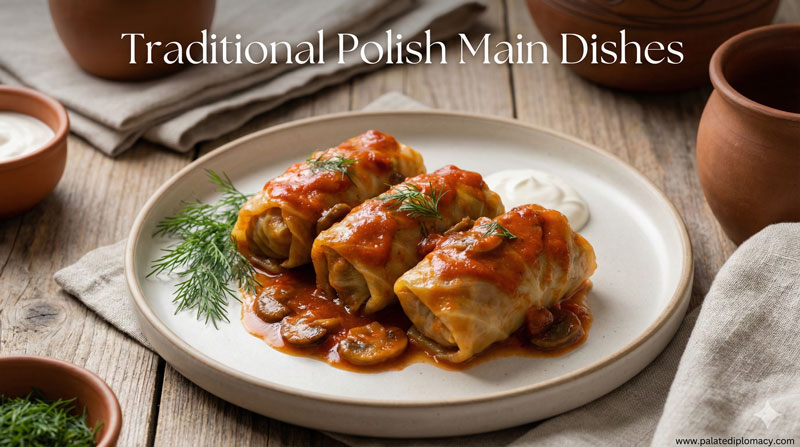
Gołąbki, or cabbage rolls, hold a special place in Polish dining. They began as a humble home kitchen staple and grew into a beloved centerpiece on many tables. This journey speaks of warmth, patience, and the joy of sharing a single dish that invites conversation and memory. Today, gołąbki are admired not only for their comforting taste but also for the quiet artistry woven into each rolled leaf.
The Heart of a Polish Table: Cabbage and Filling
The dish centers on two simple elements: cabbage leaves and a savory filling. People favor fresh or lightly pickled cabbage, which becomes tender yet still sturdy enough to cradle the filling. Inside, a mix often blends rice or groats with ground meat, onion, garlic, and herbs. The result is a balanced flavor of sweetness from the onion, earthiness from the grain, and savoriness from the meat. This harmony mirrors the Polish approach to meals: honoring regional produce while celebrating family-made technique. The sauce—typically a bright tomato base or a modest, tomato-forward bath—enrobes the rolls and carries aroma through the entire pot. The blend of textures—soft leaf, tender grain, and a tender center—creates a satisfying, multi-layered bite.
The Craft of Rolling: Technique and Flavor
Gołąbki reveal skill through the simple act of rolling. Step one is preparing the leaves so they bend without tearing. Then cooks trim the thick rib for a smooth roll. The filling is seasoned with care, balanced with herbs like marjoram, dill, and pepper. Each leaf holds a careful amount of filling, and every roll is snug but not overpacked. Finally, the rolls simmer gently, often in a tomato-based sauce, until the cabbage yields fragrance and the filling harmonizes with the sauce. This method highlights patience and rhythm: little steps done well, day after day, family after family. The technique is approachable, yet it rewards those who practice it with depth of flavor and a sense of culinary mastery.
Regional Voices: Variations Across Poland
Across Poland, communities praise unique twists that reflect local favorites. Some regions favor a meat-forward filling, others embrace a lighter version with more vegetables or mushroom-based mixtures. Buckwheat, barley, or lentils appear as pleasing alternatives for those who prefer a meatless approach. Sauces vary as well—tomato tones are common, but mushroom-enhanced or creamy tomato blends appear in many kitchens. These variations show the dish’s flexibility and its ability to adapt to seasonal produce and family preferences, while still preserving a shared love for the roll and the ritual of its presentation.
Seasonal Traditions and Everyday Elegance
Gołąbki shine in harvest and festive seasons alike. They are a testament to the Polish habit of transforming simple garden and market treasures into comforting meals. In winter, a pot of Gołąbki becomes a heartwarming centerpiece that invites friends and family to gather. The dish also fits everyday meals with equal grace: a family supper, a Sunday lunch, or a modest weeknight dinner. The ritual of washing cabbage, preparing the filling, rolling each leaf, and sharing the final plate fosters connection and calm. These moments elevate gołąbki from a recipe to a cultural practice, one that celebrates nourishment, aroma, and togetherness.
Modern Twists: Gołąbki in Today’s Kitchens
Today’s kitchens welcome gołąbki with fresh eyes. Many cooks explore plant-based fillings, using vegetables, grains, or legumes to create a vibrant, meatless version. Others pair gołąbki with lighter sauces or bake them for a different texture profile. Yet the core remains the same: careful preparation, gentle simmering, and respect for the leaves that cradle the filling. These innovations keep the dish relevant while honoring its roots. The result is a bridge between tradition and contemporary eating, inviting new cooks to discover and contribute to the dish’s living story.
How to Enjoy: Pairings and Serving Ideas
To serve gołąbki, think of balance and contrast. A plate might include mashed potatoes or simple boiled potatoes as a soft bed for the rolls. A crisp cucumber salad or beet salad adds brightness and color, while a dollop of sour cream offers a cool, creamy note. For drinks, consider a light, fruity juice or a sparkling beverage that cleanses the palate between bites. Present the rolls arranged in a shallow pan or on a warmed platter so the aromas drift across the table. A drizzle of the cooking sauce over the rolls enhances moisture and taste, making the experience inviting from first scent to final bite.
The Cultural Value: A Dish That Connects Past and Present
Gołąbki are more than a dish; they are a link between generations. Rolling and sharing the cabbage rolls invites conversation about family recipes, regional favorites, and seasonal cycles. The care given to each leaf echoes a broader Polish culinary philosophy: meals should be nourishing, comforting, and shared. The pride in a well-made gołąbki derives from the balance of technique and taste, the respect for ingredients, and the grace of presenting something soulful. In this way, gołąbki remain a must-try dish in Poland—an edible invitation to explore a nation’s love for warmth, craftsmanship, and communal meals.