
How Gołąbki Became a Must-Try Dish in Poland
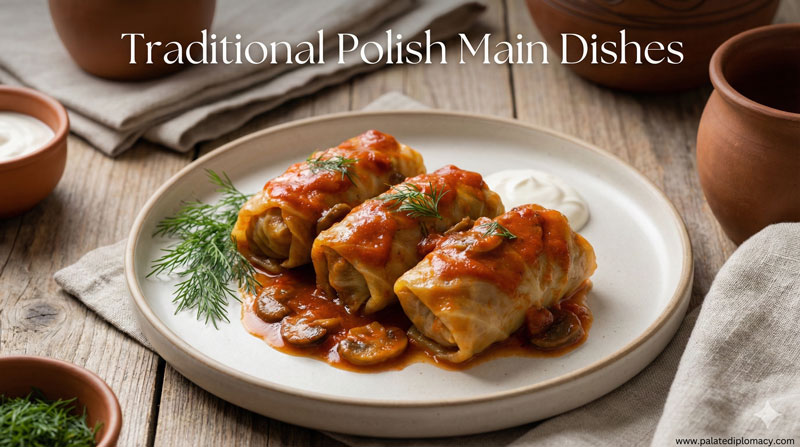
Gołąbki, or stuffed cabbage rolls, are a beloved symbol of Polish kitchen craft. They carry the warmth of home cooking and the satisfaction of a dish built with care. This post explores How Gołąbki became a must-try dish in Poland, valued for comfort, balance, and a sense of place. The Story begins with simple ingredients and a patient, cooperative method that invites everyone to contribute.
The Heart of Polish Home Cooking
Polish home cooking centers on seasonal ingredients and careful technique. Cabbage leaves cradle a simple filling, and the rolling process honors a gentle touch. The dish invites family members to share tasks, from washing leaves to preparing the filling, making it a cooperative ritual. Over generations, Gołąbki has become a quiet landmark on the Polish table.
Key Elements: Cabbage, Filling, and Sauce
Fresh cabbage provides the wrapper with a crisp edge that softens in heat. The filling blends ground pork or beef with rice or barley, onions, garlic, and herbs. A savory tomato sauce or mushroom gravy braids the flavors, adding brightness or depth depending on the family style. Each element adds texture, aroma, and a sense of seasonal abundance.
Techniques That Honor Tradition
Softening the cabbage leaves makes them pliable and easy to roll. The filling stays moist without being heavy, thanks to a careful rice-to-meat ratio. Slow simmering in a flavorful liquid allows flavors to mingle and deepen. These steps reflect a patient craft passed from one kitchen to another.
Regional Voices and Variations
In Lesser Poland, cooks may favor lighter fillings with more herbs. In other regions, sour tomato sauce adds tang, while creamier gravies appear in celebrations. Some families tuck in mushrooms, dill, or paprika for depth. These variations celebrate local gardens and family tastes, not rigid rules.
From Kitchen to Table: Rituals and Celebrations
Gołąbki often appear on Sunday menus and festive gatherings. The aroma fills the home, inviting everyone to a shared meal. When plated, a sprinkle of fresh dill or a dollop of sour cream completes the dish. These moments turn meal into memory.
Gołąbki in Modern Polish Cuisine
Chefs adapt the dish with lean meats, vegetarian fillings, or seasonal vegetables. Yet the core appeal remains: cabbage, stuffing, and a comforting sauce. The dish travels from rustic kitchens to contemporary tables, inviting new flavors while keeping its heart. This balance helps Gołąbki stay relevant in a changing culinary landscape.
How to Appreciate Gołąbki
Notice the contrast between tender leaves and a soft center. The filling offers a savory, satisfying bite with a gentle bite of rice or grain. The sauce coats each roll, tying flavors together with brightness or earthiness. Listen to the simmering, a quiet chorus of home cooking.
Conclusion
Gołąbki embodies Polish culinary heritage: simple ingredients, patient technique, and shared meals. It remains a must-try dish because it speaks of family, place, and care in every bite. By exploring its flavors, you glimpse how everyday cooking can become a cherished tradition.