
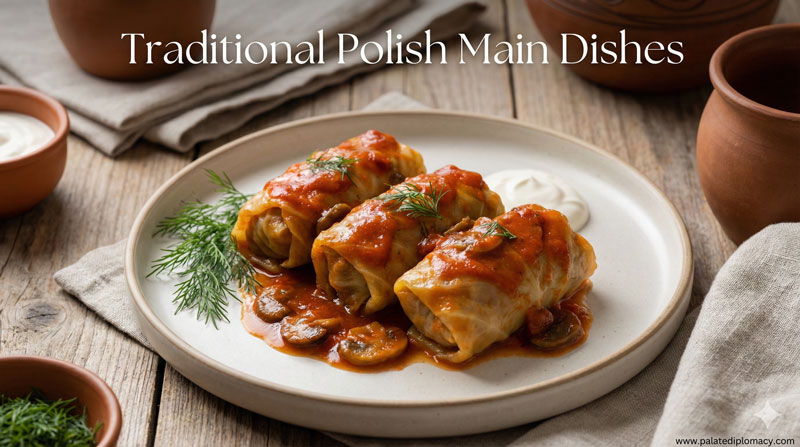
How Gołąbki Became a Must-Try Dish in Poland
Gołąbki, the beloved Polish cabbage rolls, invite curiosity and warmth in every bite. This dish sits at the heart of many kitchens, celebrated for its balance of tenderness, aroma, and comforting flavor. It traveled from family kitchens into the wider Polish dining scene, becoming a staple that many households proudly serve year-round. Its appeal lies not only in taste but also in the stories it carries from one generation to the next. When you open a pot of Gołąbki, you smell home: cabbage, simmered tomatoes, and a gentle kiss of herbs. This is more than food; it is a badge of seasonal cooking and shared meals.
A Dish Born in Polish Homes
Gołąbki grew from everyday pantry ingredients. Cabbage leaves cradle a filling of minced meat and rice, all simmered slowly until the flavors mingle. Families adapt the recipe to their tables, making it unique to each home. You will notice regional accents in the technique, the seasoning, and the sauce. Yet the core idea remains constant: roll, tuck, and simmer with care. The rhythm is simple—wash, blanch, fill, roll, and cook—and the result feels timeless. The dish teaches patience and craft, inviting cooks to slow down and savor the process.
The Craft of Gołąbki
The preparation showcases technique and balance. First, you master the cabbage: blanching loosens the leaves so they fold around the filling. Next, you craft a filling that blends meat, grain, and subtle aromatics. Roll the leaves tightly, seam side down, to keep everything neat as it cooks. Then you nest the rolls in a pot with sauce that lightly flavors each piece. Finally, you simmer gently, allowing the flavors to harmonize. The craft rewards careful hands and attentive timing. Each step reveals a respect for simple ingredients and skilled kitchen practice.
Ingredients That Tell a Story
Gołąbki highlights pantry staples that Polish cooks know well. Cabbage stands for harvest time and the crisp satisfaction of seasonal produce. Rock salt, pepper, garlic, and marjoram offer quiet warmth. The filling often combines pork or beef with rice or barley, creating a gentle, comforting texture. Tomato sauce or a mushroom-based sauce adds depth without overpowering the roll’s tenderness. Local herbs and sometimes a hint of dill bring fragrance that lingers. By tracing these ingredients, you read a culinary map of home cooking and local markets.
Shared Meals and Family Traditions
This dish shines at family gatherings and festive meals. It brings people together around a pot, where steam rises and conversations flow. The ritual of serving gołąbki strengthens bonds, turning a simple meal into a moment of connection. Children peek into the pot, learning the art of rolling cabbage and seasoning with care. Even the timing—when to start cooking, how long to let the sauce simmer—becomes part of a comforting routine. In this way, gołąbki helps preserve the sense of belonging in Polish dining culture.
Gołąbki in Modern Polish Cuisine
Today, gołąbki appears in modern Polish menus with respectful twists. Chefs honor the traditional form while exploring lighter fillings or vegetarian options. The dish travels beyond the kitchen, appearing in family-friendly eateries and home cooking blogs alike. Yet the heart remains the same: a dish that nourishes the spirit and invites conversation. Its versatility makes it a reliable way to celebrate everyday life and special occasions alike.
Where to Start: Making Your Own Gołąbki
If you are new to gołąbki, begin with the basics. Choose sturdy cabbage and a balanced filling. Blanch the leaves until they are pliable, then roll with care. Layer the rolls in a pot and cover with sauce for a gentle simmer. Taste and adjust the seasoning as you go. Serve with a light salad and crusty bread to complete the experience. With each batch, you will feel more connected to Polish cooking traditions.
The Flavor of Poland on a Busy Table
Gołąbki offers more than sustenance. It embodies patience, family, and craft. The dish invites both cooks and diners to slow down, listen to the kitchen’s quiet rhythm, and appreciate a well-made meal. Its cultural value lies in its ability to bridge generations through shared taste. That is why gołąbki remains a must-try dish in Poland—beautiful, comforting, and deeply rooted in the love of good food.