
How Jerk Chicken Became Popular Across the Caribbean
Jerk chicken stands as a bright thread in Caribbean cooking. Its bold heat, fragrant smoke, and lively aroma invite everyone to the table. The dish is more than a meal; it is a shared experience that gathers friends and families. Across islands, cooks honor the method with care, creating a sense of belonging in every bite.
First, the core flavors define the profile. A traditional marinade blends pimento (allspice) with peppers, herbs, and seasonings. Scotch bonnet peppers bring a bright, sustained heat, while thyme and scallions lift the aroma. Garlic and onion add depth, and a touch of sweetness balances the spice. This combination creates a distinctive warmth that feels both familiar and exciting. The result is a marinade that sings before the meat even meets the flame.
Next, the cooking technique seals the magic. Jerk chicken is often cooked slowly over a gentle flame, preferably with pimento wood. The smoke from the wood adds a characteristic character, and the slow process keeps the meat tender. The skin grows crisp and lacquered as the seasonings mingle with the heat. Even the most casual cook can achieve a soulful result with patience and attentive turning. The method rewards both skill and timing, turning a simple dish into a centerpiece.
Across the Caribbean, cooks adapt the recipe to local ingredients while preserving its spirit. Some kitchens rely on charcoal for a steady flame, others use gas or wood-fired pits. Still others experiment with slightly different peppers or fresh herbs. Yet the essence remains: a feast of warmth, aroma, and flavor that invites conversation and sharing. The adaptability of jerk chicken helps it become a Beloved Dish in many kitchens and on many menus.
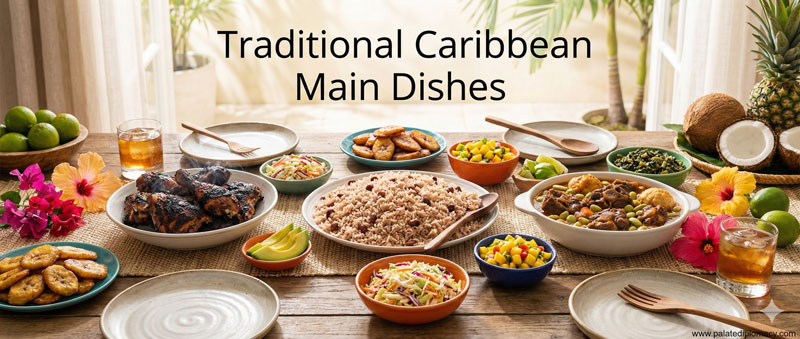
The dish also travels through markets and street stalls, where vendors offer quick, delicious versions. A plate of jerk chicken paired with rice, beans, or dumplings becomes a story told in tastes. The presentation—glazed, smoky, and vibrant—adds to the celebration. People pause, savor, and exchange recommendations about spice levels and cooking times. In this way, the dish nourishes both body and community.
Regional expression enriches the journey. Jamaica often anchors the classic profile, but nearby islands put their own stamp on the spice and smoke. In each variation, the method remains clear: marinate, grill, and deliver bold flavor with balance. This shared approach fosters a sense of culinary kinship. It shows how a simple technique can cross borders while staying true to local taste.
The cultural value of jerk chicken shines in gatherings. Families prepare it for weekend meals, seaside picnics, and festive events. Friends savor the scent as it drifts through neighborhoods. The dish becomes a catalyst for storytelling, music, and laughter. In every setting, jerk chicken marks a moment of togetherness and joy.
Modern interpretations keep the spirit alive while inviting new palate adventures. Chefs experiment with different cuts, spice intensities, and Side Dishes. They honor the traditional chip of heat and smoke while exploring fresh pairings and presentation. The result is a dynamic dish that respects its roots and welcomes new flavors. Yet the sense of warmth, community, and craft remains the same.
In the end, jerk chicken travels not just as a recipe, but as a shared practice. It embodies patience, skill, and generosity. The dish invites us to slow down, listen to the sizzle, and enjoy the moment at the table. Its popularity across the Caribbean reflects a love for hearty, flavorful food and for the social joy that food can bring.
If you seek a memorable bite, start with the fundamentals. Choose fresh spices, a good spice balance, and a steady flame. Allow time for marination and slow cooking. Then share the plate, listen to the conversations around it, and celebrate the beauty of this beloved dish. Jerk chicken remains a bright symbol of Caribbean culinary culture—authentic, inviting, and delicious.