
How Jollof Rice Became Popular in Nigerian Cuisine
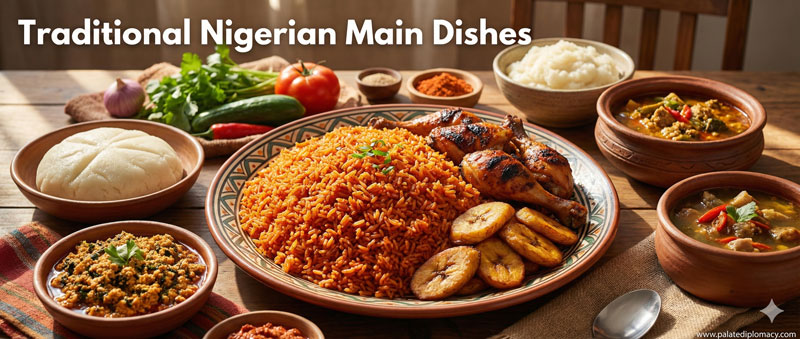
Jollof rice sits at The Heart of Nigerian tables. It speaks of warmth, welcome, and daily care. The dish is bright red from ripe tomatoes and peppers, with savory depth gained through slow cooking. In many homes, a pot of jollof signals a gathering, a meal prepared for family, neighbors, and friends. Its journey through Nigerian kitchens is woven from countless shared meals, passed-down recipes, and careful improvisations. The goal remains simple: a comforting, flavorful rice that unites flavors with family memory.
Flavor, Color, and Craft
The flavor rests on a well-spun tomato base. Onions soften in oil, peppers join in, and tomatoes simmer to release sweetness and body. Rice meets this sauce and soaks up the color. Nigerian jollof often uses long-grain rice to stay separate and light. Spices like thyme, curry, and a touch of bay leaf lift the aroma. The bright red hue comes from the tomato-pepper blend, sometimes enhanced with tomato paste. The technique matters: fry the sauce first, then add stock and rice, seal the pot, and let the grains absorb the sauce. The result is a fragrant, vibrant one-pot feast that feels inviting from the first scent.
The House and the Flame: Techniques and Traditions
Cooking jollof is a small ceremony in many homes. A wide pot on steady heat becomes a stage for aroma. You tilt the pot to listen for a gentle simmer. Stirring too often can break grains; a light touch preserves texture. Parboiled rice is common, chosen to hold its shape while soaking up flavor. Some cooks add a splash of oil at the end to gloss the grains. Others finish with fried onions, adding crunch and sweetness. The bottom layer, a softly crisp crust, is A Beloved reward for patient cooking. This texture variation adds a tactile joy to the meal.
Regional Twists, Shared Stories
Nigerian jollof adapts with taste, heat, and available ingredients. In Lagos, cooks may favor a brighter tomato-forward sauce and a lush, oily sheen. In the north, pepper heat can be bolder, and dried fish or meat might appear in the mix. Some kitchens use palm oil for color and a distinct aroma, while others opt for vegetable oil for a lighter finish. Across households, the rice choice and spice balance shift with family preferences. Yet the core remains the same: a rich, savory tomato base that embraces the rice and feeds together.
The Social Table: Hospitality in Every Spoon
Jollof is served with purpose. It marks gatherings, Sunday meals, and market-day celebrations. It invites sharing: a pot passed around, a ladle scooped for a neighbor, a story told over steam and aroma. The dish reinforces care and conversation. It welcomes guests with color, aroma, and familiar comfort. When people gather, that single pot becomes a mirror of community, showing how food can connect hearts and homes.
Plating and Pairings: The Feast In Front of You
Presentation matters. A generous heap of jollof sits with fried onions, chopped peppers, and herbs as a crown. It pairs beautifully with fried plantains, a fresh salad, or a simple bean sauce. The steam rising from the pot signals hospitality, while the fragrance invites conversation. A good jollof earns a second helping and a warm smile. The way it lands on the plate often mirrors the care taken in its making.
A Modern Take: Health, Balance, and Home Cooking
Today, cooks explore lighter oils, balanced salt, and adaptable grains. Brown rice brings a nutty bite, while vegetables add color and texture. The method remains constant: a sauce, a simmer, and an eventual absorbent finish. The result stays comforting, approachable, and adaptable to different kitchens. This openness helps the dish stay relevant while honoring its roots.
Keeping the Flame Alive: Why Jollof Matters
Jollof rice embodies Nigerian Food Culture in aroma and practice. A simple pot can gather people, memories, and a shared sense of place. Every spoon signals hospitality and care. The dish remains a bright, welcoming thread that threads through homes, markets, and celebrations. It invites curiosity, respect, and delight for the art of cooking together.