
Introduction
How Jollof Rice Became Popular in Nigerian Cuisine reveals more than a recipe. It reveals a sense of welcome, a color-filled tradition, and a culinary rhythm that moves through homes and markets with every simmer. In Nigerian kitchens, jollof rice is celebrated for its vibrant hue, its rich aroma, and the way it invites people to gather. The dish stands as a bridge between generations, a shared experience that many families refine with each passing year.
Core Elements of Nigerian Jollof Rice
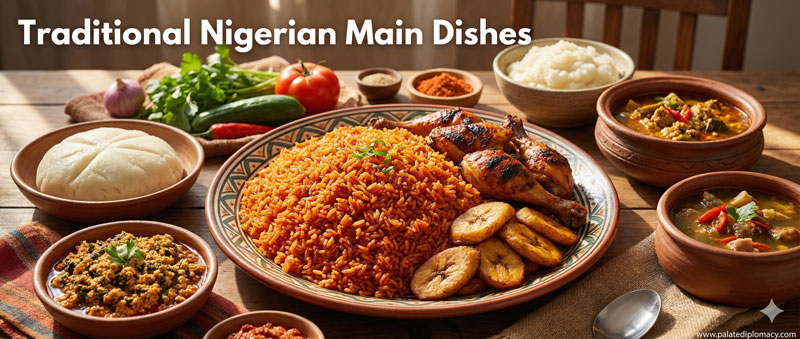
At its heart, Nigerian jollof rice blends long-grain rice with a bright, tomato-based sauce. The base is a vibrant mix of ripe tomatoes, red peppers, onions, and garlic, slowly cooked to release its natural sweetness. Ginger, thyme, and bay leaves join the mix, giving warmth and depth. Some cooks add curry for a gentle lift, others skip it for a cleaner flavor. The cooking method emphasizes a glossy, cohesive sauce that clings to each grain. The oil, often palm oil or a lighter vegetable oil, lends color and a comforting mouthfeel. Finally, proteins such as chicken, beef, or fish can be folded in or served on the side. The result is a dish with an inviting aroma, a bright color, and a satisfying balance of tomato, spice, and grain.
Cultural Fiber and Everyday Meals
Jollof rice is more than food; it is a social touchstone. It appears at Sunday meals, family gatherings, and casual dinners alike. The dish signals hospitality: a pot placed on the stove invites others to share spoons and stories. Its preparation often becomes a collaborative event, with different family members contributing—some roasting peppers, others stirring the pot, still others setting the table. This collaborative rhythm reinforces a sense of belonging and care. The color and aroma act as a cue that a popular, comforting meal is about to be enjoyed. In this way, jollof rice sustains everyday life and elevates ordinary moments into something memorable.
Regional Flavors and Techniques
Across Nigeria, cooks adapt jollof rice to local preferences, yielding a spectrum of styles. In some households, a smoky edge comes from roasting peppers or cooking over a wood fire, which deepens the sauce’s complexity. In others, cooks favor a brighter, tomatoes-forward profile with a lighter touch of oil. Some regions blend in additional ingredients like green peas or carrots for sweetness and texture, while others keep the mix lean for a purer tomato flavor. The rice itself can be prepared to stay firm and separate or to become gently soft, depending on taste and technique. These variations showcase the dish’s versatility and its ability to reflect personal and communal tastes without losing its essential identity.
Social Celebrations and Shared Tables
Markets, street corners, and church kitchens all contribute to jollof rice’s popularity. Vendors often feature it as a quick, satisfying option for hungry shoppers, while home cooks produce large pots for family gatherings. During celebrations, the dish becomes a centerpiece around which conversations flow and laughter grows. It is common to see jollof rice paired with fried plantains, a fresh salad, or a simple vegetable dish. The pairing enhances color, texture, and flavor contrast, making the meal feel festive without being elaborate. In this way, jollof rice supports both daily nourishment and special moments, always linking people through taste and sharing.
Experience, Technique, and Care
For those new to the dish, approach with curiosity and patience. First, build a balanced base of tomato and pepper sauce, allowing it to simmer to concentrate flavors. Next, layer in spices and stock, tasting as you go to keep the sauce bright without overpowering the rice. Then, add pre-washed, parboiled rice and let it absorb the sauce gently. Finally, let the pot rest briefly after cooking; this helps the grains settle and the flavors meld. The beauty of jollof rice lies in its ability to be precise and flexible at the same time. It rewards careful attention to heat, timing, and seasoning, while welcoming personal touches from cooks of every level.
A Warm Invitation to Explore and Share
If you have yet to savor jollof rice in a Nigerian setting, take a moment to explore its richness. Visit a neighborhood kitchen, a family gathering, or a community event where a pot of jollof is being shared. Observe how the aroma travels, how conversations pause for a moment, and then resume with renewed energy. Notice how the dish invites conversation about flavors, textures, and memories. By embracing the dish with curiosity and respect, you honor a culinary tradition that thrives on generosity and joy.
Whether enjoyed on a quiet weekday or during a lively celebration, jollof rice holds a special place in Nigerian cuisine. It is a celebration of color, aroma, and community. It teaches that a simple pot of rice, when seasoned with care and shared with others, can become A Beloved symbol of hospitality and togetherness. And as it travels from kitchen to kitchen, it continues to evolve—always inviting more people to taste, share, and smile.