
Introduction
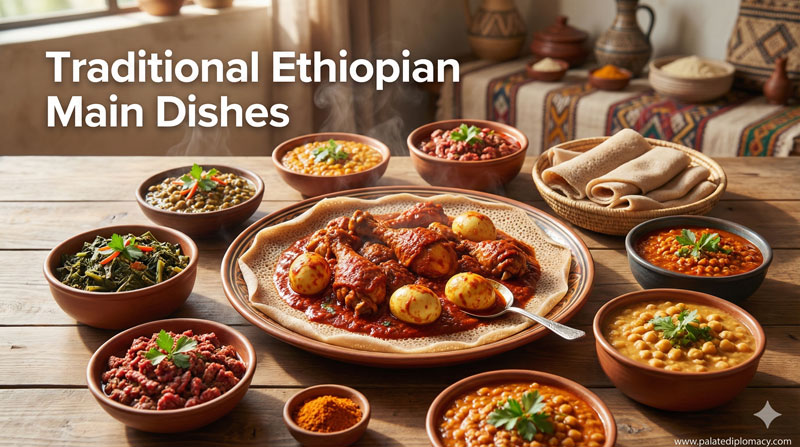
Kitfo is a beloved centerpiece in Ethiopian Cuisine. It speaks to the warmth of shared meals and the care cooks bring to every table. This post explores how kitfo grew into a popular and cherished dish, revealing its cultural value and culinary significance. You will feel the aroma of spices, the glow of clarified butter, and the joy of gathering around injera with family and friends.
Origins in Ethiopian Culinary Landscape
Kitfo belongs to a long tradition of meat dishes that celebrate quality and flavor. In central highland kitchens, skilled cooks transformed finely minced beef into a vivid, flavorful treat. The dish often features mitmita, a bold chili blend, and niter kibbeh, a fragrant clarified butter. The combination creates a bright, savory brightness that resonates with many Ethiopian palate preferences. Over time, kitfo became a standard expression of hospitality, a dish that hosts proudly serve to guests. Its popularity grows because it honors simple ingredients through precise technique and thoughtful spice balance.
The Craft and Sensory Experience
The heart of kitfo is its careful preparation. Beef is minced very finely and gently warmed with niter kibbeh. Spices like mitmita bring heat and depth, while salt and sometimes cardamom brighten the meat’s aroma. The result is a glossy, ruby-hued mix with a clean, rich scent. When served, it rests on injera or alongside ayib, a soft, tangy cheese. The textures play their part: the smooth meat, the tender bread, and the creamy cheese create a harmonious bite. This sensory blend is a big part of kitfo’s appeal, inviting diners to savor both intensity and balance in one mouthful.
Kitfo at Home: Everyday and Festive Gatherings
In daily life, families prepare kitfo with care, often as a centerpiece for meals that gather loved ones around a shared plate. On festive occasions, cooks go a step further, presenting kitfo as a symbol of generosity and skill. The dish travels from home kitchens to market stalls and small eateries, where seasoned hands keep the recipe faithful while welcoming new tastes. Whether mild or boldly spiced, kitfo invites slow, attentive eating, encouraging people to linger at the table and enjoy conversation alongside nourishment.
Social Spirit: Sharing and Food as Community
Hospitality shines through kitfo. The dish is usually laid out for everyone to share, with injera serving as both a plate and a utensil. Guests dip, scoop, and wrap portions with care. This shared approach reinforces bonds and creates memories of care and welcome. In many households, offering kitfo to visitors is a way to show respect and appreciation. The ritual of serving, sampling, and praising the dish reinforces the social fabric of food in Ethiopian culture.
Regional Variations and Contemporary Takes
Across regions, cooks adapt kitfo to local preferences while preserving core elements. Some prepare a slightly warmed version for guests who prefer less heat, while others keep the traditional raw texture that many know and love. Meat choices may vary, and homes often pair kitfo with different sides to highlight contrasts in flavor and texture. Contemporary kitchens sometimes experiment with added herbs or different spice intensities, yet the essence remains a celebration of quality meat, bold spice, and the generous spirit of sharing.
Kitfo in the Ethiopian Table: Harmony with Injera and Sides
Kitfo finds its fullest expression when paired with injera. The bread soaks up the fat and spice, balancing heat with tangy dairy or fresh vegetables. Sides like cooked greens or a mild cheese complement the dish, offering contrast and a clean palate between bites. This harmony is central to why kitfo feels both exciting and comforting: it is a dish that respects tradition while inviting personal touch. The result is a table that feels welcoming, vibrant, and deeply rooted in daily life and celebration alike.
A Cultural Narrative of Popularity
The popularity of kitfo grows from its ability to embody care, craft, and community. It showcases how Ethiopian cooks honor their ingredients through precise technique and thoughtful spice balance. The dish travels stories of home kitchens to restaurants, carrying a sense of place with every plate. In this way, kitfo is more than a dish; it is a living part of Ethiopian food culture. It invites curiosity, celebrates skill, and continues to inspire both cooks and diners to pause, savor, and share.