
Introduction
This post explores How Kluski Śląskie Became a Must-Try Dish in Poland. It invites readers to discover a humble favorite that has grown into a symbol of comfort, craft, and shared meals. Kluski Śląskie are more than dumplings; they are a thread that links family kitchens, regional pride, and everyday celebrations. The dish feels familiar and joyful. It welcomes both seasoned cooks and curious beginners. In the pages that follow, you will see how texture, technique, and stories come together to form a lasting culinary ritual.
What Are Kluski Śląskie?
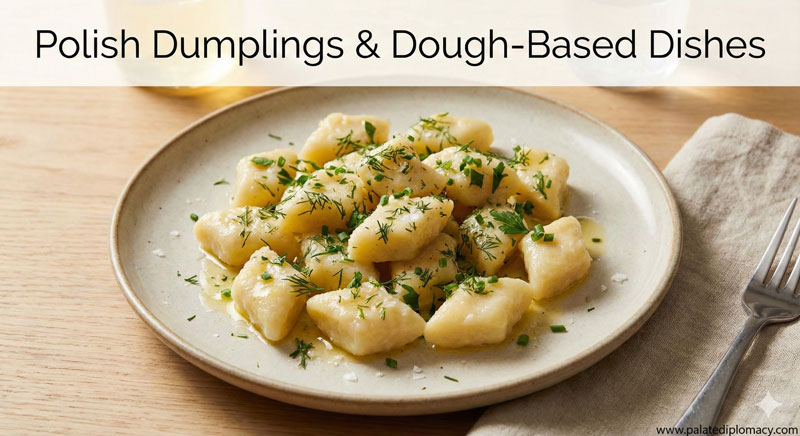
Kluski Śląskie are soft potato dumplings with a small, distinctive flourish. The dough blends mashed potatoes with a touch of potato starch or flour and a light pinch of salt. An egg may join the mix in some families, but many keep the dough egg-free for a purer potato flavor. The dumplings are shaped into small rounds with a shallow indentation in the center. This dimpling helps them nest a bit in the pan or on a plate, and it gives a pleasing visual cue when they are served. The dough is gently rolled and cut, or formed by hand, to keep the dumplings tender. The result is a pale, matte surface with a soft bite.
The preparation relies on simple ingredients, but the technique matters. Potatoes must be starchy and well cooked, not waterlogged. The starch released during mashing helps bind the dough without becoming gummy. Resting the dough briefly can improve its cohesiveness. The cooking is straightforward: simmer until the dumplings rise to the surface and then give them a moment longer to finish. The flavor remains mild, inviting sauces and roasts to shine alongside.
The Culinary Appeal
The appeal of Kluski Śląskie starts with texture. The outside is smooth and almost silky, while the inside stays light and fluffy. That contrast makes the dumplings satisfying without heaviness. They carry sauces well, soaking up gravies and mushroom sauces with a gentle kiss rather than a loud burst of flavor. The potatoes give a mild sweetness that balances rich toppings and savory meats. The dumplings’ shape creates little nooks that cradle sauce, making each bite a balanced blend of starch and savory depth.
Versatility is a key part of the appeal. They accompany classic Polish dishes like hearty gravies, roasted meats, and mushroom preparations. They also work with lighter trends, such as herb butter or a drizzle of nutty oil and herbs. The preparation remains approachable, inviting cooks to Make these dumplings a staple in weekend menus or festive meals. In short, their texture and subtle flavor harmonize with a wide range of Polish flavors and cooking styles.
Cultural Significance and Traditions
Kluski Śląskie hold a special place in Polish food culture. They are a dish that families prepare together, turning mundane moments into opportunities for care and connection. The dumplings surface in family gatherings, holiday spreads, and Sunday dinners, where everyone wants to share a plate of something comforting and familiar. The act of making them often becomes a small ceremony: potatoes are peeled and cooked, dough is mixed with quiet attention, and each dumpling is formed with care. This ritual creates memory and belonging, reinforcing a sense of home and regional identity.
Regionally, Kluski Śląskie are a source of pride. In Silesia and neighboring areas, cooks have refined the technique across generations. Subtle differences appear in the dough’s texture, the thickness of the dumplings, and the exact balance of potato to flour. These variations celebrate local harvests and family tastes, yet the core idea remains the same: a simple, comforting dumpling that carries a sense of place. When shared with friends and neighbors, the dish becomes a bridge between generations and a quiet celebration of daily life.
Making Kluski Śląskie at Home
If you want to bring this dish into your kitchen, start with good ingredients and calm preparation. First, boil starchy potatoes until tender, then mash them while they are hot. Let the mash cool slightly, and mix in potato starch or a light flour with a pinch of salt. If you prefer, add a small beaten egg for a bit more structure. Mix until a smooth, cohesive dough forms. Avoid overworking, which can make the dumplings dense.
Next, roll portions of dough into snakes and cut into even coins, or shape each coin by hand and press a shallow impression in the center. Keep a light dusting of flour on your board and hands to prevent sticking. Bring a large pot of salted water to a gentle boil. Slide the dumplings in, stirring once to prevent sticking. They are ready when they float to the surface; give them another minute or two to finish cooking. Remove with a slotted spoon, then serve immediately with your chosen sauce.
Tips for best results: keep the potato dough cool as you work, use just enough starch to bind, and handle gently for a tender bite. If the dough feels sticky, dust lightly with flour and rest it for a few minutes. Freshly prepared dumplings pair well with hot sauces, melted butter with breadcrumbs, or a mushroom gravy. The simplicity of the ingredients invites thoughtful execution and careful timing.
Serving Ideas and Pairings
Kluski Śląskie shine when paired with robust sauces and textures. A mushroom sauce brings an earthy depth that complements the potato base. A rich meat gravy, especially from pork or beef, creates a comforting plate with generous contrasts. A simple browned butter with toasted breadcrumbs adds a nutty crunch that highlights the dumplings’ delicate interior. For a lighter option, serve them with a brush of herb oil and a sprinkle of fresh chives or parsley.
In Polish home cooking, these dumplings often appear as part of a larger plate. They accompany a slice of roasted meat, a vegetable medley, or a clear broth starter. They can also balance a hearty stew, providing softness that soothes the palate. The dish invites a shared rhythm: portions are plated, stories are told, and the table gathers in warmth.
Regional Variations and Modern Twists
Across Poland, cooks adapt Kluski Śląskie to their pantry and preferences. Some favor a dough with a bit more starch for a firmer bite, while others opt for a softer, creamier texture with a touch of milk or additional egg. The indentation can be deeper or lighter, depending on the cook’s technique and the intended sauce. Modern twists include experimenting with herbs, garlic, or pepper in the dough, always balanced to keep the potato character forward.
Even as trends evolve, the essence remains intact: a small potato dumpling that carries memory, craft, and the joy of sharing. These variations show how a Traditional Dish can stay alive by inviting experimentation while honoring its roots. The result is a dynamic, welcoming food culture that respects tradition and welcomes new flavors.
Preservation of Craft, Community, and Craftsmanship
Kluski Śląskie embody more than taste. They represent a craft that is passed down in kitchens, through hands that press the indent, roll the dough, and trust the simmer. Sharing the making process—whether with a grandparent, a parent, or a friend—keeps the practice vibrant. The dish thus becomes a small emblem of care and continuity, a reminder that good food often begins with simple, good ingredients and patient workmanship.
Conclusion
How Kluski Śląskie Became a Must-Try Dish in Poland is a story of texture, tradition, and togetherness. The dumplings offer comfort, but they also invite curiosity: how does a simple potato dough become a centerpiece on a table? The answer lies in the warmth of home kitchens, the pride of regional cooks, and the generosity of sharing a plate. When you taste Kluski Śląskie, you taste a tradition that welcomes everyone to the table with a gentle, enduring smile.