
How Nordic Hot Dogs Became Popular in Nordic Cuisine
A simple sausage in a soft bun has found a special place in Nordic cuisine. It stands as a warm, dependable presence in daily meals and celebrations alike. The dish embodies speed without sacrificing flavor, and it welcomes cooks of every level to create something distinctive. This post explores the cultural value and culinary significance of the Nordic hot dog, a humble dish that grows richer the more it is shared. You will see how a straightforward bite becomes a small ceremony of taste, texture, and togetherness. The Story is about delight, craft, and the way food can mirror a community’s cheerful, practical spirit.
A Simple Beginning: Street Corners and Markets
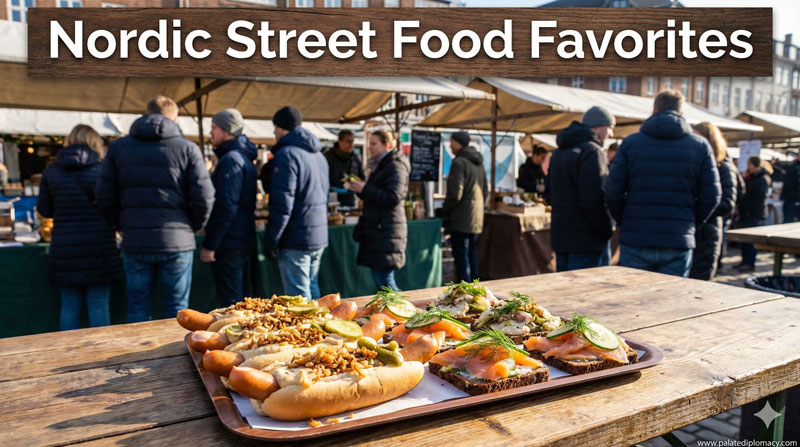
The tale begins on busy streets, in corner markets, and at neighborhood fairs. Vendors heat sausages over open flames and offer warm buns with care. The setup is efficient, yet inviting. Regulars know the ritual: grill, bun, sauce, and toppings arranged with a patient smile. Shoppers pause to chat, then move along with a satisfying sense of nourishment. This accessibility matters. The hot dog becomes a portable mood-lifter, easy to share with friends after work or during a park stroll. In quick, friendly moments, a street-side snack grows into a beloved staple of home life and local gatherings.
Crafting the Core: Sausage, Bun, and Sauces
Three parts define the dish’s essence: the sausage, the bun, and the supporting sauces. A well-made sausage carries a balance of meat, fat, and seasoning that shines when grilled. It should be juicy, with a clean snap and a subtle, comforting flavor. The bun is light and airy, warmed just enough to hold its shape without becoming soggy. Sauces bring brightness and balance. A creamy remoulade, a sharp mustard, and a gentle onion topping create contrast and texture. Some cooks add pickles or a tangy relish to brighten each bite. The method matters too: grilling over steady heat seals juices, then a brief rest keeps the inside succulent as the toppings come together.
The Art of Toppings: A Nordic Palette
Toppings tell a story of regional tastes and seasonal produce. Remoulade adds creaminess and a hint of tang, while crispy onions provide sweetness and crunch. Mustard offers a clean snap that cleanses the palate between bites. Pickles and fresh herbs can lift the savory notes with brightness. In some kitchens, a touch of curry sauce or a drizzle of ketchup finds favor for familiar warmth. The toppings are adaptable, inviting personal flair while honoring tradition. The result is a small, vibrant plate of color and texture, inviting the senses to slow down and savor the moment.
Social Rhythm: Eating Together
Eating Nordic hot dogs often becomes a social act. Families bring them to weekend markets, parks, and sports events. Friends share a quick dinner after practice, trading stories as the grill hums in the background. The dish supports a sense of belonging, a simple ritual where conversation and comfort mingle with flavor. Because the preparation is approachable, it invites participation from all ages and skill levels. The hot dog turns a meal into a social event, where kindness and good taste travel together along the same route.
Seasonal Flavors and Friluftsliv
Seasonal freedom shapes the dish as well. In warm months, outdoor grills glow and neighbors gather for casual suppers under open skies. The aroma drifts through streets, inviting passersby to linger. In cooler seasons, markets and cozy cafés keep the tradition alive, with warm buns and steaming sauces offering comfort. This rhythm of outdoor life, known as friluftsliv in Nordic culture, gives the hot dog a timeless role: a versatile, comforting food that suits both sunlit afternoons and friendly evenings indoors.
A Living Tradition: Significance in Nordic Cuisine
Today, Nordic hot dogs stand as a signal of everyday craft and shared joy. They celebrate the beauty of simple ingredients treated with care. The dish weaves together farmers, bakers, vendors, and diners, highlighting how a straightforward bite can connect people through flavor and memory. It invites experimentation—different sausages, buns, and toppings can create new favorites—while honoring time-honored conventions. In essence, this is a dish of accessibility and warmth, inviting all to participate in a delicious, communal practice that respects both tradition and personal taste.