
Introduction
Meatballs have a quiet grace in Nordic cooking. They travel from cozy kitchens to welcoming tables, carrying a story of care and craft. This dish shines with warmth, texture, and balance. In Nordic bowls, meatballs speak to everyday meals as well as special occasions. They grew in popularity not as a bold gesture but through patient technique and generous hospitality. The journey brings together simple ingredients—ground meat, bread or breadcrumbs, milk, and a few spices—into a comforting, versatile dish. In this post, we explore how meatballs became a cherished part of Nordic cuisine, celebrating their cultural value and culinary significance.
Cultural Value in Nordic Cuisine
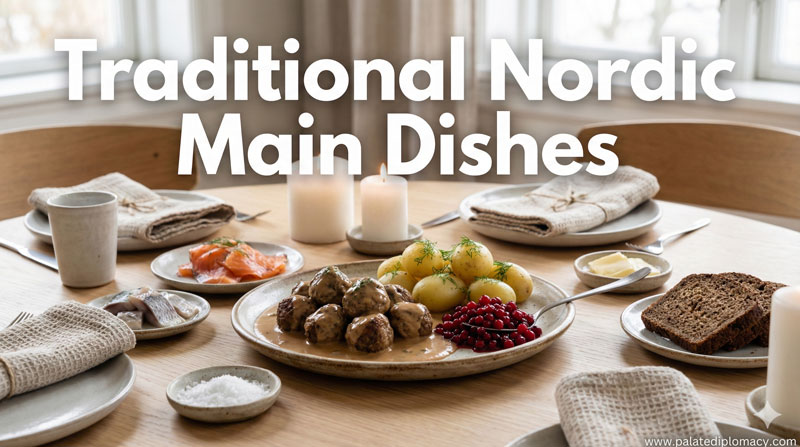
In Nordic households, meatballs symbolize togetherness. Families prepare them with care, often as a shared activity, passing recipes from generation to generation. The ritual of soaking bread, mixing with milk, and shaping small spheres invites patience and skill. The finished dish is a bridge between everyday life and special moments, a meal that welcomes guests and nourishes conversation. Pairings matter as much as the meat. A spoonful of creamy gravy, a dab of lingonberry jam, and a side of potatoes create a balanced plate that feels complete and comforting. This harmony reflects the Nordic emphasis on warmth, restraint, and attentiveness at the table. Meatballs thus stand as a quiet, enduring symbol of hospitality and care.
Culinary Significance: Technique and Flavor
The culinary Heart of Nordic meatballs lies in technique and restraint. Cooks select a blend of pork and beef, or use lamb in some regions, and grind the meat to a fine yet lively texture. Soaking breadcrumbs in milk helps bind the mixture softly, creating a tender bite. Salt, white pepper, and a pinch of nutmeg or allspice provide subtle warmth without overpowering the meat. The shaping is gentle, avoiding gaps that would toughen the texture. A quick sear adds color and aroma, followed by gentle simmering in a light cream gravy. Lingonberry preserves offer a bright, tangy counterpoint. This balance—meat, dairy, fruit, and starch—defines the dish’s culinary signature and its place in Nordic cooking.
Regional Variations Across Nordic Countries
Across Sweden, Norway, Denmark, Finland, and Iceland, meatballs take local shapes and flavors while sharing a common spirit. In Sweden, köttbullar often arrive at the table with creamy gravy, mashed potatoes, and lingonberries, presenting a comforting, almost ceremonial plate. Danish frikadeller tend to be larger and slightly crisper, sometimes served with potatoes and pickled cucumber for a bright contrast. Norwegian versions emphasize a tender crumb and a lighter gravy, pairing well with boiled potatoes and root vegetables. Finnish lihapullat carry a touch of marjoram and are enjoyed with mashed potatoes or rice and berry flavors. Icelandic practices may feature lamb or mixed meat, with simple garnishes that honor the season. Each variation honors local ingredients while keeping the core technique intact, illustrating how a single dish can translate across climates and tastes.
Pairings and Serving Traditions
The serving tradition centers on balance. Potatoes—mashed, boiled, or roasted—form a sturdy foundation. Creamy gravy adds richness, while a spoonful of lingonberry jam or a berry-based sauce provides a bright note. Vegetables like cucumber pickles, beets, or lightly steamed greens offer color and crunch. Some households finish the plate with chopped fresh herbs for a final lift. The dish often appears as a comforting weeknight meal, a shareable centerpiece for family gatherings, or a gentle highlight at a holiday table. These pairings honor the season and the local pantry, reinforcing the dish’s status as both daily sustenance and warm hospitality.
Seasonal Rhythm and Everyday Rhythm
Nordic meatballs fit the seasonal rhythm with grace. In darker months, their creamy gravy and heartiness feel particularly inviting. In brighter seasons, cooks may lighten portions or pair meatballs with fresh herbs and lighter vegetables. The dish travels well between casual dinners and more formal meals, maintaining its role as a reliable, adaptable favorite. This flexibility helps it stay relevant across generations, inviting new cooks to learn traditional techniques while allowing modern tweaks. In every season, meatballs remain a comforting constant, a link between past instincts and current tastes.
Modern Interpretations and Culinary Creativity
Today, cooks honor tradition while inviting imagination. Home cooks adapt by using different meat blends or adding finely chopped onions and herbs for depth. Some chefs experiment with alternative textures, such as coarser grinding or a crisp outer crust, to highlight contrast. Plant-based versions mirror the same spirit, using mushrooms, lentils, or textured vegetable protein to recreate the familiar bite and pairing with the same creamy gravy and berry accent. Local ingredients inspire fresh ideas, yet the dish preserves its essence: tender meat, balanced seasoning, and a welcoming plate that invites sharing and conversation. This blend of respect for tradition and openness to taste evolution keeps the dish vibrant.
Conclusion
Meatballs occupy a valued place in Nordic cuisine, celebrated for both cultural significance and culinary craft. They embody hospitality, careful technique, and a balanced palate that respects local ingredients. The dish brings warmth to everyday meals and grace to festive tables, linking generations through shared preparation and enjoyment. In Nordic kitchens, meatballs remind us that good food can be simple, sensibly prepared, and warmly inviting. As we savor their texture and flavor, we also celebrate the quiet beauty of a dish that travels well from family practice to community meals, enriching the Food Culture with every plate.