
Introduction
“How Meatballs Became Popular in Nordic Cuisine” invites us into a story of warmth, craft, and shared meals. In Nordic kitchens, meatballs appear as a simple mix that becomes a Beloved Dish. They are more than a meal; they mark gatherings, family time, and everyday hospitality. The recipe centers on accessible ingredients: ground meat, milk, breadcrumbs, onion, egg, and a touch of spice. Across Sweden, Norway, Denmark, Finland, and Iceland, cooks adapt the blend to local tastes, yet the core idea remains clear: small, tender spheres that comfort the senses and honor the land that feeds them. This post celebrates the cultural value and culinary significance of meatballs, and it explores how this dish rose to a cherished place in Nordic cuisine.
The Core of Nordic Meatballs
The base is humble and precise. Ground meat meets breadcrumbs soaked in milk, finely chopped onion, eggs, and a pinch of salt. The binding creates tenderness, while a short rest lets flavors mingle. Cooks shape the mix into small spheres, then brown them gently in a hot pan before finishing in sauce or broth. The technique balances savor and lightness, giving a soft interior and a lightly crisp exterior. The result is a dish that feels both practical and elegant, suitable for a quick weekday dinner or a comforting centerpiece on a festive table.
Texture and Technique: Crafting Tender Spheres
Texture matters as much as taste. Soaking breadcrumbs in milk lightens the crumb, while a careful hand preserves shape without squeezing out moisture. Resting the mixture for a brief moment helps the ingredients harmonize. Browning adds depth of color and aroma, and a gentle simmer in sauce or gravy keeps the meat juicy. The technique is approachable, yet it rewards patience. The payoff is meatballs that hold their form, release sweetness from the onion, and offer a subtle chew that invites a slow, satisfying bite.
Regional Variations Across Nordic Kitchens
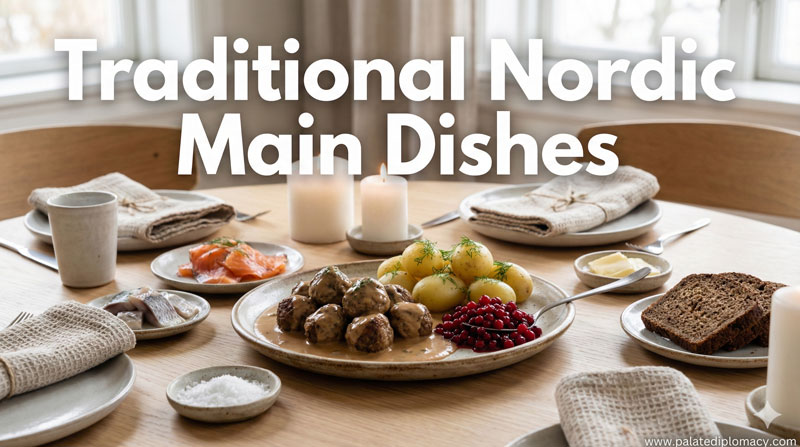
Across the Nordic nations, cooks give meatballs their own voice. In Sweden, köttbullar often blend pork and beef, with a whisper of allspice or white pepper, then rest in a creamy sauce that mingles with potatoes and lingonberries. In Denmark, frikadeller are typically lighter, with a bright onion kick and a crisper finish. Norwegian kjøttkaker lean toward a heartier presentation, usually served with potatoes and a brown gravy, echoing a homestyle, comforting mood. Finland presents lihapullat in a similar spirit, frequently pairing them with mashed potatoes and tart lingonberry vibes. Icelanders also enjoy meatballs, adapting flavors to local tastes and seasonal ingredients. Each version honors the same idea—small, flavorful spheres—but celebrates regional textures, spice notes, and accompaniments that echo local harvests and traditions.
Sauces, Sides, and the Harmony of a Meal
Meatballs shine when paired with the right companions. A silky cream gravy, often enriched with a touch of milk or cream, amplifies the meat’s tenderness. Lingonberry jam offers a bright, tart counterpoint that cuts through richness and adds color to the plate. Potatoes—whether boiled, mashed, or roasted—provide comforting heft, while pickled cucumbers or beets introduce a crisp contrast. The balance among meat, sauce, berries, and starch creates a meal that feels wholesome and complete. This harmony is a cornerstone of Nordic dining, where simple ingredients meet careful technique to produce a dish with quiet elegance and lasting appeal.
Social Roles: Food as Hospitality and Shared Comfort
Meatballs occupy a trusting place in Nordic homes. They appear in everyday meals that feed families and friends, and they surface on holiday tables as a sign of hospitality. The dish invites conversation, laughter, and connection as people gather around a warm plate. The aroma wafting from a skillet signals welcome and care. In this way, meatballs function as a cultural thread, linking generations through recipe memory and the joy of sharing food that is both modest and deeply satisfying. The dish embodies a spirit of warmth, generosity, and place—an edible expression of Nordic values around home, season, and togetherness.
Modern Twists and Fresh Perspectives
Today, chefs and home cooks explore gentle twists that respect tradition while embracing new ideas. Plant-based or blended fillings offer thoughtful alternatives without losing the familiar shape and comfort. Some kitchens experiment with different herbs, subtle spice notes, or regional greens to brighten the classic profile. Yet the core remains: a small meatball that invites slow cooking, careful seasoning, and generous sauces. These evolutions keep the dish vibrant, making it accessible to new cooks and appealing to diverse palates while preserving its cultural heart.
Closing Thoughts
From the family stove to the pages of regional menus, meatballs have earned a special spot in Nordic cuisine. Their appeal lies in balance: modest ingredients, thoughtful technique, and a presentation that invites sharing. The dish celebrates the beauty of everyday cooking and the joy of bringing people together around a plate that feels familiar yet refined. In Nordic kitchens, meatballs are more than sustenance; they are a warm invitation to pause, savor, and connect with others through the simple, delicious act of eating together.