
Introduction
Zrazy is a beloved dish in Polish kitchens, a fragrant symbol of care, craft, and togetherness. In many Polish households, these rolled meat crepes carry stories that travel from grandmother’s hands to the next generation. The act of preparing zrazy becomes a warm ritual, where language, laughter, and taste mingle. This dish is not only about savoring a flavorful bite; it is about savoring a moment in which family, memory, and skill meet at the table.
A Window Into Polish Family Life
In Polish family life, food often serves as a gentle thread that ties past and present. Zrazy embodies that thread. The family member who rolls the meat becomes a keeper of technique, while the youngest cooks learn to observe texture, balance, and timing. Each wrap of meat around a filling reflects patience and care. In this way, zrazy teaches attention to detail, pride in workmanship, and the joy of sharing a result that tastes of home. The dish invites conversation, as tales of how a grandmother prepared the same dish echo across generations. It is a family tradition that welcomes guests with warmth and a sense of belonging.
The Dish and Its Craft
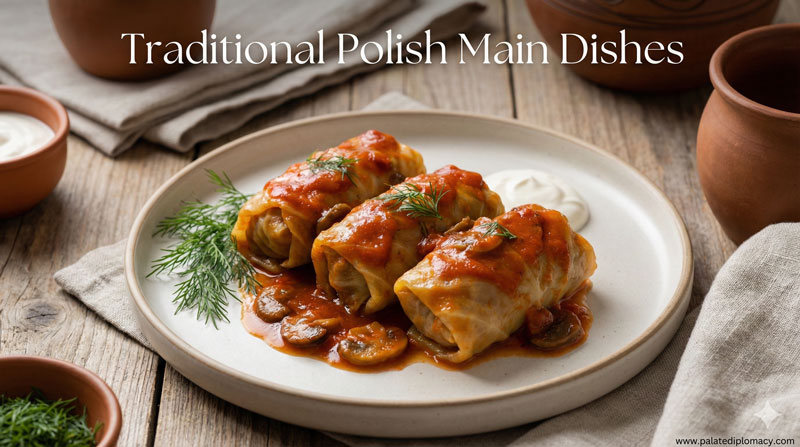
Zrazy begins with simple, sturdy ingredients—thin slices of beef or sometimes pork—carefully pounded to a tender, pliable level. The core of the dish is the filling. Many families favor a savory blend of mushrooms, onions, and sometimes a touch of bacon or smoked meat for depth. Cooled sautéed mushrooms meet onions in a fragrant mixture, while a few breadcrumbs help bind the stuffing. A pickle or a fragment of egg can appear, adding brightness or texture. The filled slices are rolled, tied or secured, seared to hold their shape, and then simmered in a gentle gravy. The result is a tender, savory roulade that carries the flavors of the filling in every bite. Zrazy marry technique with tenderness: a careful roll, a mindful browning, a slow braise. The aroma alone signals a meal prepared with care.
Regional Variations and Techniques
Across Poland, families add their own regional touches. Some regions favor a richer meat-to-filling ratio, while others emphasize a lighter approach with more vegetables. Fillings vary from mushroom-forward blends to combinations with grated hard-boiled egg, minced meat, or bits of pickle for brightness. Sauces differ too: some serve zrazy with a clear gravy, others with a sour cream-based sauce or a mushroom gravy. The choice of herbs—dill, parsley, or chives—gives a final lift to the dish. Even the size of the roulade changes with family preference: some prefer compact, bite-sized pieces; others favor larger slices to showcase a generous center. These variations celebrate locality, family history, and the everyday joy of cooking together.
Serving Traditions and Family Meals
A traditional table often gathers with zrazy at the center. The dish pairs beautifully with simple, rustic sides: boiled potatoes or mashed potatoes, braised cabbage, or a crisp beet relish. A side of pickles adds a bright counterpoint to the richness of the meat. Fresh bread on the table, butter or a dollop of sour cream for dipping, and a light salad complete the meal. For many families, zrazy is the dish that appears on Sunday lunches or during festive gatherings, where the goal is to share a comforting, satisfying plate and to listen to each other’s news. The serving style helps emphasize hospitality: a warm platter presented to the table invites all to reach for a slice, to smile, and to say a quiet “thank you” for the care that went into its making.
Seasonal and Celebration Moments
Seasonal menus often shape when zrazy appears. In late autumn and winter, richer fillings and slower braises feel especially comforting as the days grow cooler. In spring, lighter tweaks emerge, with more herbs and fresh mushrooms in the filling. Zrazy also makes an appearance during family celebrations or holiday meals when several generations gather. In these moments, the dish serves as a thread between ages, a familiar flavor that anchors stories and shared laughter. The presence of zrazy on the table signals a moment of connection, a pause to celebrate the art of home cooking and to honor the patience required to craft something truly comforting.
Pairings and Flavor for Mastery
To appreciate zrazy fully, one can consider its natural partners. A modest gravy or a light mushroom sauce completes the dish without overpowering it. Fresh dill or flat-leaf parsley sprinkled just before serving adds a bright note. A dollop of sour cream or a touch of yogurt can enrich the sauce and create a silkier texture. The plate shines with simple, rustic elements: potatoes that are fluffy on the inside and lightly crisp on the outside, a tangy beet relish for color and balance, and a crisp cucumber salad to refresh the palate. These pairings highlight the dish’s balance of meat and filling, soft textures and savory depth, and the overall harmony that Polish home cooking emphasizes.
The Beauty of Shared Recipes
What makes zrazy truly enduring is how it travels through conversations, hands, and homes. A grandmother’s note on a recipe card, a whispered suggestion for a new filling, or a playful adaptation by a young cook all contribute to a living tradition. The beauty lies in adaptability—families keep the core idea of rolled meat and savory stuffing, while allowing personal touches that reflect taste, season, and family memory. This evolving tapestry of notes and techniques ensures that zrazy remains a vibrant, living art rather than a static dish. Each generation leaves a trace of flavor that invites the next to discover, taste, and contribute.
Conclusion
Zrazy stands as a warm tribute to Polish culinary culture. It embodies patience, skill, and affection, carried from one generation to the next through the shared act of cooking and eating together. The dish’s beauty lies not only in its comforting flavors but also in its role as a gateway to conversation, memory, and belonging. When a family gathers around zrazy, the table becomes a stage for storytelling, celebration, and a quiet gratitude for the craft that makes a home feel timeless. In Polish kitchens, zrazy remains a savory invitation to slow down, listen, and savor the harmony of tradition and taste.