
A Complete Guide to Enjoying Pyzy Like a Local
Welcome to a warm exploration of Pyzy. This dish sits at the heart of Polish home cooking. It carries comfort, craft, and community in every bite. Read on to discover why Pyzy matters, how they shine in Polish Cuisine, and how to savor them like someone who grew up with them.
What Are Pyzy?
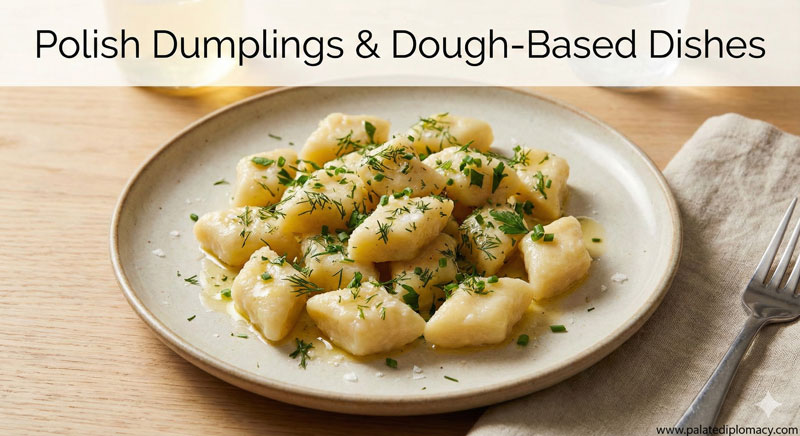
Pyzy are hearty potato dumplings. They come in two familiar forms: with filling and plain. The dough blends mashed potatoes with a touch of flour and sometimes egg. Some regions prefer a dough made with cooked potatoes, while others use a mix of raw potato and flour. The result is a soft, substantial bite that holds flavor well. Many Pyzy are served with a savory topping, such as fried onions and a dollop of sour cream, or with a rich gravy. When meat fills the center, the dumplings become a complete, satisfying main course. When served plain, they shine with a bright sauce or butter and herbs. The balance between potato sweetness and savory toppings defines their character.
The Cultural Value of Pyzy
Pyzy are more than food; they are a thread through family life. They appear in kitchens, markets, and warm Sunday meals. Making Pyzy is often a shared ritual, with generations passing down methods, tips, and stories. The dish invites conversation about how a family likes its dumplings—larger or smaller, with a meat filling or simple potato. Pyzy also mark seasonal cooking, gatherings, and celebrations in many homes. This communal spirit makes the dish feel familiar, welcoming, and enduring. Taste becomes a memory of home, and cooking becomes a way to connect with loved ones, even when days are busy.
Regional Varieties
Polish cuisine carries a rich map of regional styles, and Pyzy reflect that diversity. In some areas, Pyzy are large and round, with a light, airy center. In others, the dumplings are a touch denser and heartier. Fillings vary, from seasoned ground meat to mushroom and onion blends. Sauces range from sour cream and chives to mushroom gravy or a simple butter-bread crumb finish. The way Pyzy are served—alone, with sauce, or with fried onions—is a signpost of local taste. Exploring these variations reveals how many kitchens honor the same idea: potato dumplings that comfort and nourish, made distinct by region and family tradition.
The Craft Behind Pyzy
The craft of Pyzy lies in balance and patience. Choosing potatoes matters: starchy varieties yield a fluffy interior, while waxy ones keep shape. The dough comes together with gentle mixing to avoid a tough bite. Shaping is straightforward but precise: each dumpling should be evenly sized for even cooking. Boiling completes the process, with a careful rise to the surface signaling readiness. The finishing flourish—onions sautéed in butter until golden, a spoon of sour cream, or a savory gravy—breathes life into the dish. The result is a dumpling that is soft and satisfying, yet resilient enough to hold its filling when present.
How to Enjoy Pyzy Like a Local
- Start with intention. Choose Pyzy that look fresh and well-made. Local markets and family-run eateries often offer a version with a crisp, welcoming aroma.
- Decide on a serving style. If your Pyzy are filled, cut into one to reveal the center. If they’re plain, drizzle sauce generously.
- Embrace the toppings. Fried onions add sweetness and crunch; sour cream smooths richness; a mushroom or beef gravy provides depth. A small pat of butter can melt into the warm dumpling for extra gloss and flavor.
- Enjoy the texture. Bite through the soft potato exterior, savor the contrast with a tender filling, and relish the way the sauce coats each dumpling.
- Pair thoughtfully. A crisp pickle or lightly dressed greens refreshes the palate between bites. For a comforting pairing, try a simple herbal tea or a light beer that won’t overpower the potato notes.
- Savor with friends or family. Pyzy shine when shared. Slow, mindful tasting makes the eating experience feel communal and warm.
Pyzy in Markets and Eateries
In Poland, Pyzy appear in homes and in markets-wide stalls. In family-run restaurants, they often come with a signature sauce or a family recipe for onion-topped butter. Markets may offer fresh dumplings with daily fillings, inviting you to sample and compare. Seeking Pyzy in local settings adds texture to your experience: you hear the stories of cooks, notice the care in shaping, and feel the aroma of the kitchen. This connection to place—via a simple plate of dumplings—enhances the sense of place that makes Polish cuisine so inviting.
A Mindful Tasting Experience
A genuine tasting invites patience and attention. Notice the warmth of the dumpling when it first reaches your plate. Listen for the sizzle of onion topping, or the soft hush of sauce as it coats the surface. Observe how the filling brings a savory balance to the potato, and how the sauce lifts the dish without overpowering it. This is the beauty of Pyzy: a humble dish that invites you to slow down, observe, and appreciate the craft behind everyday cooking.
Elevating Your Pyzy Experience
- Try regional variations next time you travel or dine out. Each version carries a hint of its home kitchen.
- Experiment with toppings at home. A new glaze or a fresh herb can transform a familiar plate.
- Learn a few phrases about the dish in the local language. It opens doors to conversation and a warmer dining experience.
Conclusion
Pyzy offer a graceful bridge between nourishment and culture. They are a testament to the ingenuity of home cooks and the joy of sharing a warm meal. By tasting Pyzy, you savor more than food—you experience a tradition that values family, craft, and community. Enjoy them Like a local: with curiosity, gratitude, and a readiness to slow down and appreciate the quiet beauty of a well-made potato dumpling.