
A Complete Guide to Enjoying Jollof Rice Like a Local
Jollof Rice is a vibrant, beloved staple in many West African kitchens. It carries warmth, tradition, and a sense of shared meals. This guide highlights its cultural value and culinary significance. It stays welcoming, curious, and respectful of the dish itself.
What Jollof Rice Represents in West African Food Culture
Jollof Rice is more than food; it is a familiar scene of home and hospitality. First, families come together to cook and taste in the same pot. Next, neighbors often share a plate during celebrations or simple gatherings. This dish signals generosity, respect, and joy. In addition, its preparation connects generations, with tips and tricks handed down from elders to younger cooks. Finally, the aroma from a simmering pot invites smiles and conversation. All of these moments reinforce a sense of place and belonging around the table.
The Core Flavors: Ingredients and Techniques
Jollof Rice blends simple staples into a memorable profile. Long-grain rice finishes tender and separate. A tomato base provides the heart of the sauce, bright and rich at once. Onions, bell peppers, and garlic build sweetness and depth. For warmth, cooks add spices such as thyme, bay leaves, paprika, and, where desired, curry powder. A splash of stock or water keeps the grains hydrated as they cook. The key technique is a slow simmer that lets sauce and rice harmonize. It rewards patience and careful heat management. This approach yields a cohesive, fragrant dish with a hint of smokiness from the pepper and spices.
Savoring the Sauce: Texture, Color, Aroma
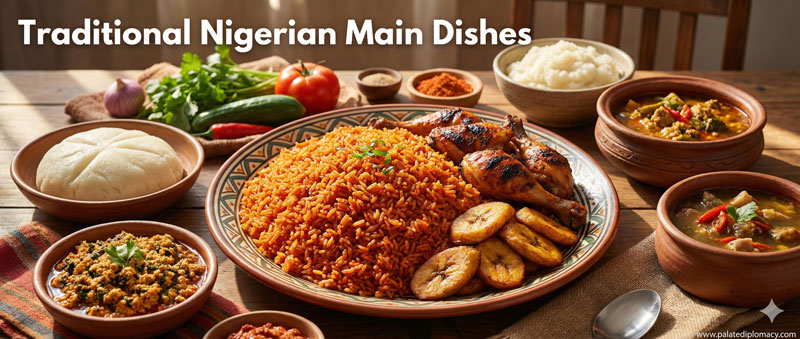
The first impression comes from color and scent. The tomato-rich sauce glows red-orange, inviting the palate to begin. Next, the sauce thickens and clings to each grain, coating it with flavor. The texture should be tender yet firm enough to hold its shape. The aroma blends tomato, onion, peppers, and warm spices. A single whiff can evoke market stalls, family kitchens, and festive meals. This sensory balance—bright, savory, and slightly smoky—defines the experience of enjoying Jollof Rice Like a local.
Regional Twists: Nigerian, Ghanaian, Senegalese Styles
Regional variations reflect local ingredients and preferences. Nigerian Jollof often features a robust, peppery kick and a deeper red hue from ripe tomatoes and chilies. Ghanaian versions may lean toward a slightly rounder sweetness and a subtler smoky edge. Senegalese styles can emphasize a lighter tomato presence with distinct spice blends. Across regions, cooks claim pride in their method, and the result remains a shared, comforting dish. Regardless of the exact recipe, the core identity—savory rice cooked in a tomato-forward sauce—stays constant, bridging communities through flavor.
The Social Feast: Jollof as Hospitality and Celebration
Jollof Rice shines most when shared. In everyday meals, it anchors conversations and laughter. For celebrations, the pot often sits at the center of the table, inviting everyone to take portions and chat. Street vendors may offer fragrant, individual portions, adding a communal texture to everyday life. The dish fosters connection—between cooks, families, friends, and neighbors—through the simple act of sharing food.
Serving Traditions and Pairings
A well-planned plate enhances the Jollof experience. Slices of fried plantain add sweetness and contrast. Grilled or fried fish, chicken, or beef provide savory balance. Fresh salads or lightly dressed greens brighten the meal and add crunch. A spicy pepper sauce or a tangy salsa can offer a lively heat that complements the rice. These pairings reflect a culture that loves variety, balance, and harmony in a single meal.
Craft and Respect: The Art of Cooking Jollof
Craft comes from patience and attention. Local cooks season the moment with careful heat control, tasting along the way to adjust balance. Respect for tradition means honoring the pot, the ingredients, and the people who will share the meal. Each step—choosing fresh tomatoes, layering flavors, and simmering slowly—adds to the dish’s character. The result is a plate that speaks of skill, care, and community.
Tips to Enjoy Like a Local
- Start with the aroma. Let the scent guide your anticipation and conversation.
- Sample the sauce first. A little taste helps you appreciate the balance of tomato, spice, and salt.
- Notice the texture. The grains should be tender but distinct, not mushy.
- Observe the serving style. Sharing from a common pot or passing plates by hand is part of the experience in many settings.
- Pair thoughtfully. A side of plantains or a light salad often complements the richness of the rice.
- Take your time. Savor each bite and enjoy the moment of gathering with others.
Conclusion: A Timeless Favorite
A Complete Guide to Enjoying Jollof Rice Like a Local celebrates more than flavor. It honors hospitality, regional pride, and the joy of shared meals. The dish stands as a gentle bridge between families, friends, and communities. Its enduring appeal lies in its warmth, its color, and the sense of belonging that comes with every plate. Enjoy the journey of flavor, and let the kitchen’s aroma welcome you to the table.