
A Complete Guide to Enjoying Pyzy Like a Local
Pyzy are more than a dish. They are a warm thread in the fabric of everyday meals and festive gatherings. This guide invites you to explore pyzy with curiosity and care. You will learn how locals inside Poland and nearby regions turn simple ingredients into a comforting, memorable experience. The goal is to celebrate flavor, technique, and the shared moments that surround every bite.
What Are Pyzy? A Quick Local Definition
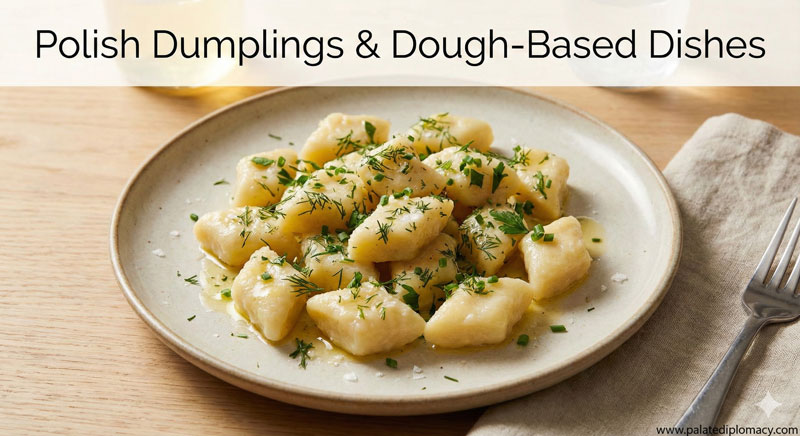
Pyzy are potato dumplings that can stand on their own or carry a savory filling. The dough typically centers on mashed potatoes, with a touch of flour or egg to help it shape. Some varieties stay plain and tender, while others welcome a filling such as ground meat and onions. The dumplings are usually boiled until firm but yielding, then served hot. Locals often finish them with a flavorful accompaniment. The beauty of pyzy lies in their versatility and their ability to carry a rich sauce, a crisp topping, or a simple dressing of onion and fat. Each bite echoes a balance of soft interior and sturdy exterior—a signature of rustic cooking that values texture and warmth.
The Craft: Dough, Fillings, and Texture
First, the dough starts with potatoes. The best pyzy use potatoes that are starchy enough to hold shape yet light enough to become tender when cooked. After boiling, peeling, and mashing, cooks fold in a little flour, a pinch of salt, and sometimes a beaten egg. The aim is a dough that is cohesive but not dense. Gentle handling matters, because overworking can make the dumplings stiff. Second, when a filling is used, it is prepared separately and cooled before being wrapped inside the dough. Common fillings include seasoned ground meat with onions, sometimes mushrooms for a lighter bite, and occasionally a small amount of crumb or breadcrumbs to improve texture. Third, shaping matters. Some pyzy are round, smooth spheres; others are a bit larger and slightly flattened. The key is to seal the edges well so the filling stays inside during boiling. Finally, they cook in salted water until they rise and glide through the pot smoothly. The result is a dish that carries aroma, a gentle chew, and a comforting core.
Regional Voices: How Pyzy Vary Across Poland
Across regions, pyzy reflect local harvests, Family Traditions, and preferences. In some places, dumplings are kept simple and pure—a nod to the potato’s character—while other areas embrace richer fillings or crisp pan finishes. Some cooks steam or parboil the dumplings first, then lightly fry them in butter for a hint of nutty fragrance. Sauces and toppings vary too: onion fried in lard for sweetness, a robust mushroom gravy for depth, or a bright herb butter to lift the plate. The shape and size can signal a storyteller’s choice, from delicate, smaller dumplings to substantial, hearty rounds. These small differences help locals tell a shared story about region, season, and kitchen craft, while keeping the heart of pyzy intact: comfort, balance, and a sense of belonging at the table.
How Locals Enjoy Pyzy: Serving Methods and Pairings
Locals often pair pyzy with ingredients that enhance their soft, comforting character. A classic approach is to spoon a flavorful onion-lard topping over warm dumplings, letting the fat and sweetness mingle with the potato. A gravy made from mushrooms or meat adds depth and a savory halo around each bite. For brightness, a touch of fresh herbs or a squeeze of lemon can lift the dish without overpowering it. Some households sprinkle crispy breadcrumbs for a gentle crunch that contrasts with the tender interior. Pyzy also shine when served in a simple format: they meet a dab of butter and a sprinkle of salt, letting the potato’s natural flavor glow. Either way, the dish invites slow enjoyment, careful savoring, and shared conversation as the plate clears.
The Social Kitchen: Pyzy in Family, Markets, and Seasons
In many homes, pyzy are a gift of the kitchen that travels beyond the stove. They appear on Sunday tables, late-willed suppers, and festive meals when families gather after a day’s work. Markets and kitchen stalls showcase the dish with a friendly aroma that draws neighbors and friends together. Seasonality matters as well: spring greens and onions, autumn mushrooms, or a simple harvest of.
The social moment around pyzy centers on care. People talk while shaping dough, watch a pot simmer, and share tips that have traveled through generations. The dish becomes a quiet ceremony of patience, a way to welcome guests, and a reminder that good food grows in collaboration—hands that mash, roll, fill, and cook in concert.
Cooking at Home: Practical Steps to Bring Pyzy to Your Table
To recreate the feeling of a local pyzy, start with a plan that respects the dish’s texture and balance. First, choose potatoes that yield a fluffy mash once cooked. Boil, peel, and mash hot, then mix with a little flour and a pinch of salt. The dough should hold together but feel light. If you want a filling, prepare it separately: gently cook minced meat with onions until well browned and cool it before shaping. Shape the dumplings with care, sealing edges to keep the filling in. Boil in salted water until they float, then test one for texture. If you Like a crisp finish, a quick pan fry in butter after boiling adds color and aroma. For serving, offer onions sautéed in bacon fat, a mushroom gravy, or a simple herb butter. Finally, serve warm and enjoy slowly, letting the flavors unfold with good conversation and company.
Conclusion: The Heart of Pyzy in Everyday Culture
Pyzy stand as a humble yet meaningful emblem in the world of traditional cooking. They embody care, shared work, and the joy of savoring simple ingredients with friends and family. By understanding their craft, honoring regional variations, and embracing the ways locals serve them, you can enjoy pyzy not just as a dish, but as a living cultural moment. May every bite remind you of warmth, welcome, and the beauty of food that travels from kitchen to table, bringing people together.