
A Complete Guide to Enjoying Pyzy Like a Local
Pyzy are more than a dish. They are a quiet thread in the fabric of Polish dining, weaving simplicity with care. This guide invites you to explore their cultural value and culinary significance. You will find how these humble potato dumplings connect family, season, and tradition—yet remain open to modern twists that respect the craft.
What Are Pyzy?
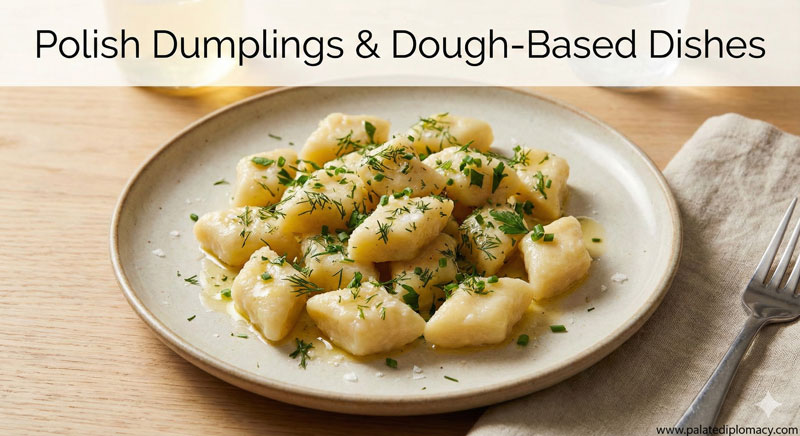
Pyzy are traditional Polish potato dumplings. They start with potatoes, lightly salted and shredded or riced. Some cooks boil the potatoes first; others grate raw potatoes for a lighter bite. The dough may include a touch of flour or potato starch to help shape the dumplings. The result is a sturdy, tender pocket that can carry savory fillings or simply shine on its own. Pyzy are commonly served hot, simmered in water, and plated with butter, onions, or a savory sauce. In homes and markets, they appear as comfort food that travels well from stove to table, carrying memories of family kitchens and seasonal meals. The name itself signals a craft that has stood the test of time: simple ingredients, careful technique, and a warm welcome at the table.
The Craft: Texture, Technique, and Care
The key to great pyzy lies in balance. First, rinse and prep the potatoes until they are clean and dry. If using raw grated potatoes, drain excess moisture to keep the dough cohesive. Combine the potatoes with a small amount of flour or starch and a pinch of salt. Knead gently; overworking can make the dumplings dense. Shape small, even rounds with care. Boil them in salted water until they rise to the surface and drift for a moment more. The goal is a dumpling that yields slightly when bitten, with a soft center and a light outer skin. Serve promptly, or keep gently warm under a clean cloth. The technique is approachable, but the patience to shape and time the boil well rewards you with a delicate bite and a true sense of place.
Fillings and Variations
Savory fillings anchor pyzy in heartier meals. Commonly, cooks tuck seasoned ground meat with onion, herbs, and pepper inside the dumplings or pair plain dumplings with a rich meat sauce. Mushrooms, sautéed with onions and a touch of pepper, offer an earthy contrast to the gentle potato. Some kitchens opt for cheese or curds mixed with herbs for a milder, creamy contrast. Others prefer the dumplings unfilled, letting butter, crispy onions, or breadcrumbs carry the flavor. In all cases, pyzy honor the potato’s star role while inviting a second flavor to linger on the palate. Regional and family variations celebrate this flexibility, making pyzy a living tradition that adapts while staying rooted in taste.
Savoring Pyzy: The Local Experience
When locals enjoy pyzy, the experience starts with aroma. Butter melts, onions soften, and the plate seems to glow with warmth. A spoon of tangy sour cream or a sprinkle of crisped bacon bits or fried lard adds texture and depth. In many households, a light sprinkle of fresh herbs—dill or chives—completes the dish. The communal feel matters as much as the taste. Pyzy invite sharing, conversation, and a sense of belonging around the table. This dish is frequently part of weekend meals, family gatherings, and seasonal celebrations. To eat Like a local, savor slowly, notice the contrast between soft interior and silky exterior, and let the simple flavors guide the moment.
Regional Expressions
Across Poland, you’ll notice subtle differences that make pyzy feel regional yet familiar. Some kitchens favor a slightly firmer dough for a sturdier bite, while others embrace a silkier texture with extra flour or starch. The size of the dumplings can vary, influencing the balance between filling and crust. Cooking methods may shift between boiling and shallow pan-frying to add a delicate crisp to the surface. These variations reflect regional preferences, seasonal ingredients, and Family Traditions. Regardless of style, the spirit remains the same: a humble dish that gathers people around a table and reminds them of home.
Sauces, Accompaniments, and Eating Styles
A well-chosen accompaniment can lift pyzy from comforting staple to memorable dish. A simple butter sauce infused with fried onions offers a classic pairing. A mushroom or pork gravy provides a savory depth that hugs the dumplings. Sour cream adds a gentle tang and smooth mouthfeel, balancing the starch with dairy richness. Some diners mix in a touch of salt, pepper, or fresh herbs at the end to brighten the dish. The best pairings honor the potato’s gentle sweetness while letting the filling and sauce carry the personality of the meal. Serve pyzy hot for the best texture and taste.
From Market to Table: Buying, Storing, and Reheating
When buying pyzy, choose dumplings that feel firm yet yield to gentle pressure. Freshly made pyzy have the best texture, though many markets offer frozen options that still deliver charm and warmth. To store, keep them in a cool, dry place if fresh, or freeze in a single layer and seal for later use. Reheat by simmering in salted water just until they rise to the surface, then serve with your preferred sauce. A quick pan-fry after reheating can add a light crisp to the outside. Proper handling preserves the dumplings’ tenderness and flavor, letting you enjoy pyzy as if they were freshly made.
Pyzy in Everyday Life and Celebrations
Pyzy are a staple that shines in daily meals and in moments of celebration. They align with the rhythm of family life—simple, nourishing, and made with care. In festive weeks or harvest seasons, pyzy appear as a reliable dish that brings comfort and continuity. Sharing pyzy with neighbors or guests becomes a small ritual of hospitality. The dish embodies patience and craft, inviting cooks to slow down and enjoy the process of making and sharing. Through these moments, pyzy become more than food; they become a gentle expression of togetherness and cultural appreciation.
A Final Note on Respecting Craft
Enjoying pyzy like a local means honoring the craft and the people who keep it alive. Taste the balance between potato, starch, and heat. Notice how the textures play with each bite and how the flavors carry memory in every plate. Be curious about regional differences, but also generous with praise when you encounter a lovingly prepared dumpling. In this way, pyzy invite you into a shared cultural experience—one that celebrates simple ingredients, thoughtful technique, and the warmth of a welcoming table.