
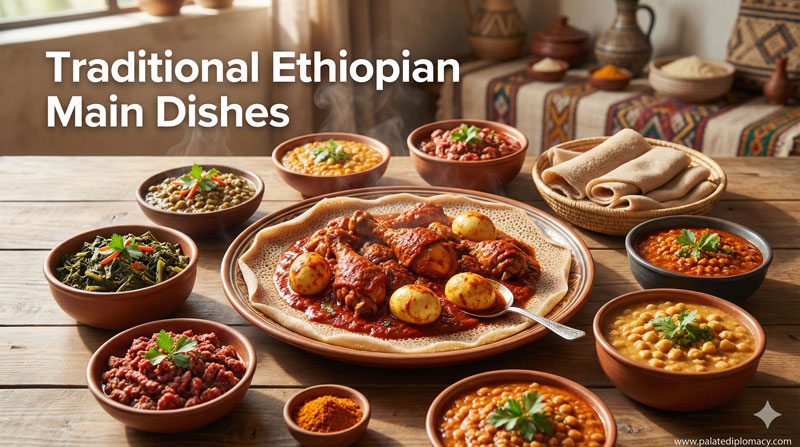
A Warm Welcome to Zilzil Tibs
Zilzil Tibs invites us into a kitchen where sizzling sound, bright colors, and inviting aromas come together. This dish is more than a meal; it represents a way of sharing, celebrating, and slowly savoring small moments with family and friends. When a pan sings with spice and meat, the table becomes a gathering place where everyone leans in to taste The Story behind the dish. In this guide, we explore its cultural value and culinary significance with an inviting, respectful tone.
What Is Zilzil Tibs? The Culinary Core
Zilzil Tibs is a lively sautéed meat dish, often beef or lamb, cut into tiny pieces and pressed into a quick, high-heat fry. The sizzling sounds come from the name “zilzil,” a cue that the pan is hot and the flavors will bloom immediately. Onion, garlic, and peppers join the meat, seasoned with a blend of spices and a touch of clarified butter for richness. The result is a bright, spicy, and deeply comforting dish that is quick to prepare and deeply satisfying to share. The technique highlights balance: the meat browns quickly, the aromatics soften, and the heat seals in juices, producing a dish that tastes both fresh and comforting.
The Flavor Profile: Color, Aroma, and Texture
Zilzil Tibs presents a vivid color palette—rich browns from seared meat, glowing reds from peppers, and a glossy sheen from butter or oil. The aroma rises in waves: caramelized onion, toasty spices, and a hint of citrusy brightness. Texture plays a key role, with crisp edges on the meat and tender interiors, contrasted by the soft bite of sautéed onions. The heat level varies by cook, but a well-made version balances warmth with the savory depth from the meat and fat. Paired with an accompanying staple, the dish becomes a celebration of contrasts that the palate recognizes and loves.
The Cultural Texture: Dining With Injera and Shared Plates
In many homes, Zilzil Tibs is enjoyed with injera, a spongy flatbread that doubles as a utensil and a place for communal tasting. Diners tear a piece of injera, use it to scoop the meat and sauce, and pass shared portions around the table. This practice emphasizes hospitality, connection, and the joy of sampling together. The dish often appears at gatherings, family meals, and festive evenings, where the act of serving and sharing becomes a meaningful ritual. The pairing of Zilzil Tibs with injera elevates both food and social warmth, making the meal a cultural moment as much as a culinary one.
How Locals Enjoy Zilzil Tibs: Rituals and Etiquette
Locals savor Zilzil Tibs by taking small, mindful portions to prolong the conversation and the flavor journey. Start with a modest bite to appreciate the base flavors, then return for a second helping as the aroma evolves in the dish. Serve and share with generosity, allowing everyone at the table to taste the interplay of spice and fat. Keep the pace relaxed, letting the sizzling sound guide the mood. For many households, a glass of a light beverage or tej (honey wine) accompanies the meal, enhancing the balance between sweetness and heat. The social rhythm—talk first, taste together, smile last—keeps the experience warm and memorable.
Ingredients and Techniques That Matter
Key ingredients include tender meat, onions, garlic, and peppers, cooked in a small amount of clarified butter or oil. Spices such as berbere or mitmita provide warmth and depth, while salt finishes the dish. The technique centers on high heat to achieve quick browning, followed by careful stirring to prevent sticking and to maximize even cooking. The “zilzil” element comes from the moment the meat hits the pan; the sizzling tells the cook that flavor development is underway. This combination of precise heat, aromatic spices, and simple ingredients is at the heart of Zilzil Tibs’ culinary significance.
Pairings and Sauces: Enhancing the Experience
Pair Zilzil Tibs with injera to create the classic experience, inviting you to scoop and share. Fresh salads or evenly dressed vegetables offer a bright counterpoint to the richness. A cucumber-yogurt sauce can provide cooling notes, balancing the heat from the spices. A simple tomato salad can add acidity that brightens the dish, while a light sprinkle of fresh herbs lifts the aroma. These pairings enhance the texture, color, and conversation at the table.
A Short Guide to Preparing a Home Version
To bring this dish into your kitchen, start with small, quality portions of beef or lamb. Slice finely, mince, and season with salt. In a hot pan, add a splash of oil, then the onions, followed by meat, garlic, and peppers. Let everything brown quickly, then finish with your chosen spices and a touch of butter for gloss. Serve with warm injera or your preferred flatbread. Enjoy with friends or family, and savor the moment when the sizzling sound meets shared laughter and conversation.
Conclusion: The Heart of the Table
Zilzil Tibs embodies the spirit of hospitality and the beauty of simple, precise technique. It connects food, senses, and community in a warm, inviting way. By appreciating its sizzling sound, bold flavors, and communal style, we celebrate a dish that enriches culture and everyday life. May every bite bring a sense of belonging and a smile at the table.