
What Makes Injera with Wat So Special in Ethiopia
Injera with wat is more than a meal. It is a doorway into Ethiopian culture, a daily ritual that honors sharing, patience, and flavor. The dish invites conversation,, gratitude, and a sense of arrival at the table. With its tangy, spongy injera and its deeply seasoned wat, it paints a portrait of a people who savor community as much as food. This post explores the cultural value and culinary significance that lift injera with wat above the ordinary.
Injera: The Foundation of Flavor
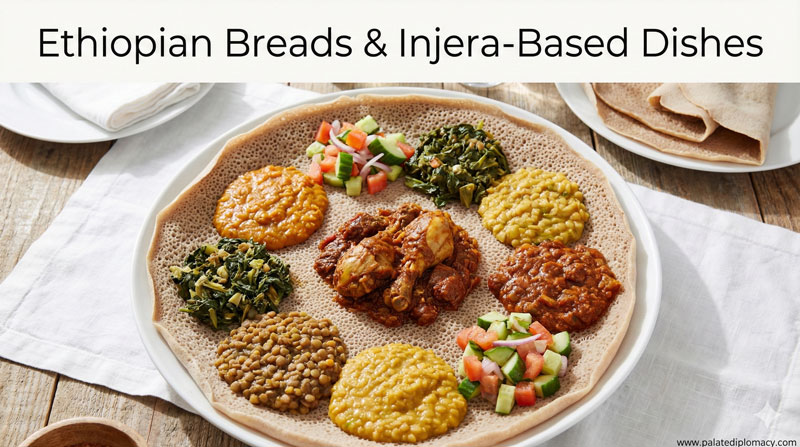
Injera is the canvas on which Ethiopian meals are built. Made from teff flour, water, and time, it ferments into a light, porous bread with a distinctive tang. The bubbles on its surface are the signature of a living process, one that stretches across households and seasons. The texture is soft yet resilient, able to soak up sauces while leaving a delicate chew on the bite. In many homes, injera is baked on a flat clay pan, then laid out on a large platter to serve as both plate and utensil. Diners tear pieces from the edge and use them to scoop up the richness of wat. This simple, practical design makes meals feel intimate and inclusive, inviting everyone to participate.
The teff grain at the heart of injera carries history and nourishment. Teff is small and nutty, providing minerals and fiber that many traditional diets value. Not every region uses pure teff for every batch; bakers may blend grains to adjust texture and flavor, but the reverence for teff remains a hallmark of the injera experience. The result is a bread that carries the aroma of fermentation, a soft sourness that signals time-honed technique and care.
Wat: A Symphony of Ethiopian Spices
Wat refers to the family of Ethiopian Stews. Each pot holds a balance of warmth, aromatics, and depth. The core spices, such as berbere and awaze, weave through the dish, giving wat its characteristic comfort and glow. Niter kibbeh, a clarified butter infused with spices, often joins the mix to round and brighten the flavors. Slow simmering deepens the character of the ingredients, letting peppers, lentils, chicken, or vegetables release their natural sweetness while keeping a fire of gentle heat.
Doro Wat, the famous chicken stew, offers a good illustration of wat’s complexity: a kiss of heat, a velvet texture from long simmering, and the bright lift of onions and garlic. Misir wat, made with split lentils, brings a comforting, earthy note that balances the tang of injera. Shiro wat, thick with ground chickpea flour, provides a creamy, comforting presence. Each version of wat has its own personality, yet all share the same purpose: to mingle with injera and encourage a communal, unhurried meal.
A Shared Ritual: Eating Together
The way injera with wat is served and shared is a daily ritual that strengthens social ties. A large platter becomes a communal stage where family, friends, and neighbors gather. Servers, often the family matriarch or a dedicated host, portion the wat around the circle of injera. Diners tear a piece of injera, shape it into a scoop, and lift a bite of wat to the mouth. The act is simple, but it conveys hospitality and care—the host’s effort to ensure everyone feels welcome and fed.
Etiquette around the table emphasizes ease and respect. People use the right hand to handle the injera and to scoop, passing food around in a circular, mindful rhythm. Conversation rises and falls with bites, stories weave through the meal, and the shared bread remains the unifying element that holds the moment together. In this setting, food becomes a language of warmth, where flavor and fellowship feed the body and the spirit alike.
The Craft Behind the Fermentation
Fermentation is the quiet artistry behind injera’s lively character. Wild yeasts and bacteria transform the batter over a period of time, producing the distinctive sour note that distinguishes injera from other flatbreads. The window of fermentation varies by kitchen, climate, and tradition, but the principle stays constant: patience yields complexity. A well-made injera carries a gentle tang, a light sparkle of carbonation, and a softness that makes every bite easy to savor. This craft links generations, as many families pass down tips on flour selection, water quality, and resting times. The result is not just bread; it is fermented memory in a circle of bread.
Teff: The Grain of Tradition
Teff is central to the Ethiopian plate, celebrated for its resilience in poor soils and its nutritional profile. It provides a slightly nutty flavor and a fine crumb that works beautifully in injera’s airy texture. Because teff is naturally gluten-free, it also invites a diverse audience to enjoy injera with wat, though dietary practices vary around the country. Some regions blend teff with other grains to achieve different textures or to stretch harvests, yet the cherished tang and the tender bite endure. Teff’s role in injera mirrors a cultural appreciation for local resources, crafted with care and respect for the land.
Serving Etiquette: A Gentle Guide
Injera with wat is often served with a sense of ceremony and ease. The host places the platter on the table, allowing guests to begin with a respectful welcome bite. Diners touch the edge of the injera, then wrap it around a mouthful of wat. The goal is not speed but shared enjoyment—the texture of the bread, the aroma of the spices, and the warmth of the gathering. This practice reinforces hospitality as a daily pleasure, not a special occasion alone. The table becomes a stage for conversation, gratitude, and the simple joy of eating together.
Celebrations and Daily Life
The cultural value of injera with wat shines both in everyday meals and festive gatherings. It appears on tables during family meals, market visits, and ceremonial celebrations, echoing a rhythm of life that centers on nourishment and company. In many households, coffee and tea rituals accompany meals, extending the moment of connection beyond the plate. The combination of food, fragrance, and conversation creates a comforting hospitality that Ethiopians share with guests and neighbors alike. The dish thus serves as a living thread in the fabric of daily life.
Flavor, Technique, and Craft
Culinary significance lies in balance and craft. The careful combination of injera and wat demonstrates how texture, aroma, and heat can mingle without overwhelming one another. The spongy surface of injera keeps sauces from running away, while the bold flavors of wat invite a slower, mindful bite. Together, they reveal a philosophy of cooking that values harmony, patience, and attention to detail. Each bite is a chance to explore layers of flavor and to appreciate the skill that brings them to the table.
A Living Tradition
Across regions, families preserve diverse approaches to injera and wat. Some kitchens favor a stronger sour note, others a milder profile, but the core idea remains the same: a shared meal that honors time-tested methods and local ingredients. The tradition adapts with taste and climate, yet the ceremony of gathering around injera with wat stays constant. This continuity gives the dish its enduring appeal and makes it a hallmark of Ethiopian food culture.
Why It Feels Timeless
Injera with wat embodies hospitality, craftsmanship, and community. The tang of injera, the richness of wat, and the simple act of sharing create a timeless experience. It invites guests to slow down, savor conversation, and celebrate the generosity of a table well-set. The dish feels both heartwarming and aspirational—an invitation to explore Ethiopian flavors with warmth and curiosity. In this way, injera with wat remains a beloved expression of culture, nourishment, and connection.
If you seek a meal that speaks softly but with lasting resonance, try injera with wat. You will taste a tradition built on care, skill, and the joy of coming together. Each bite tells a story of place, craft, and community—an invitation to linger, share, and nourish what truly matters: the human moment around the table.