
Introduction
Travelers are falling in love with injera with wat because it speaks to the heart of a culture through taste, touch, and togetherness. This dish is more than food; it is a window into daily life, hospitality, and shared moments. The unique texture of injera and the rich depth of wat invite conversation, curiosity, and appreciation. In this post, we explore the cultural value and culinary significance that draw visitors to this iconic Ethiopian pairing.
Injera: The Foundation of Flavor
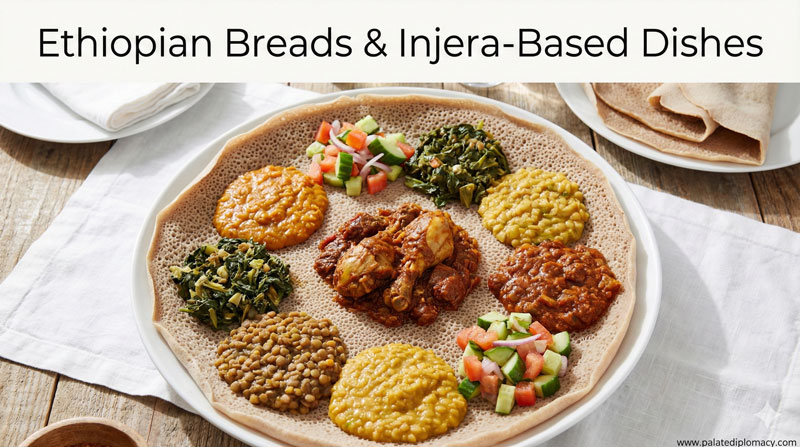
Injera is the plate and the table in one. Made from tef flour and water, it ferments into a tangy, airy flatbread with a sponge-like surface. The fermentation develops a bright sour note that brightens each bite. The soft, porous texture catches sauces and stews, carrying flavors across the palate. When travelers taste injera, they sense a centuries-old practice of grain, water, patience, and craft. The result is both comforting and exciting, a bread that serves as both utensil and edible centerpiece.
Wat: A Symphony of Spices
Wat refers to a family of slow-simmered stews, each woven with aroma and heat. Berbere spice blends, aromatics, and slow-cooked meat or legumes create a layered, comforting depth. Common varieties include meat-based Doro Wat and legume-focused misir wat, among others. The slow braise draws from simple ingredients yet yields a complex profile—savory, slightly fiery, and richly seasoned. Travelers discover that wat is not a single dish but a voice in a chorus, offering countless ways to experience balance between spice, sweetness, and savory depth.
The Fermentation Craft
The magic behind injera begins with fermentation. This quiet process, guided by time and temperature, transforms flour and water into a lively batter. The result is a bread with a distinctive aroma and a texture that invites tearing, dipping, and sharing. Fermentation is a living tradition, passed down through cooks who tune flavors with care. For travelers, witnessing or tasting injera is a lesson in patience, rhythm, and the beauty that emerges when ingredients meet careful timing.
Sharing a Table: Social and Cultural Moments
A meal of injera with wat is a social event. A communal spread on a large sheet of injera invites everyone to contribute, tear, and scoop. Each person uses a piece of injera to pinch a portion of wat, creating a hand-to-mouth flow that feels natural and inclusive. This table dynamic teaches hospitality, respect, and vibrant conversation. Visitors quickly feel welcomed as part of a shared ritual rather than a temporary guest at a meal.
Etiquette and Experience
The dining manner around injera emphasizes ease and reciprocity. Guests typically wash hands, break off a portion of injera, and use it to scoop wat or other dishes. The focus is on generosity and togetherness rather than ceremony. Clear transitions between courses, generous portions, and mindful pacing help diners savor every layer of flavor. For travelers, this approach offers a gentle, engaging entry into a culture that values communal nourishment and mutual enjoyment.
Regional Hearts: Variations Across Ethiopia
Across regions, injera and wat reveal regional character. Some areas favor lighter injera with subtle sour notes; others enjoy a stronger tang and a denser texture. Wat recipes vary with local ingredients, from smoky spice blends to herbaceous finishes. These differences celebrate local farms, seasonal ingredients, and culinary memory. For travelers, exploring regional twists helps map a country’s culinary landscape and highlights how food mirrors local life and land.
A Traveler’s Guide to Savoring Injera with Wat
- Start with injera as the star: Observe its texture, aroma, and sour aroma. Tear a piece to begin the meal.
- Sample a mix of wat varieties: A bite of misir wat alongside doro wat reveals balance between legume sweetness and meat depth.
- Pause to appreciate aromas: The steam, spices, and herbal notes invite a deeper tasting.
- Pair with traditional beverages: A warm cup of coffee or a light, refreshing drink complements the spices without overpowering them.
- Respect the pace: Meals unfold with deliberate tempo; savoring each bite enhances the experience.
Sourcing, Sustainability, and Craft
Injera’s ingredients highlight sustainability and local farming. Teff, the gluten-free grain at the heart of injera, is nutrient-dense and adaptable to diverse climates. Bakers often rely on traditional hearths or ovens that retain heat and support consistent fermentation. The care given to ingredient selection and process showcases a culinary philosophy that values soil, season, and craft. Travelers who seek authenticity often prefer eateries that celebrate these values, offering fresh injera and thoughtfully prepared wat.
The Cultural Value in Every Bite
Injera with wat embodies social harmony, hospitality, and culinary artistry. The dish invites sharing, conversation, and a sense of belonging at the table. It connects generations of cooks, farmers, and servers through a practice that honors time, technique, and community. For travelers, enjoying injera with wat becomes more than a meal; it becomes a respectful encounter with a living food culture that welcomes exploration and reflection.
Final Thoughts
Travelers are drawn to injera with wat because it offers a complete cultural experience: a distinctive flavor profile, a traditional texture, and a generous spirit of sharing. The dish stands as a beacon of Ethiopian food culture, inviting exploration, conversation, and gratitude for the craft behind every bite. Whether you are tasting it for the first time or revisiting a favorite neighborhood restaurant, injera with wat remains a welcoming, inspiring culinary expression of place, people, and tradition.