
Discover the Bold Flavors of Jerk Chicken
This post explores the cultural value and culinary significance of jerk chicken. It is a celebration of a dish that many people associate with warmth, skill, and a shared table. You will discover how the flavors speak to a place, a cooking tradition, and a daily joy found in kitchens and markets alike. The approach here is neutral, inviting, and focused on the beauty of the dish and its place in Food Culture.
The Heart of the Dish: Culture and Craft
Jerk chicken stands as a living craft. It reflects careful technique, patient preparation, and a knack for layering heat with aroma. Cooks take pride in the rhythm of the process: clean, marinate, season, and grill. The result is a dish that feels both simple and sophisticated. Each bite carries the memory of a kitchen, a grill, and a community that gathers to share. In this way, jerk chicken becomes more than food; it becomes a ritual of hospitality and a daily expression of culinary care.
The Spice Blend: A Signature Mixture
A signature jerk blend brings the dish to life. Scotch bonnet peppers provide a bright, keen heat that lingers pleasantly. Allspice, often called pimento, adds warm, subtly sweet notes. Fresh thyme, green onions, garlic, and ginger contribute depth and brightness. A touch of onion, salt, and a hint of sugar help balance the heat. Some cooks add cinnamon or nutmeg for warmth, while others keep the mix clean and direct. The spice blend is the Heart of the flavor, but its impact is felt through the cooking method and the smoke from the grill. The combination creates a lively aroma that signals a memorable meal ahead.
The Technique: Marinade, Smoke, and Grill
The technique matters as much as the ingredients. Cooks coat the chicken with the spice blend, letting flavors penetrate through marination. Marinade times vary, but patience pays off: longer marination amplifies depth and tenderness. The grill reveals a signature char, with the chicken absorbing smoke from pimento wood and the spice’s oils. Heat control is essential. A steady flame yields crisp edges while keeping the meat juicy inside. Through this method, each piece becomes a small, fragrant work of culinary craft.
A Shared Meal: Hospitality and Gathering
Jerk chicken shines in social settings. Markets, street grills, beaches, and family gatherings light up with its aroma. The dish invites people to come closer, share stories, and enjoy a communal table. It is common to see friends and neighbors helping with the grill, offering tips, and passing around plates. In these moments, the dish becomes a bridge between kitchens and streets, a symbol of welcoming hospitality. The joy of eating jerk chicken comes not only from the spice but from the sense of belonging that surrounds the meal.
Regional Variations and Modern Takes
Across Jamaica, cooks adapt the practice to local tastes and equipment. Some prefer a stricter, purer spice profile; others enjoy bolder, smokier notes. Marinade duration, heat level, and the type of wood used for grilling influence the final character. Modern takes keep the essence intact while exploring new textures, such as using different grills or adding a splash of citrus. Yet the core idea remains the same: balance heat, aroma, and tenderness to honor the dish’s traditional roots while inviting fresh appreciation.
Pairings and Presentation: Completing the Experience
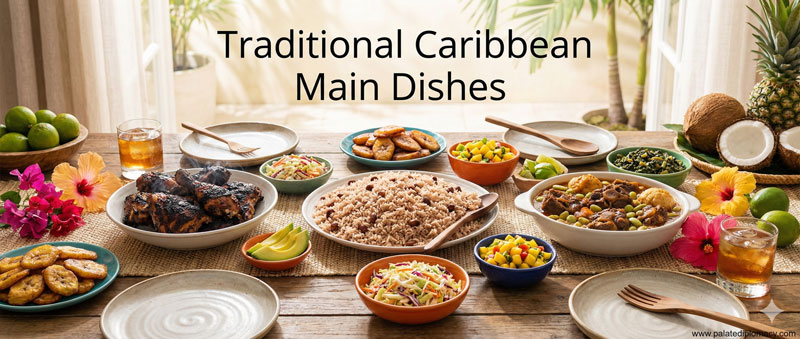
Pair jerk chicken with complementary sides that elevate the tasting experience. Rice and peas provide a comforting, savory base. Festivals—flat, fried dumplings—bring a gentle sweetness and texture. Callaloo or leafy greens offer freshness to contrast the spice. Roasted plantains or fried breadfruit can add a mellow sweetness that harmonizes with the heat. A squeeze of lime deepens brightness, while a cold drink refreshes the palate. Presenting the dish with care invites guests to savor both spice and balance.
In Reflection: The Timeless Appeal
Jerk chicken remains a vibrant expression of cooking craft and cultural appreciation. Its bold flavors, thoughtful preparation, and generous spirit make It a centerpiece in many kitchens and eateries. The dish invites curiosity, respect, and enjoyment. By exploring its spice, method, and social role, readers can see how a single recipe can reflect skill, hospitality, and shared pleasure. The result is a dish that invites everyone to celebrate good food and the warmth of a well-cooked meal.