
Why Jerk Chicken Is One of the Caribbean’s Most Loved Dishes
Jerk chicken holds a special place in Caribbean kitchens. It is a joyful, inviting dish that invites people to gather, share, and celebrate a moment around the grill. Its fame comes from a lively blend of heat, aroma, and craft. This post looks at its cultural value and culinary significance, focusing on the food itself and the hands that make it.
The Flavor That Defines Jerk
Jerk chicken earns its name from a bold, memorable method. A bright paste coats the meat, building layers of spice and warmth. The paste blends pimento (allspice), Scotch bonnet peppers, thyme, scallions, garlic, onion, and ginger. Some kitchens add nutmeg or cinnamon for a subtle warmth. The result is flavor that speaks in a rhythm of heat and aroma. The spice mix is not just a taste; it tells a story of the region’s pantry and palate. Each bite carries a sense of sunshine, street markets, and home kitchens working together to create something beloved.
The Marinade: A Bright, Complex Paste
The marinade is the Heart of jerk chicken. It is a versatile yet precise blend. Pimento seeds ground with peppers create a tingling heat. Fresh herbs, garlic, and onion brighten the mix. A touch of salt helps the flavors cling to the meat. The paste seeps into the chicken, distributing flavor evenly. When the marinade rests, it becomes a kind of conversation between spices and meat. The longer it sits, the more the flavors deepen. This patience honors the craft behind every great jerk.
The Cooking Method: Fire and Smoke
Cooking jerky-hot chicken is a ritual of fire and smoke. Traditionally, cooks grill over charcoal or use pimento wood to add a sweet, resinous smoke. The skin tightens into a lacquered crust as the heat works its magic. The interior stays juicy, protected by the spice cloak. The method rewards careful turning and steady heat. The smoke carries fragrance far before the first bite. The technique is as much about timing as it is about flavor. The result is a balance of char, heat, and tenderness that defines jerk.
A Social Staple Across Islands
Jerk chicken shines in social moments. It appears at backyard barbecues, street corners, and family gatherings. Vendors in markets serve jerk with a friendly smile and a slogan that invites passersby to slow down, breathe in the aroma, and choose a portion. People share tips, swap family recipes, and celebrate the scent of the grill. Jerk builds connections. It is a dish that brings friends and neighbors together, turning ordinary meals into warm memories.
Regional Variations: A Caribbean Family of Flavors
Across the Caribbean, jerk chicken takes on regional hues. Jamaica, the home of the method, emphasizes bold heat and earthy pimento notes. Other islands play with peppers, herbs, or sweetness to suit local tastes. Some kitchens add lime juice for brightness; others lean into thyme and scallions for a greener edge. Yet the core idea remains: meat enriched with spice, kissed by smoke, and shared with care. The variations show how a single method adapts to many tables, preserving a common spirit while honoring local preferences.
Sensory Story: Aroma, Texture, and Color
The experience of jerk chicken is multi-sensory. The aroma is inviting—the scent of roasting spice, smokiness, and caramelized crust fills the air. The exterior offers a glossy, browned surface with a gentle crisp. Inside, the meat stays tender and moist, a reward for slow cooking and good heat control. The balance of heat, aroma, and sweetness makes the dish immediately recognizable. Each mouthful invites another, as textures and flavors harmonize with the senses.
Home Cooking: Bringing the Caribbean to Your Kitchen
Jerk chicken adapts well to home cooking. A simple marinade can transform weeknight meals into celebratory fare. Grilling on a barbecue or a grill pan recreates the signature smoke and crust, while an oven or air fryer can also do the job with careful timing. Fresh peppers, thyme, and scallions bring brightness, and careful handling of hot peppers protects both cook and guests. Even when made at Home, the dish carries a sense of place and tradition, reminding us that good cooking connects family, friends, and communities.
Pairings and Serving Traditions
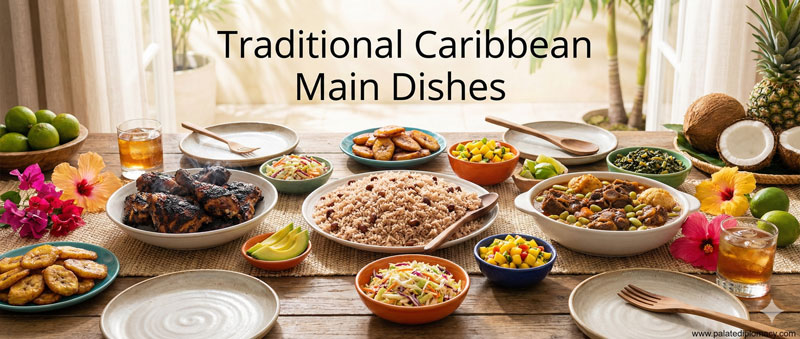
Jerk chicken pairs beautifully with bright, simple sides. Rice and peas, fried plantains, or roasted breadfruit highlight the meal without overpowering the spice. A fresh salad or pickled vegetables can bring balance and crunch. Traditional beverages, fruit drinks, or a cool, refreshing lime soda often accompany the dish. The serving style—plenty of sauce on the side, a generous helping of crust, and a friendly smile—completes the experience.
Preserving and Sharing the Recipe
This dish thrives when people honor its core elements: fresh ingredients, thoughtful preparation, and shared enjoyment. Seek quality pimento (allspice) and authentic Scotch bonnet peppers for the most vibrant flavor. When you cook, approach the process with curiosity and respect for the craft. Sharing jerky memories, tweaks, and tips helps keep the tradition alive. The goal is to keep jerk chicken welcoming, flavorful, and true to its roots as a centerpiece of Caribbean cooking.
Closing Thoughts: Why It Endures
Jerk chicken endures because it is more than a recipe. It is a moment of warmth, a sign of hospitality, and a celebration of flavor. Its cultural value lies in how it invites people to gather, taste, and share. Its culinary significance shines in the balance of spice, smoke, and tenderness. The dish remains a beloved staple because it speaks to love of food, community, and craft. In every bite, you taste the Caribbean’s vibrant Food Culture—bright, generous, and unforgettable.