
Why Jerk Chicken Is One of the Caribbean’s Most Loved Dishes
Jerk chicken holds a special place in Caribbean dining. It inspires smiles in kitchens and on streets alike. The dish travels from home to market stalls, inviting neighbors to gather and share a meal. It blends heat, smoke, and herbs into a single, memorable bite. In many homes, the moment a pot or grill opens with jerky scent marks the start of a joyful meal.
The Heart of the Flavor: The Spice Blend
At the core of jerk chicken is a bold spice blend. The key note is allspice, sometimes called pimento, which brings warm, fragrant depth. Heat comes from scotch bonnet peppers, bright and lively. Fresh herbs like thyme and scallions lift the mix, while garlic adds savory backbone. A touch of salt balances the heat, and small hints of nutmeg or cinnamon sometimes join the blend for warmth. This combination creates a perfume that tells you a Caribbean kitchen is near, even before you taste the meat.
Next, the method matters as much as the ingredients. The rub can be dry or, in many homes, mixed with a bit of oil or lime juice to help it cling. Either way, the spices are worked into the chicken with care. The best versions rest for a while, letting the flavors mingle. Then the cooking begins. The rub’s warmth meets the smoke for a slow, attentive sizzle that preserves juiciness and builds a glaze on the surface.
The Craft of Cooking: Smoke, Fire, Patience
Jerk cooking shines when fire and air cooperate. The traditional method uses a grill or a j a rk pit, often shaded by pimento wood. The smoke from the wood carries the spice’s perfume deep into the meat. If wood isn’t available, charcoal can still yield a rich, smoky finish. Either way, steady, medium heat keeps the chicken tender while developing a flavorful crust. Turning the pieces at the right moments ensures even cooking and a pleasing char.
Patience is essential. Rushing the process can dull the aroma or dry the meat. But when done well, the outside glistens with tiny crackles, while the inside remains juicy and bright with herbal notes. The result is a harmony of textures: a crisp edge, a tender center, and a lingering, welcoming warmth.
A Dish of Gathering: Social and Cultural Value
Jerk chicken is more than sustenance. It is a signal for gathering. Families barbecue on weekends, neighbors share plates along a stall line, and friends celebrate with a bubbling grill and a pot of rice or yams nearby. The dish invites conversation and connection. In many communities, the act of preparing jerk chicken becomes a small ceremony—measured rubs, careful timing, and shared tasting, all building a sense of belonging.
Moreover, the dish showcases regional pride. While Jamaica is widely associated with jerk, cooks across the Caribbean adopt local twists that honor their own harvests and tastes. Each kitchen adds a personal note to the tradition, keeping the practice alive and vibrant.
Regional Variations and Identity
Across the Caribbean, you will find respectful variations. Some cooks favor a sharper pepper bite, while others prefer a deeper, more aromatic sweetness. The roasting method may switch from a smoky grill to a broiler in a home kitchen, yet the essence stays the same: a dish born from spice, smoke, and a generous spirit of sharing. These variations celebrate local ingredients—different peppers, herbs, and woods—while preserving the signature jerk sensibility.
In addition, the dish serves as a culinary bridge. It brings together different cooking styles within the region, showing how a simple technique can adapt and thrive in many kitchens. This adaptability speaks to the Heart of Caribbean cooking: warmth, hospitality, and a love of cooking that brings people together.
The Sensory Experience: Aroma, Texture, and Taste
The aroma is the first invitation. You smell a lively mix of warmth, citrusy brightness, and a hint of sweet spice. Then comes the bite: a juicy, well-seasoned interior with a crisp, lightly charred exterior. The heat is present but balanced, allowing the herbal notes to linger after the first taste. The overall experience rewards patience and attention to detail, with a satisfying finish that invites another shared plate.
Pairings and Occasions
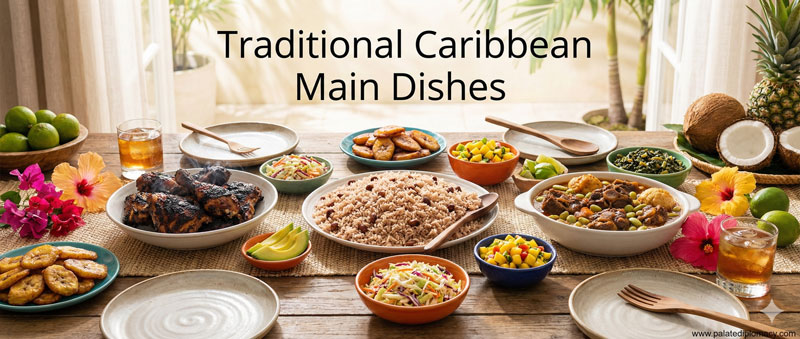
Jerk chicken pairs beautifully with simple staples. Steamed rice and peas or coconut rice let the spices shine. Fried dumplings or festival bread offer a soft contrast to the smoky meat. Fresh salads, lime wedges, and a cold, refreshing drink complete the plate. In social settings, jerk chicken often anchors a celebration, a weekend cookout, or a lively street market moment.
A Teachable Joy: Craft, Craftsmanship, and Care
At its core, jerk chicken is a classroom of flavor. It teaches how a handful of ingredients can become something much larger when treated with care. It shows how heat, smoke, and time work together. It honors farmers, cooks, and friends who share meals. Most of all, it demonstrates how a Beloved Dish can travel across kitchens and still feel like home.
In Closing: A Shared Love for Jerk Chicken
Why is jerk chicken among the Caribbean’s most loved dishes? Because it embodies flavor, craft, and community. It invites people to come together, to savor warmth and spice, and to celebrate the beauty of simple ingredients masterfully prepared. The dish remains a steady favorite, a fragrant reminder of the region’s rich Food Culture and the joy of sharing a well-cooked meal.