
How Jerk Chicken Became Popular Across the Caribbean
Jerk chicken is a bright symbol of Caribbean cooking. Its bold heat and smoky aroma invite the senses. In markets, on street corners, and at family cookouts, the dish brings people together. Across the Caribbean, cooks share a common love for bright spice and careful grilling. This shared appreciation helps jerk chicken fit into many local traditions.
The heart of jerk: ingredients and technique
Jerk starts with a lively spice blend. Scotch bonnet peppers, allspice (pimento), thyme, garlic, onion, and scallions form the core. A touch of ginger and salt heightens the flavors. The result is a paste or rub that clings to chicken pieces with color and promise. The meat is then cooked over a steady flame, often with wood from pimento trees. The smoke adds depth, while the heat wakes the palate. The technique blends patience with precision: marinate, rest, and grill slowly. The result is a juicy interior and a crisp exterior.
A flavorful thread that runs through the islands
Across the Caribbean, jerk has traveled from its Jamaican roots into many kitchens. Chefs and home cooks adapt the method to local ingredients and tastes. You may notice slight twists in heat level, herb choices, or cooking times. Yet the core idea remains: a hot, smoky, deeply layered flavor that celebrates wood smoke and spice. Street grills and family cookouts showcase this shared love, with each island adding its own friendly touch. The result is a family-friendly dish that feels both familiar and exciting no matter where you taste it.
Social warmth and culinary value
Jerk chicken is more than taste; it is a social cue. The aroma announces a gathering. Friends and neighbors come to a grill, exchanging stories as the meat cooks. The dish shines at celebrations, picnics, and weekend meals. It invites participation—sharing, tasting, and savoring. The cultural value lies in how the dish fosters conversation, hospitality, and a sense of place. People gather around the grill, and the meal becomes a shared memory.
Modern voices and culinary significance
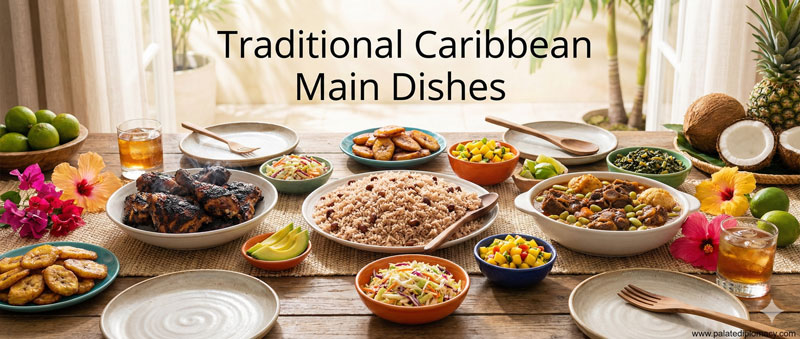
Today, jerk chicken enjoys wide appreciation. Restaurants across the Caribbean and beyond showcase jerk as a signature flavor. Home cooks keep the tradition alive with accessible ingredients and clear techniques. The dish remains versatile: it pairs with rice, beans, and fresh vegetables, or appears in Modern bowls and plates. This ongoing relevance shows why jerk chicken endures as a cornerstone of Caribbean Food Culture. It adapts while staying true to its core character: bold, bright, and inviting to all.
How to experience jerk across the Caribbean
To truly experience jerk, seek out a live grill and a house-made rub. Notice how the pepper heat, herb brightness, and smoky notes interact. Compare versions from different kitchens and regions. Enjoy the ritual of a shared meal—the crackle of the grill, the scent of spice, and the welcome of a table ready for friends and family. Each bite offers a doorway into Caribbean cooking and its celebration of flavor, scent, and togetherness.
Conclusion
Jerk chicken has earned a warm place in Caribbean food culture through flavor, craft, and community. Its spicy brightness and smoky depth create a dish that invites conversations, gatherings, and joyful meals. By exploring its textures and tastes, you discover not just a recipe, but a tradition of hospitality and shared delight that travels with every grill.