
How Jerk Chicken Became Popular Across the Caribbean
Jerk chicken is a bright thread in Caribbean cooking. It carries warmth, aroma, and a sense of shared dining. People meet around smoky grills, swapping stories as the spice blends perfume the air. The dish invites curiosity and celebration. It stands as a symbol of flavorful hospitality and everyday artistry.
A Flavor That Travels Across the Caribbean
The heart of jerk chicken is bold but layered. A simple bite reveals heat, herb, and smoke. The combination of hot peppers, earthy pimento, and fresh aromatics creates a signature profile. Across islands, cooks adapt the finish to local tastes while keeping the core character intact. This balance—uniform warmth with regional nuances—helps jerk chicken feel both familiar and exciting wherever you find it.
The Heart of the Marinade
A traditional jerk begins with a vibrant rub or marinade. Key elements include pimento (allspice), thyme, scallions, garlic, and onion. Scotch bonnet or habanero peppers bring bright heat. Salt, a touch of sugar, and pepper deepen the layers. Sometimes a splash of soy or citrus sharpens the finish. Marinade time matters: longer contact lets flavors meld, producing a richer, more even heat. The result is a glossy, evenly seasoned meat that blushes with color and scent.
Cooking Methods and the Smell of Joy
Jerk chicken shines when grilled. Charcoal or wood fires add a smoky edge that complements the spice. The technique often pairs high heat for a quick sear with controlled, slower cooking to keep the meat juicy. The sizzling surface and the rising aroma pull people toward the grill. The cooking ritual itself becomes a social moment, drawing neighbors and visitors to share in the anticipation and aroma.
Regional Variations: A Caribbean Palette
Jamaicans may emphasize a robust, pepper-forward profile with a strong herb note. In other islands, cooks blend local peppers, additional fresh herbs, or sweet touches to suit their pantry. Some versions lean toward a deeper smokiness; others lean into brighter citrus accents. These small adjustments create a Caribbean map of jerk styles, each offering a distinct but related experience. The thread remains constant: jerk is about balance, technique, and the joy of cooking outdoors.
Social and Culinary Significance
Jerk chicken thrives in social settings. Markets, street stands, and family cookouts turn the dish into a gathering moment. Recipes often travel from one generation to the next, carried by home cooks and seasoned vendors. It is common to see a crowd share space around a grill, listening to music, tasting, and learning. The dish fosters memory, pride, and a friendly exchange of tips and stories. Through these exchanges, jerk becomes a shared craft rather than a single recipe.
Food Scenes: Markets, Stands, and Celebrations
The market aroma is unmistakable. Vendors flip pieces of meat with practiced ease, turning them as the spice clings and crackles. Festival booths showcase jerk as a centerpiece, inviting guests to sample and compare styles. These scenes celebrate skill, timing, and hospitality. People return to the stand again and again, guided by the scent and a promise of satisfying flavor.
Pairings and Sides: Completing the Experience
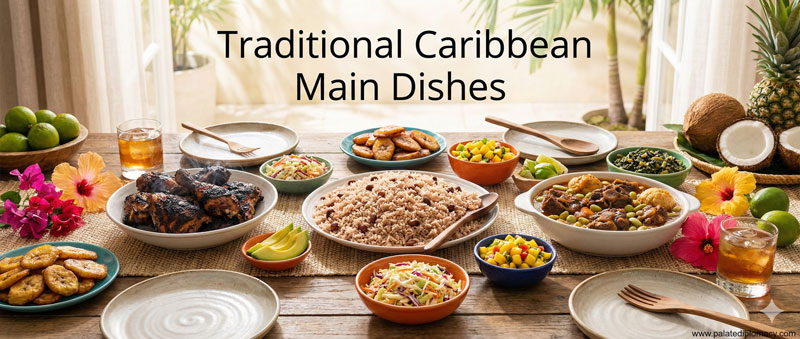
Jerk chicken often arrives with rice and peas, fried plantains, or festival bread. Quick salads, pickles, or lime wedges brighten the plate. A refreshing drink, such as a cool sorrel or a light fruit juice, complements the heat. The standard accompaniments let the spicy, smoky meat shine while offering balance and variety for the palate.
Ways to Respect and Enjoy Jerk
Approach jerk with curiosity and respect for the craft. Observe the technique, savor the aroma, and appreciate the skill in timing and heat control. If you cook at Home, start with a milder version and build gradually. Clean knives, fresh ingredients, and careful handling emphasize care for the food and the cook.
A Toast to Caribbean Flavor
Jerk chicken stands as a bright celebration of Caribbean cooking. It honors tradition while inviting personal interpretation. Its popularity across the region comes from accessible techniques, vivid aromas, and the shared joy of a meal enjoyed with others. Whether you taste it at a market, a family cookout, or a restaurant, the dish invites you to linger, smile, and savor the beauty of Caribbean Food Culture.