
Discover the Bold Flavors of Jollof Rice
Discover the Bold Flavors of Jollof Rice invites you to explore a dish that brightens tables and carries a sense of welcome in every spoonful. This post celebrates the cultural value and culinary significance of the dish, focusing on how it shapes gatherings, inspires shared meals, and showcases regional pride in flavor. You will read about the ingredients, the techniques, and the everyday moments when Jollof Rice becomes more than a meal—it becomes a centerpiece of hospitality.
A Dish with Deep Roots in West African Kitchens
Jollof Rice lives in many kitchens across West Africa. It appears in family dinners, casual weekend lunches, and celebratory feasts. It travels from the stove to the table with aroma and color that signal warmth and care. cooks welcome guests with a pot that simmered slowly, allowing flavors to mingle. In homes and markets alike, the dish offers a dependable, inviting canvas for local ingredients and personal touches. Its appeal lies in consistency and creativity: a reliable foundation that supports regional twists and family memories.
The Canvas: Core Ingredients and Techniques
The Heart of Jollof Rice is a rich, tomato-based sauce. The base typically begins with onions sautéed in oil. Garlic, peppers, and tomato paste join the mix to build depth and brightness. A bright red-orange color comes from ripe tomatoes and sometimes palm oil or vegetable oil. The rice versatilely soaks up the sauce, becoming infused with the flavors around it.
Common core ingredients include long-grain rice, tomato or tomato paste, onions, bell peppers or hot peppers for a gentle kick, garlic, stock or water, and a blend of spices. Optional additions add personality: thyme, bay leaves, curry powder, paprika, and black pepper are popular choices. You may also find variations with a light splash of tomato sauce or a touch of sugar to balance acidity. Some cooks finish the dish with fresh herbs or fried onions on top for a final note of aroma.
The technique is straightforward but attentive. Sauté aromatics until soft, then simmer the tomato base to deepen its flavor. Add rice and enough stock to reach a moist, simmering pot. Let the mixture cook gently, covered, until the rice absorbs the liquid and remains tender. Resting briefly after cooking helps the grains set and flavors to settle. The result is a dish that sings with warmth and a well-balanced tang.
The Symphony of Spices and Sauces
Jollof Rice earns its bold character through a careful balance of acidity, heat, and aroma. The tomato base provides brightness and depth. Pepper adds warmth, while spices contribute subtle complexity rather than overwhelm. Thyme offers a herbal lift; bay leaves bring a gentle, fragrant note; curry powder or paprika can introduce a warm, earthy nuance. The choice of oil—palm oil for a deeper, reddish hue or a neutral oil for a cleaner finish—also shapes aroma and color.
The sauce embraces sweetness from ripe tomatoes or a pinch of sugar, countered by a savory backbone from stock and onions. The result is a dish with a bright initial bite and a comforting, lingering aftertaste. When cooked with patience, the sauce thickens just enough to cling to the grains, allowing each bite to carry a chorus of flavors without becoming heavy. The balance of textures—soft rice with a slightly toothsome bite—enhances the dining experience and invites second helpings.
Regional Voices: Variations That Shine
Across communities, Jollof Rice reflects local tastes and pantry staples. Nigerian versions often emphasize a rich, tomato-forward profile with generous seasoning and a slightly smoky edge. Ghanaian preparations may highlight a vivid tomato base alongside peppery heat and aromatic herbs. Other West African adaptations bring palm oil for color and a distinctive aroma, while some cooks prefer a lighter oil and a more restrained spice blend. Regional differences can also show up in the choice of stock, the duration of simmering, and the final garnish, such as fried onions or fresh herbs.
What stays constant is the dish’s role as a flexible stage for ingredients that are readily available. Cookbooks and home kitchens alike celebrate how Jollof Rice can adapt to seasonal produce, accommodate protein additions, or stand proudly as a vegetarian main. This flexibility makes it a shared treasure, a dish that hosts a variety of flavors while preserving a sense of unity on the table.
From Stove to Table: Cooking as a Social Act
Cooking Jollof Rice often becomes a communal activity. Families gather around the stove, taking turns stirring, tasting, and adjusting seasoning. The pot becomes a focal point for conversation, laughter, and collaboration. This social aspect reinforces a sense of hospitality and care. When guests arrive, a pot of Jollof Rice signals that warmth and generosity are welcome.
Serving the dish invites conversations about family traditions, favorite tweaks, and memories linked to specific gatherings. A well-made batch can bring smiles and a sense of shared ownership—everyone contributes, and everyone enjoys. The practice of preparing, sharing, and presenting Jollof Rice strengthens community bonds and creates lasting memories around the meal.
Plate and Pairings: Presentations that Shine
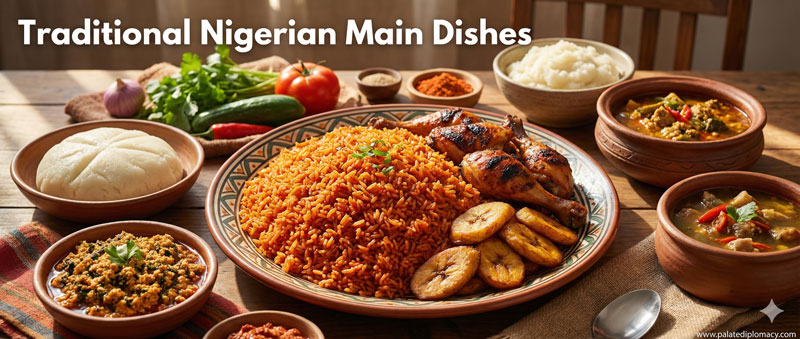
Jollof Rice shines on the plate with its vibrant color and inviting aroma. It pairs beautifully with simple accompaniments that complement its richness. Fresh salads, plantain slices fried until golden, and a crisp side of greens can balance the meal. A light sauce or chutney adds bright contrast, while a protein such as grilled chicken, fish, or legumes provides additional texture and savoriness.
When plated, the dish often appears as a warm bed of red-orange grains, occasionally dotted with herbs or fried onions. A clean presentation allows the color to speak for itself and heightens the sense of celebration without overpowering the dish’s aromatic profile. The result is a meal that looks as inviting as it tastes, inviting conversation and appreciation for the craft behind it.
The Cultural Value and Culinary Significance
Jollof Rice embodies hospitality, resourcefulness, and regional pride. It is a dish that travels easily from home kitchens to public gatherings, always carrying a sense of welcome. The careful balance of tomatoes, spices, and rice reflects a culture that values depth of flavor and warmth of sharing. Its versatility invites cooks to honor tradition while embracing personal touches. In this way, Jollof Rice becomes a living canvas where family memories, seasonal ingredients, and local technique come together.
The dish also highlights the artistry of one-pot cooking. The method requires patience and attention, but it rewards the cook with a cohesive, flavorful result. The technique allows flavors to meld and intensify, creating a comforting experience in every bite. For many, Jollof Rice is not just food; it is a ritual of gathering, conversation, and gratitude for good company and good meals.
In a world of fast meals and takeout, Jollof Rice offers a moment of mindful cooking. It invites cooks to pause, taste, and adjust with intention. It rewards curiosity with a dish that is both familiar and bold. Its cultural value rests in its ability to bring people together around a pot, sharing stories as much as flavors.
A Final Note: Embracing the Beauty of the Dish
The beauty of Jollof Rice lies in its generosity and its ability to adapt. It welcomes different ingredients, spices, and regional preferences while preserving a distinctive, vibrant character. It teaches that food can be a bridge between kitchens and communities, a shared language of aroma and color. As you savor this dish, you taste not only this moment of cooking but also the sense of welcome that flavors can carry from one home to another.
If you are new to the dish, start with the core ingredients and a simple spice blend. Let the tomatoes and onions sing, then gradually add your preferred herbs and a gentle heat. If you bring in regional twists, do so with balance, so the rice remains the star and the flavors support it. In every variation, Jollof Rice remains a testament to careful technique, bright flavors, and the joy of sharing a well-cooked meal with others.