
Introduction
A Complete Guide to Enjoying Jollof Rice Like a Local invites you to savor a dish that dances at The Heart of West African kitchens. This guide highlights the cultural value and culinary significance of jollof rice. You will discover why the dish brings people together, how its flavors tell a story, and how to experience it with the same warmth locals bring to the table. The goal is to celebrate the food, the people, and the everyday rituals that surround this beloved one-pot meal.
Why Jollof Rice Feels Local
Jollof rice is more than a meal; it is a shared moment. It appears at family gatherings, street markets, and festive celebrations. The aroma fills homes long before the first bite. On the table, everyone gathers around, spoons or forks in hand, ready to connect through flavor. The dish mirrors community life: simple ingredients, careful timing, patient simmering, and a sense of hospitality. When you enjoy jollof rice like a local, you feel a welcoming rhythm in the serving and the sharing.
Core Flavors and Cooking Techniques
A classic jollof starts with a tomato base brightened by onions, peppers, and garlic. Red palm oil or a milder vegetable oil adds color and depth. The rice absorbs the tangy-sweet sauce as it cooks, gaining a smoky edge from a gentle, steady simmer. Spices such as curry, thyme, and a pinch of paprika or chili provide warmth without overpowering the tomatoes. The technique matters: you want a sauce that clings to each grain, a texture that glows with color, and a scent that invites neighbors to the table. A well-made pot releases a harmonious balance of brightness, savoriness, and comfort.
Regional Flair: Variations That Shape the Dish
Differences exist across regions, and they enrich the dish rather than complicate it. Some cooks favor a richer tomato paste base; others use fresh tomatoes for a brighter, lighter tone. Rice choices vary too—long-grain varieties yield a drier burst, while medium-grain options offer a softer bite. Meat lovers might add chicken, beef, or fish, while plant-forward versions lean on vegetables or beans for heartiness. Yet in every version, the core idea remains: transform simple ingredients into a resilient, jubilant dish that welcomes everyone to share.
How to Enjoy Jollof Like a Local
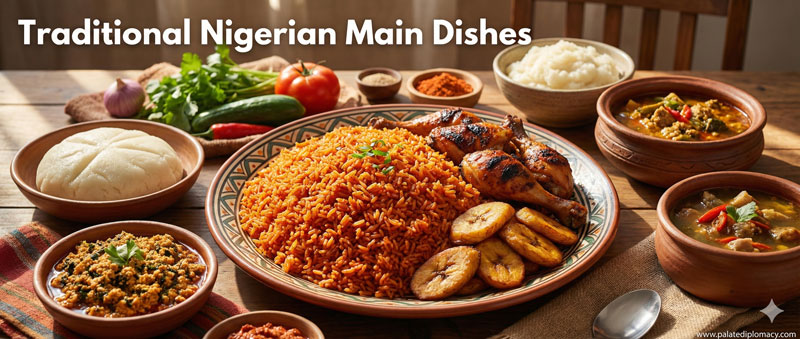
To experience jollof rice as locals do, start with the setting. A large pot in the center of the table invites conversation and a communal vibe. Serve with side dishes that complement the main plate, such as fried plantains, a fresh salad, or grilled protein. Take a moment to notice the aroma—the blend of tomato, onion, and spice—and then take your first bite. Taste should be balanced: a gentle sweetness from tomatoes, a bright acidity, and a lingering warmth from seasonings. Enjoy with friends or family, savoring both the flavor and the shared moment.
Etiquette and Serving Traditions
Sharing is part of the ritual. In many homes, the pot rests on a woven mat or table, and everyone serves themselves from the same pot. If utensils are used, a spoon is common; some households enjoy a fork as well. A quick word of thanks or a smile can accompany a serve, reinforcing the sense of community. And when possible, try a small taste of the pepper sauce or a side that adds texture and contrast. The etiquette centers on generosity, rhythm, and appreciating the effort that goes into each pot.
A Quick Guide: Jollof Essentials
- Key ingredients: rice, tomatoes or tomato paste, onions, peppers, garlic, and a flavorful oil.
- Proteins: chicken, beef, fish, or a plant-based option.
- Accompaniments: fried plantains, fresh greens, or a simple salad.
- Flavor notes: balance acidity, sweetness, and warmth with careful seasoning.
- Serving style: communal, often from a shared pot, with friends and family.
Cooking at Home: Simple Steps for Local Flavor
1) Rinse the rice and soak briefly to help it cook evenly. 2) Sauté onions and peppers until soft and fragrant. 3) Add tomato base and simmer to deepen the sauce. 4) Stir in spices and a small amount of stock or water. 5) Add the rice and cover; simmer gently until the grains are tender and the sauce coats each kernel. 6) Finish with a final taste and adjust salt or heat. 7) Serve hot with your chosen sides and a smile.
Final Thoughts
Jollof rice offers a voice for community, family, and everyday celebration. Its beauty lies in the way a single pot can carry bright tomatoes, warming spices, and the warmth of shared meals. By exploring its flavors, textures, and rituals, you connect with a tradition that welcomes all who sit at the table. Enjoying jollof like a local means honoring the craft, the patience, and the generosity that make the dish a cherished staple in many kitchens.