
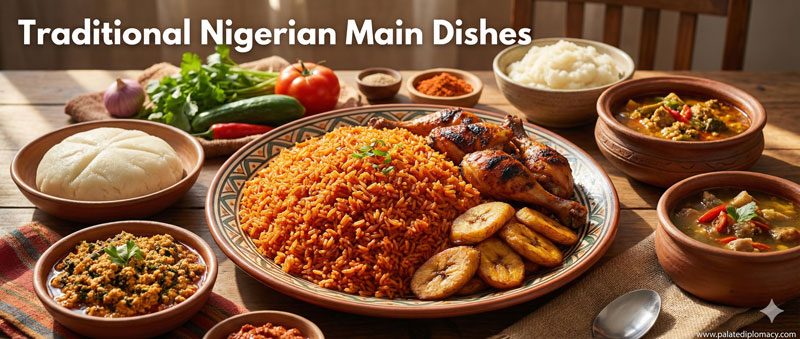
Why Jollof Rice Is One of Nigeria’s Most Loved Dishes
Jollof rice is more than a meal; it is a warm invitation to gather, share, and savor color and aroma. In Nigeria, this one-pot dish appears at family tables, street corners, and festive feasts. Its bright red hue, rich fragrance, and comforting taste create a sense of welcome that many people carry from kitchen to kitchen. The dish speaks to everyday joy as well as special moments, making it a cornerstone of Nigerian dining.
What Makes Jollof rice so beloved? It blends simple staples into a memorable experience. The process starts with a tomato-based sauce that carries onions, peppers, garlic, and herbs. The sauce becomes a canvas for the rice to absorb flavor. The result is a harmonious balance of bright acidity, gentle heat, and a touch of sweetness. Each bite echoes careful preparation, patience, and care, and that careful craft is felt in every home that serves it.
The Core of Jollof: Rice, Tomato, and Spices
At the heart of Jollof rice is the sauce. A simmered blend of tomatoes, peppers, onions, and seasonings forms a velvety base. The rice is then added and simmered until it absorbs the sauce and becomes tender. The choice of rice matters: long-grain or parboiled varieties are common because they hold shape and wick up flavor without turning sticky. The spice blend is essential but approachable. Common notes include thyme, curry, bay leaves, and a hint of garlic. Pepper is often included for warmth and brightness, with options to adjust to taste. A splash of oil—palm oil in traditional preparations or a neutral oil in lighter versions—helps carry the aroma and color. The beauty of this core lies in its balance: enough tang from the tomato, enough depth from the spices, and enough moisture for the grains to shine.
The technique matters as well. Sautéing onions and pepper to release their fragrance sets the plan in motion. Adding tomato paste or fresh tomato puree develops a robust, rich base. Then the rice meets the sauce in a single pot, where careful temperature control ensures steady absorption. The result is a cohesive, flavorful dish where each grain carries a kiss of the sauce.
A Symphony of Flavor: The Sauce and Smoke
The sauce’s flavor is a journey. It begins with the sweetness of ripe tomatoes and the brightness of onions. Garlic, peppers, and spices layer in, building depth. In many kitchens, a hint of smoke comes into play through the use of high heat, a grill, or a traditional stove. This smoke adds a subtle, comforting character that many cooks prize. Palm oil offers a distinctive nutty richness and vibrant color, though vegetable oil or a blend can be used for a milder finish. The balance of acidity, heat, and aromatics is a shared skill across homes, handed down as A Practical art.
Texture matters as much as taste. The sauce should cling lightly to the rice, not overwhelm it. The grains should be separate, each one tasting of the sauce without being soggy. Through careful simmering, the dish achieves this balance where fragrance, color, and texture unite.
The Social Thread: Cooking as a Shared Experience
Jollof rice is deeply social. It often brings families together in the kitchen and at the table. The act of cooking becomes a moment to teach, to learn, and to connect. Older and younger cooks share tips, adjust spice levels, and admire the color after a good simmer. In many households, a pot of Jollof signals hospitality: guests are welcome to taste, comment, and savor. The one-pot nature of the dish makes it practical for gatherings, yet it also invites customization. People adjust ingredients to suit family tastes, making each pot a small neighborhood celebration.
Beyond the kitchen, Jollof rice travels through conversations. Its aroma travels with a person as they move from room to room, inviting others to pause and join in. This communal quality reflects a broader cultural value: food as a bridge that brings people together, making meals moments to share rather than solitary meals to eat.
Regional Variations Within Nigerian Jollof
Within Nigeria, many kitchens bring their own touches to Jollof rice. Lagos kitchens might favor a slightly richer base and a brighter pepper note, while homes in other regions emphasize a subtler heat and a deeper tomato presence. Some cooks choose to add smoked fish, chicken, or beef to create a heartier pot, while others keep the dish strictly vegetarian. The choice of pepper can range from mild to bold, depending on preference and tolerance for heat. The method of finishing the rice—whether it is left to rest off the heat or served piping hot—also varies, contributing to distinct regional personalities in flavor and texture.
Seasonal ingredients shape the dish as well. Ripe, sun-kissed tomatoes and fresh peppers make a brighter, more vibrant sauce. Dried herbs and local spices can appear in small, meaningful quantities, lending a regional fingerprint to the familiar base. In essence, Jollof rice is both a recipe and a living tradition that adapts with the seasons and the tastes of each household.
Serving Traditions and Everyday Joy
Presentation matters in Jollof rice. The bright red color invites the eye, and the aroma invites the next bite. Many households serve Jollof rice with accompaniment: fried plantains for sweetness, a fresh salad for balance, and sometimes sliced cucumbers or coleslaw for crunch. A side of fried onions sprinkled on top adds a delicate finish. In festive settings, a larger crowd might enjoy the dish with grilled chicken or fish, all arranged on a shared platter to emphasize community.
The serving culture around Jollof rice also honors hospitality. Guests are offered seconds with warm smiles, and conversations flow as freely as the steam rising from the pot. This ritual reinforces a sense of care and belonging that many Nigerians associate with good food and generous hosting.
The Culinary Significance in Nigerian Food Culture
Jollof rice holds a cherished place in Nigerian cuisine because it embodies practical skill, comfort, and celebratory spirit. It demonstrates how a few everyday ingredients can come together to create something memorable. The dish invites cooks to be precise with timing, balance, and heat, while also celebrating improvisation and family tastes. Its versatility makes it accessible to beginners and rewarding for seasoned cooks, who can layer in their own twists without losing the dish’s core identity.
Culturally, Jollof rice stands for warmth and hospitality. It signals welcome and care, inviting guests to share, listen, and enjoy together. The dish also acts as a common thread across households, linking generations through technique and aroma. In this way, Jollof rice is not just food; it is a living tradition that reflects the beauty of Nigerian home cooking and urban dining alike.
Closing Thoughts: A Dish That Feels Like Home
Jollof rice remains one of Nigeria’s most loved dishes because it blends flavor, color, and community into one memorable pot. It teaches generosity—of time, effort, and flavor—and it rewards patience with a comforting, satisfying meal. Whether cooked for a quiet family dinner or a lively gathering, the dish invites everyone to slow down, savor, and connect.
If you step into a Nigerian kitchen and smell a simmering pot of Jollof rice, you sense both history and warmth. You taste a story told with tomatoes, peppers, and love. This is why Jollof rice endures as a beloved staple: it nourishes the body and the spirit, one fragrant serving at a time.