
Introduction: A Bright, Beloved Staple
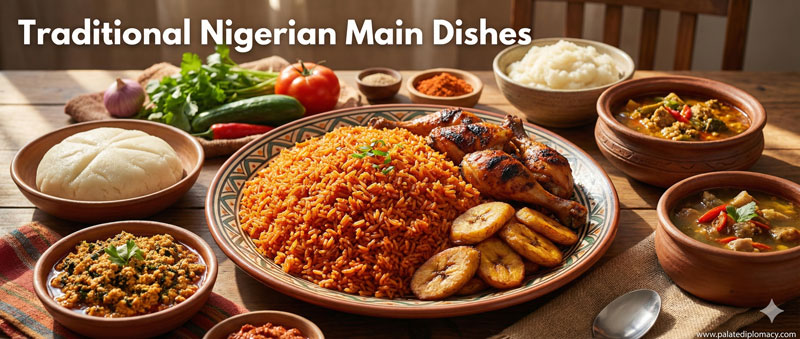
Jollof Rice is a welcoming dish in Nigerian kitchens. It blends tomato, peppers, onions, and fragrant spices into a vibrant, one-pot meal. Over time, it found a special place in homes, markets, and celebrations. The aroma fills rooms and lingers on the table. People gather around it with smiles and stories. This dish is more than food; it is a daily celebration of warmth and togetherness.
The Sizzle, Color, and Aroma
The base starts with a bright red sauce. Tomatoes and peppers mingle with onions. The sizzle in the pan tells you flavors are waking up. Oil carries the aroma up from the stove. The rice absorbs the sauce as it cooks. Each grain shines with a slight gloss when finished. The result is a dish that looks lively and feels comforting in every bite.
The Social Table: Hospitality in a Pot
Jollof rice often centers social moments. Families share recipes across generations. Friends test new twists at gatherings. It is common at birthdays, religious celebrations, and community events. The pot is placed where everyone can see and reach it. Laughter rises with steam. Serving jollof becomes a promise of welcome and care. In this way, the dish helps families and neighbors connect.
Techniques and Texture: Craft in the Kitchen
The craft matters as much as the ingredients. Start with sautéed onions. Add chopped peppers and tomatoes to build depth. Simmer briefly to soften the base. Then stir in parboiled rice so it begins to absorb the sauce. Use stock or water to reach the right level of moisture. Season with thyme, bay leaf, and a pinch of curry. The goal is fluffy grains, not mush. A gentle stir at intervals keeps the texture even. Flavor builds with patience.
Regional Voices: Expressions Across Nigeria
Different places add their own notes. Lagos kitchens may favor a bold, sauce-rich finish. In other regions, cooks adapt with local peppers or spice blends. Some prefer palm oil for a deeper color and aroma; others choose neutral oil for a lighter note. Yet the core remains the same: a shared pot, a shared meal, and a dish that speaks to home.
Modern Celebrations and Adaptations
Today, jollof rice shines in many variations. It pairs beautifully with fried plantains, vegetables, or fish. You might find versions with chicken, shrimp, or smoked flavors. Each adaptation honors the tradition while inviting new textures and tastes. The dish remains flexible, friendly, and robust enough to welcome fresh ideas.
Keeping the Tradition Alive: Tips for Home Cooks
To honor the dish, start with fresh ingredients. Balance tomato depth with peppers for brightness. Cook the base well to develop aroma. Use the right rice—long-grain varieties work well. Keep the simmer steady and avoid over-stirring. Serve hot and share generously. A well-made jollof invites conversation and memory.
Conclusion: Joy in a Shared Pot
Jollof rice has become a cherished part of Nigerian cuisine because it blends warmth, color, and flavor in one pot. It brings people together and invites touch, scent, and memory to the table. Its popularity rests on simple joys—good ingredients, patient cooking, and the pleasure of sharing a delicious meal. This dish celebrates home, hospitality, and the enduring beauty of Nigerian Food Culture.