
Introduction
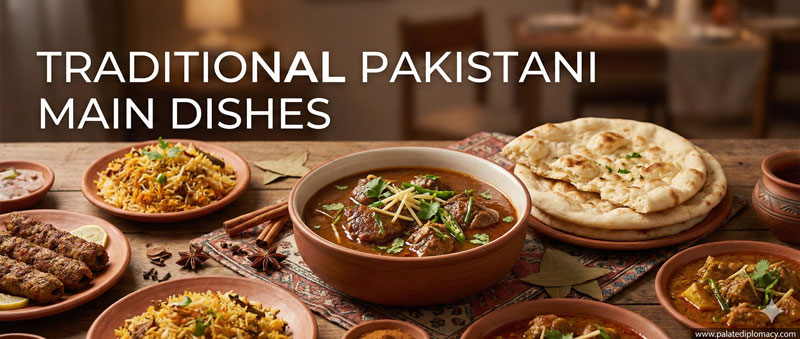
Karahi is more than a dish; it is a doorway into Pakistani kitchens and daily life. In every simmer and sizzle, it tells a story of warmth, family, and brisk, joyful cooking. The recipe blends bright tomatoes, fresh herbs, and tender meat with bold spices. Yet the real heart of karahi lies in how people share it, How It colors the table, and how it brings neighbors together. This post celebrates its cultural value and culinary significance with a clear, inviting voice.
The Karahi Pan: A Centerpiece
The karahi pan, or kadai, sits at the center of the cooking scene. Its wide, circular face heats quickly, and its high sides keep aromas close. When the meat meets hot oil, the kitchen fills with a lively scent. The pan’s design supports fast cooking, which preserves color and texture. This practicality mirrors a cultural preference for fresh, vibrant meals that come together in a short, deliberate moment.
Core Elements of Karahi
Key ingredients define karahi’s character. Tender meat or poultry forms a rich base, while ripe tomatoes add brightness and body. Garlic, ginger, and green chilies awaken the dish with warmth. Cumin and coriander lend earthy depth, while a touch of garam masala circles the flavors. Each element is chosen for balance, so the sauce sings without overpowering the stars. Together, they reflect a pantry that values freshness, aroma, and harmony.
The Technique: Quick and Bright
Cooks begin with sizzling oil, then invite the aromatics to bloom. Meat is seared to seal juices, and tomatoes soften into a glossy sauce. The process happens quickly, preserving color and texture. Stirring is steady but controlled, allowing spices to wake and mingle. The result is a bright, saucy karahi that invites immediate savoring.
Regional Voices within Pakistan
Across regions, karahi carries different notes. In one city, the sauce leans tomato-forward with a touch more tang. In another, green chilies and cumin stand out, giving a spicier profile. Yet the core idea remains: a hot, shared dish that highlights robust flavors and a straightforward method. The variations celebrate local markets, seasonal produce, and personal touch, all harmonizing under a common method.
Social Ties: Hospitality and Sharing
Karahi Shines in social settings. Families gather around the stove, chatting as aromas rise. Dishes come to the table hot, inviting hands to scoop with naan or roti. The act of serving—placing a pot on the center of the table, offering seconds, and sharing stories—embodies hospitality. In this way, karahi becomes a shared experience that strengthens community bonds.
Scent, Color, and Sound: The Experience
The kitchen fills with a chorus of sounds and scents. Sizzling oil meets garlic and ginger, then rich tomato notes join the mix. The color shifts from pale to vivid red-brown, a signal that the dish is near ready. Each bite reveals balance: sweetness from tomatoes, heat from chilies, and depth from spices. This sensory rhythm helps define the cultural moment around a meal.
Pairings and Serving Traditions
Karahi pairs beautifully with bread, especially fresh naan or chapati. A cooling raita or tangy pickle helps refresh the palate between bites. Fresh lemon wedges add a bright finish, while herbs sprinkled on top lift the aroma. These accompaniments reflect a conduct of meals that values variety, texture, and a clean, satisfying finish.
Conclusion: A Living Culture on the Plate
Karahi stands as a vibrant reflection of Pakistani Food Culture. It embodies quick, confident cooking, fresh ingredients, and a spirit of sharing. The dish honors the everyday cook and the families who savor it together. By celebrating karahi, we celebrate a tradition that welcomes all to taste, learn, and enjoy the beauty of communal dining.