
Introduction
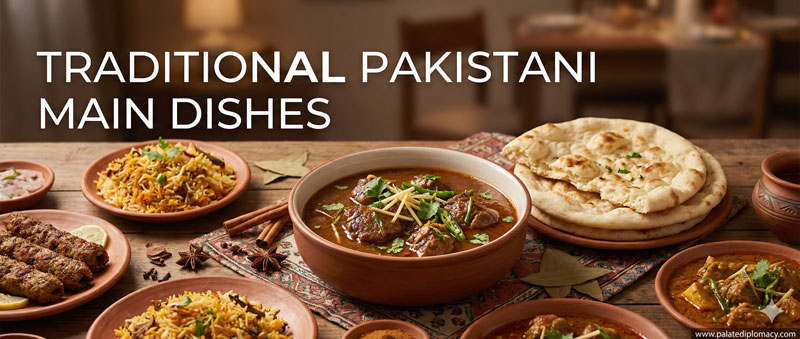
Karahi has earned a beloved place in Pakistani Cuisine not just for taste, but for the warmth it carries. It arrives at the table with a lively aroma, a bright sauce, and meat cooked to just-there tenderness. The dish embodies hospitality: a pot kept hot, a crowd drawn near, and conversations that flow as freely as the steam. Its popularity grew from home kitchens, bustling street corners, and family-style eateries where meals are shared in minutes and memories are made in minutes more. This piece invites you to explore the cultural value and culinary significance of karahi, celebrated for its clarity of flavor, its accessibility, and its role in everyday celebration.
The Pan and the Craft
The karahi pan is essential to the dish’s character. Its wide, rounded shape concentrates heat and lets ingredients sear quickly. That rapid, high-heat bloom is what seals juices and builds depth. Cooks begin with a chorus of spices—garlic, ginger, green chilies—frying them in oil until they release fragrance. Then meat joins the pan and changes color, ready to mingle with chopped tomatoes. The technique, often called bhuna, means the sauce thickens as oil rises and spices bloom. The result is a glossy, aromatic base that clings to each bite. This technique makes karahi feel immediate, bright, and satisfying from the first sizzle to the last spoonful.
The Flavor Path
At the heart of karahi is balance. Meats such as chicken or lamb are cut into bold chunks and seared. Tomatoes provide sweetness and tang, softening into a rich, velvety sauce. Garlic, ginger, and green chilies add warmth and a subtle bite. A pinch of garam masala, cumin, coriander, and sometimes turmeric paints the dish with depth and glow. Fresh cilantro and a squeeze of lime finish the pot, lifting flavors just before serving. Many cooks also offer a yogurt-based marinade or a light touch of fenugreek for fragrant nuance. The result is a tomato-forward, pepper-bright dish that stays lively as it rests briefly off the heat, inviting another helping.
A Cultural Mosaic
Across cities and towns, karahi wears local flavors with pride. In Punjab, the dish often arrives with a robust, tomato-forward depth and generous spice. In coastal-influenced settings, bright herbs and a touch of citrus nuance the profile. Lahore might celebrate a dramatic finish of fresh coriander and crisp ginger juliennes, while Karachi kitchens may emphasize a bolder chili note for a punch of heat. Yet the core remains constant: meat, tomato-based sauce, and a quick, respectful cook that preserves the meat’s tenderness. This shared method bridges regional tastes, turning karahi into a unifying emblem of a diverse culinary culture.
Social Circles and Shared Moments
Karahi Shines in company. Families gather around the stove, friends pull up chairs, and neighbors lean in to catch a whiff of the sizzling pan. In street-side kitchens, a karahi becomes a focal point where conversations flow as freely as the steam. The dish invites sampling: a scoop for everyone, a bite to compare with the one just savored. The act of sharing karahi reinforces a sense of belonging and generosity, turning a meal into a social ritual as well as a culinary one.
The Sizzle and the Scent: Serving Karahi
When karahi is ready, it is served hot, often with piping naan or fresh roti. A generous handful of chopped cilantro, a few slivers of ginger, and a wedge of lemon brighten the plate. The sizzling sound and the aromatic steam invite careful, appreciative tasting. Small bowls of onion slices and mint chutney often accompany the dish, offering crisp, fresh contrasts. The presentation centers on warmth and hospitality: a sturdy pan, a bright sauce, and the shared satisfaction of good company and good food.
Endurance and Adaptability
Karahi endures because it is adaptable as well as delicious. It suits weeknight cooking and special gatherings alike. It welcomes a variety of meats, and cooks quickly enough to fit busy schedules. It also invites safe, creative twists—whether adjusting heat levels, adjusting spice blends, or including vegetables for a lighter version. The dish’s simplicity hides its sophistication: a few well-chosen ingredients handled with care yield a meal that feels celebratory yet uncomplicated at the same time.
Conclusion
In Pakistani cuisine, karahi stands as a beacon of flavor and fellowship. Its popularity grew from the joy of cooking fast, tasting boldly, and sharing generously. The dish celebrates the beauty of simple ingredients transformed through technique, and it honors the everyday moments when a family or a group of friends gathers around a hot pan. Karahi remains inviting, respectful, and ever present in the kitchens and eateries where food is love made visible.