
Introduction
Karahi has earned a celebrated place in Pakistani cuisine, not only for its bold flavors but also for the warmth it brings to gatherings. This dish, and the pan that bears its name, mirrors the heart of many kitchens: quick, honest cooking that honors fresh ingredients, skillful technique, and generous sharing. In this article, we explore how karahi rose to prominence, its cultural value, and its culinary significance within Pakistani Food Culture. You will see a dish that is at once simple and sophisticated, a everyday favorite and a dish that shines at celebrations.
What is Karahi?
A karahi is a sturdy, circular wok with sloped sides. It is ideal for high-heat cooking and swift flavor development. The dish it houses is equally straightforward and vibrant. Meat or vegetables simmer in a bright, tomato-rich sauce enriched with garlic, ginger, green chilies, and a chorus of spices. The result is a glossy curry, aromatic and accessible, finished with fresh coriander and a squeeze of citrus. The combination of fast cooking, open presentation, and the inviting aroma makes karahi a dish that draws people to the table.
The Technique and Flavor
The greatness of karahi lies in technique as much as in ingredients. Chefs begin with a hot pan and a small amount of oil, searing pieces of meat to develop a deep, caramelized color. This browning creates a savory foundation. Tomatoes are added next, giving the sauce brightness and body. Spices arrive in a coordinated blend—cumin, coriander, chili, and garam masala—each contributing warmth without overpowering the others. Ginger and garlic wake the sauce, while fresh green chilies add a kick that can be adjusted to taste.
The cooking pace is brisk. The sauce thickens quickly, coating the meat with a glossy sheen. Fresh herbs, usually cilantro, glide on top as the dish finishes, followed by a touch of lemon or lime for brightness. The result is a dish that balances heat, acidity, and savory depth, inviting a second helping and a longer conversation about flavors and technique.
Cultural Value and Hospitality
In many homes, karahi is more than a meal; it is a shared ritual. The dish sits at the center of the table while family members and guests gather around, plates and naan or roti within easy reach. The aroma—tomatoes simmering with garlic, a hint of smoke from the pan, and the liveliness of fresh herbs—welcomes people before they even taste the first bite. Serving karahi becomes a gesture of hospitality, a quiet promise that everyone at the table will be nourished and respected.
Karahi also reflects a culture of generosity. Portions are generous, and seconds are common. Guests are encouraged to savor every mouthful, while conversations flow as freely as the steam that rises from the pan. The dish supports a communal dining experience—one that values conversation, memory, and the simple joy of sharing food made with care. This social dimension is a distinct part of karahi’s identity in Pakistani cuisine.
Regional Variations and Voices
Within Pakistan, regional flavors shape karahi in delightful ways. In Punjab, the heartland of many karahi traditions, cooks favor a robust balance of meat and a bright, tomato-forward sauce. In the Karachi and Sindh region, a slightly tangier note can emerge from local spice blends and the use of fresh herbs that brighten the dish. In Khyber Pakhtunkhwa, a touch of smokiness may mingle with the spice profile, reflecting regional grills and outdoor cooking influences. Across regions, the dish remains recognizably karahi, yet each area adds its own voice, from spice emphasis to the level of heat and the choice between chicken, mutton, or vegetables.
This variety speaks to the adaptability and resilience of karahi as a concept. It is not a rigid recipe, but a format that welcomes fresh ingredients and family favorites. The result is a dish that can be both everyday and special, versatile enough for a weeknight supper and dignified enough for a celebratory feast.
From Street Food to Home Table
Karahi’s rise in popularity can be traced from lively street stalls to the warmth of home kitchens. Street vendors offer small, sizzling portions that travel well, encouraging curiosity and appetite. The quick sizzle and the aroma of simmering tomatoes invite passersby to pause, sample a bite, and continue their day with a comforting memory of a spicy, bright dish.
As families and restaurants began to recreate the experience at home and in dining rooms, karahi became a fixture of weekly meals and festive menus. The dish translates well to different settings: it can be served with warm naan or soft roti, a green salad on the side, and perhaps a simple dessert to finish the meal. The portability of the dish, the ease of preparation, and the shared pleasure of eating together all contributed to its enduring appeal.
Pairings, Presentation, and Plating
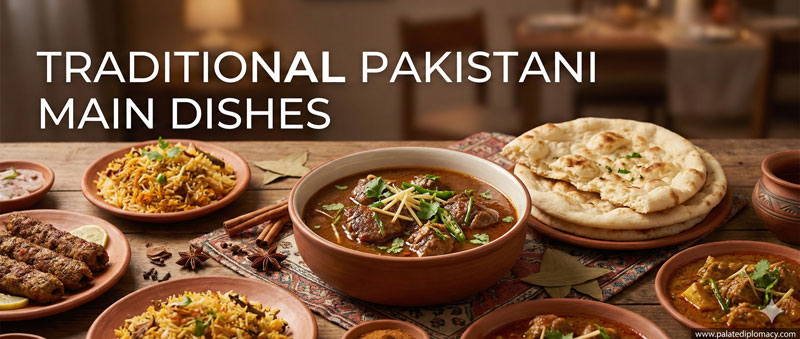
Karahi Shines in its presentation. The glossy sauce, bright red to amber in color, juxtaposed with green cilantro and pale flatbreads, creates a visually inviting plate. The dish is typically served directly from the pan, keeping the sauce warm and inviting. Slices of onion, wedges of lemon, and fresh herbs on the side invite diners to personalize each bite.
Naan or roti is the natural accompaniment, absorbing the flavorful sauce and providing a satisfying balance of textures. A simple cucumber yogurt raita or a crisp pickle can accompany the meal, offering a cooling contrast to the heat and warmth of the karahi. The plating emphasizes generosity and hospitality—sharing the sauce, the aroma, and the experience of eating together.
The Cultural Echo
Beyond taste, karahi reinforces cultural rhythms: cooking as a communal act, sharing as a sign of care, and tradition as living practice. The dish invites conversation about ingredients, techniques, and the time-honored methods that bring out natural flavors. It also celebrates the seasonality of produce—the tang of tomatoes in peak season, the brightness of fresh garlic and ginger, and the aromatic lift of herbs. In this way, karahi serves as a culinary thread connecting generations, kitchens, and friends across meals and moments.
Conclusion
Karahi’s popularity in Pakistani cuisine rests on its powerful combination of flavor, technique, and social spirit. It is a dish that respects the tempo of a busy household while inviting everyone to linger, taste, and talk. The cooking method—fast, high-heat, and flavorful—paired with a sauce that shines with tomato brightness and spice warmth, creates a dish that feels both comforting and celebratory. As a symbol of hospitality and shared abundance, karahi remains a beautiful expression of food culture, where every simmering pan tells a story of family, flavor, and connection.