
Discover the Rich Flavors of Karahi
Karahi is more than a dish; it is a celebration of color, aroma, and togetherness. In kitchens across the region, the sizzling sound and bright tomatoes signal a moment of hospitality. The dish brings together meat, vegetables, and spices in a bold, harmonious balance. Its appeal lies in how quickly the flavors bloom, then linger on the palate, inviting another bite.
What Is Karahi?
Karahi is a hearty, pan-cooked preparation named after the round, wide pan called a karahi. Typically meat stars first, then tomatoes, peppers, and a careful blend of spices. The sauce is bright and glossy, neither too thick nor too thin, a reflection of skill. Served piping hot, it sits at the center of a table, inviting sharing.
The Cooking Vessel and Technique
The karahi pan itself shapes the dish, delivering intense heat for rapid searing. Chefs move the ingredients with quick, confident motions to lock in juices. As the sauce thickens, the cook watches for a glossy sheen that hides a soft bite. This balance of speed and patience makes karahi both precise and lively.
A Symphony of Spices
A confident blend of spices creates depth, warmth, and a gentle heat. Cumin, coriander, and turmeric form the earth; garam masala adds bright complexity. Fresh ginger and garlic lift the aroma, while green chilies lend a clean spark. Tomatoes provide acidity and shine, tying the whole mosaic into a cohesive sauce.
Cultural Significance in the Home Kitchen
Karahi meals are often a focal point for family and friends to gather. The dish signals generosity, hospitality, and the joy of sharing good food. A kitchen fills with aroma, and the host welcomingly invites guests to taste. Generational notes, from spice selection to timing, travel from elder cooks to younger hands.
Regional Variations
Different regions add their own voice, from milder sauces to brisk, smoky finishes. In some places, chicken or lamb takes center stage, while in others paneer offers a vegetarian path. Heat levels vary, yet the core idea remains a communal, flavorful experience. These variations show how culture and palate shape a shared dish while keeping its essence.
Presentation and Pairings
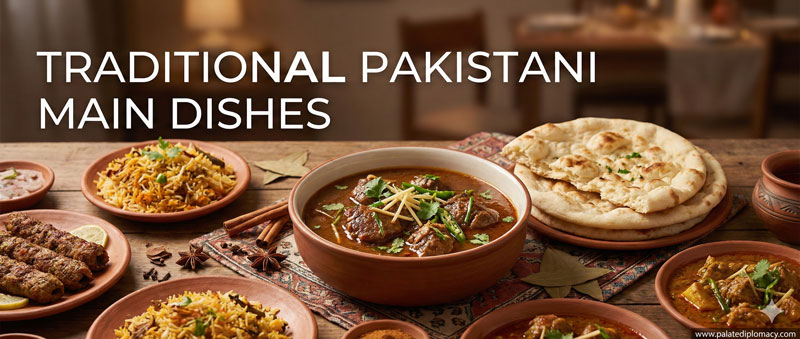
Karahi arrives steaming, with a bright garnish of cilantro and a wedge of lime. It pairs beautifully with warm breads like naan or paratha and with fluffy rice. Bright acidity from tomatoes and fresh herbs energizes the plate while balance holds steady. Sharing a karahi becomes a moment of conversation, laughter, and mutual appreciation.
A Living Tradition
Discovering karahi reveals how flavor and culture grow together over generations. The dish invites cooks to honor technique, seasonality, and the generosity of others. As a culinary tradition, karahi celebrates skillful fire, thoughtful spice, and friendly service. By tasting it, readers enter a vivid chapter of Food Culture that honors the senses.