
What is Karahi?
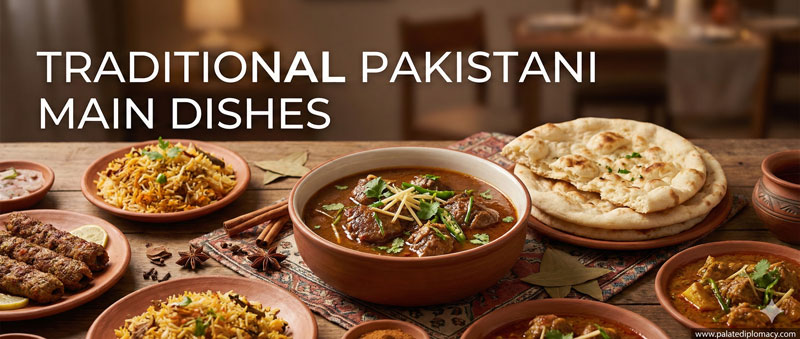
Karahi, or kadai, refers to both a round, deep metal pan and the savory dish that cooks in it. The pan’s wide mouth and tall sides let cooks toss ingredients quickly and maintain high heat. This brisk cooking yields a bright, glossy sauce that clings to meat and vegetables. The dish shows its personality through color, aroma, and texture: a tomato-forward glaze, glistening oil, tender meat, and shards of ginger and green chili.
In its most common form, karahi blends meat with aromatics like garlic, ginger, and whole spices. Tomatoes provide sweetness and acidity while balancing heat from chilies. Fresh cilantro and julienned ginger finish the plate, adding brightness that makes the dish feel lively and inviting. The result is a comforting curry that tastes freshly made, even when enjoyed with friends and family.
The Pan and the Technique
The Karahi Pan is more than a vessel; it shapes the cooking style. Cooks heat the pan to a sizzling level, then add oil and spices. The technique, often called bhunai or bhuno, means the mixture bunches and releases its fragrance as it cooks. Tomatoes are added next, simmering quickly to kiss the meat and coat every piece with a ruby glaze.
Key steps in the technique include:
– Start with a bold base of garlic, ginger, and green chilies.
– Add meat and brown it briefly for flavor depth.
– Slide in chopped tomatoes and spices, then stir constantly to prevent sticking.
– Let the sauce thicken until it clings to the meat, with a polished sheen.
– Finish with fresh cilantro and a touch of lemon or green chili for brightness.
This method favors balance: the heat stays lively, the acidity remains crisp, and the spices stay fragrant rather than overpowering. The result is a dish that feels both rustic and refined, depending on How It’s plated and served.
Regional Flavors and Variations
Karahi travels across kitchens, and local tastes color the dish. You’ll find variations that reflect what’s fresh and popular in a given region, season, or household. common avenues of variation include:
– Meat choices: chicken karahi, mutton karahi, beef karahi, and occasionally fish or paneer for a lighter, vegetarian option.
– Spice levels: some kitchens lean toward a hotter profile with green chilies; others favor a balanced warmth with richer garam masala.
– Tomato texture: some cooks use a smooth sauce; others prefer a chunkier mix with visible tomato pieces.
– Fresh accents: coriander leaves, julienned ginger, and a squeeze of lemon can shift the dish from comforting to bright and zesty.
These variations celebrate local ingredients and personal touch. Across homes and street stalls, karahi remains adaptable, inviting cooks to improvise while preserving its core technique and spirit.
Cultural Threads and Culinary Significance
Karahi is more than a meal; it is a social and culinary thread. It appears in celebrations, gatherings, and everyday meals alike. The dish invites sharing: a generous serving in a hot pan, placed at the center of the table, with naan or roti on the side. Friends and family gather around, dip bread into the glossy sauce, and savor each bite as conversation flows.
Cooking karahi can be a communal act. In many kitchens, one person handles the flame and base, another stirs, and a third adds finishing touches. This collaborative rhythm mirrors the broader culture of hospitality, where warmth, attentiveness, and a sense of welcome shape the dining experience.
The dish also has a presence in markets and eateries, where vendors offer karahi as a quick, satisfying option. The aroma—fried garlic and ginger, sizzling meat, and the tang of tomatoes—draws people in and invites them to linger, share a plate, and enjoy the moment.
Pairings, Presentation, and Serving Traditions
Karahi shines when paired with breads that can scoop up the sauce. Naan, roti, or paratha are popular accompaniments. Fresh onions, sliced lemons, and a cooling raita can balance the heat and richness, creating a harmonious plate.
Presentation matters. A well-cooked karahi shows a glossy surface, a hint of oil on the top, and bright green cilantro on the finish. The aroma should invite a second helping, and the texture should feel both tender and slightly toothsome.
As you serve, consider a few touches:
– A squeeze of lemon to brighten the sauce just before eating.
– A dusting of freshly ground black pepper or garam masala for aroma.
– A crisp raw onion slice for a sharp contrast.
These small touches enhance the sensory experience without overpowering the dish’s core character.
Ingredient Spotlight: What Makes Karahi Sing
While there are many paths to a delicious karahi, some elements consistently lift the dish:
– Tomato base: fresh, ripe tomatoes provide acidity and a natural sweetness that balances spice.
– Aromatics: garlic, ginger, and green chilies give a clean, piercing aroma that wakes the palate.
– Spices: cumin, coriander, turmeric, and garam masala create depth, warmth, and a fragrant finish.
– Fresh finish: cilantro and julienned ginger add color and brightness that brighten every bite.
Each element should feel purposeful. The best karahi highlights a harmony of Bold Flavors without any single note overpowering the others.
A Quick Guide to Enjoying Karahi at Home
If you’re new to karahi, here are simple tips to bring the experience home:
– Use a heavy pan and maintain steady, high heat during the initial browning.
– Add tomatoes after the meat has some color to ensure a rich sauce.
– Keep stirring to prevent sticking and to encourage an even, glossy glaze.
– Finish with fresh cilantro and a last-minute squeeze of citrus for brightness.
– Serve immediately with hot bread to Enjoy the sauce at its peak.
These steps help reproduce the dish’s vibrant character in a home kitchen.
Frequently Asked Aspects: Ordering and Exploring Karahi
- What should I look for in a good karahi? A glossy sauce, well-cooked meat, and fresh aromatics. The aroma should be inviting, and the sauce should cling to the meat without being thick and dull.
- How do I choose between chicken or mutton karahi? Start with your preference for texture and intensity. Chicken brings lightness and quick cooking; mutton offers deeper, richer flavors.
- Can karahi be made vegetarian? Yes. Paneer or chickpeas with the same spice blend create a satisfying, meat-free karahi.
Conclusion: The Timeless Beauty of Karahi
Karahi embodies the art of quick, energized cooking. It celebrates simple, fresh ingredients elevated by technique and care. The dish invites communal dining, warm conversation, and shared joy around the table. Each bite reveals a balance of brightness, richness, and aroma. In every kitchen, karahi serves as a reminder of how a few well-chosen ingredients and a skilled cook can create something both comforting and uplifting. By savoring karahi, you honor a culinary tradition that values hospitality, craft, and the enduring beauty of good friends, good food, and good times.
If you’re curious to explore further, start with a chicken karahi using a bright tomato base and finish with fresh cilantro. See how the pan’s heat, the spices, and the fresh finish come together to celebrate a dish that is as welcoming as it is flavorful.