
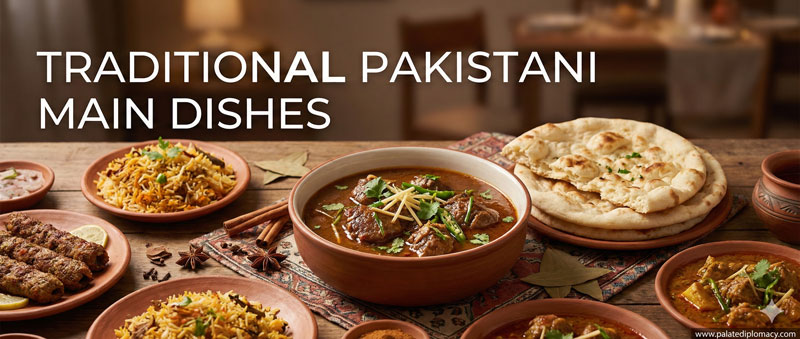
Why Karahi Is One of Pakistan’s Most Loved Dishes
Karahi, a sizzling pan of vibrant flavors, stands proudly at the heart of Pakistani Food Culture. This dish invites you into warm kitchens and lively gatherings, where the aroma greets you before the plate does. Its appeal rests not only in taste but in the joy of sharing, the precision of technique, and the way it celebrates bright, fresh ingredients. Karahi feels timeless, yet very present in every cook’s home and in busy street stalls. It is a dish that speaks of care, craft, and community.
What Is Karahi?
Karahi is a tomato-based curry cooked quickly in a deep, circular pan called a karahi or kadai. The pan’s high sides keep the heat intense, allowing the sauce to thicken with speed. Typical versions use chicken, beef, or mutton, but the method shines with any protein. Fresh tomatoes provide brightness and body, while garlic, ginger, green chilies, and a blend of spices create a balanced, layered warmth. Finishing touches of fresh coriander and a squeeze of citrus lift the dish and echo the season’s produce. You can find karahi on family tables, in bustling markets, and in cozy restaurants, always prepared with a confident, steady hand.
Flavor Profile and Cooking Technique
Karahi excels through contrast and harmony. The savory, slightly tangy tomato base carries the richness of the meat, while bright aromatics cut through with a clean, fragrant finish. The spice mix—cumin, coriander, chili, and garam masala in many households—adds depth without overpowering the ingredients. The technique is straightforward but precise: sear the meat to seal in juices, add aromatics, stir in tomatoes, and simmer just long enough for the flavors to mingle without losing freshness. The result is a sauce that clings to meat and crusts the edges of the pan with a glossy sheen. This balance between boldness and brightness makes karahi a quintessential example of Pakistani culinary artistry.
Cultural Value: Food as a Shared Experience
Karahi’s cultural value grows from its role as a centerpiece for togetherness. It is a dish that welcomes families and friends to gather around a shared meal. Its preparation often becomes a mini ritual: selecting ripe tomatoes, grinding spices, and adjusting heat with care. The aroma travels through the house, inviting conversation and anticipation. As the pan comes to the table, it signals a moment to slow down, appreciate ingredients, and enjoy each bite in the company of others. In this way, karahi is more than nourishment; it is a ritual of hospitality and a gentle expression of respect for cooks and guests alike.
Regional Variations and Local Pride
Across Pakistan, cooks adapt karahi to reflect local produce and tastes. In one city, you might find a slightly spicier version with a hint of tang from regional tomatoes. In another, a touch of yogurt or cream could add a creamy balance to the sauce. The choice of meat—chicken, lamb, or beef—also shapes the character of the dish. Each variation preserves the fundamental technique and flavor philosophy, while celebrating ingredients available in the region. This adaptability highlights the dish’s resilience and its ability to carry regional pride to a single, shared plate.
Serving Traditions and Pairings
Karahi is happiest when paired with bread that can stand up to its bold sauce. Fresh naan, roti, or kulcha are traditional accompaniments, ideal for scooping and savoring every drop of gravy. A side of sliced onion, lemon wedges, and chopped cilantro completes the plate, offering bright, crisp counterpoints to the warmth of the curry. Accompanying beverages tend toward cool, refreshing options—mint tea, yogurt-based drinks, or a glass of water with a touch of lime—so the palate remains balanced and ready for the next bite. The presentation is inviting: the sizzling pan is brought to the table, steam rising as a promise of a satisfying meal to share.
Karahi in Modern Pakistani Cuisine
Today, karahi remains a foundation of Pakistani gastronomy, thriving in both home kitchens and contemporary eateries. Chefs explore precise heat control and nuanced spice blends to honor tradition while inviting new textures and interpretations. Yet the essence endures: a dish that celebrates fresh ingredients, skilled technique, and the joy of communal eating. This continuity grants karahi a timeless quality, making it a familiar favorite that travels well across generations and tastes.
Why This Dish Feels Timeless and Beloved
Karahi’s enduring appeal lies in its simple yet powerful concept: a hot pan, fresh ingredients, confident technique, and a generous sense of sharing. It invites cooks to take pride in their work and guests to relax and enjoy. The dish embodies hospitality, kinship, and the everyday beauty of cooking as a craft. Its flavors are lively but balanced, immediate yet refined. For anyone exploring Pakistani cuisine, karahi offers a clear, delicious doorway to a wide world of regional character and culinary artistry.
Conclusion
Karahi is one of Pakistan’s most loved dishes because it blends technique, freshness, and sociable spirit into a single, satisfying meal. It brings warmth to family dinners, excitement to street-table conversations, and a sense of place to every bite. Whether served in a bustling city stall or a quiet kitchen at home, karahi remains a celebration of ingredients, skill, and shared joy. If you wish to experience the heart of Pakistani cooking, let a karahi teach you how flavor, texture, and warmth can come together in perfect harmony.