
The Story Behind Karahi, a Pakistani Food Favorite
The Story Behind Karahi, a Pakistani Food Favorite, unfolds in kitchens and eateries across the land. It is a dish that speaks softly of warmth, craft, and shared meals. The name Karahi refers to the round, iron wok used in cooking. When the pan heats and spices wake, the kitchen fills with aroma. This post invites you to Discover Its cultural value and culinary significance. It is a celebration of technique, flavor, and togetherness.
A Welcome to Karahi: A Cultural Overview
Karahi is more than food; it is a ritual of hospitality. Friends and family gather around a central wok and a generous serving of warmth. The act of cooking becomes a social moment, not just a task. In many homes, a karahi sits on the stove as a daily companion, ready to create a hearty meal in minutes. The dish reflects a love for fresh ingredients and bold taste. It also honors skill, patience, and the joy of sharing. The result is a plate that feels festive, even on an ordinary day.
The Wok’s Journey: Craft and Technique
The heart of karahi lies in technique. Cooks begin with a hot pan and a small amount of oil. They add aromatics like garlic and ginger to awaken the base. Then comes meat, quickly seared to seal juices. Tomatoes join next, releasing sweetness and brightness. The sauce thickens as spices mingle. A final flourish of fresh herbs crowns the dish. The timing is precise, yet the process remains accessible. This balance between speed and care gives karahi its distinctive vigor.
Core Flavors: Ingredients and Harmony
The core of karahi is simple and robust. Meat choice varies, including chicken, beef, or goat. Tomatoes provide a tangy body, while green chilies lend gentle heat. Ginger and garlic bring warmth and depth. Spices such as cumin, coriander, and a touch of garam masala create a fragrant, layered palate. Fresh cilantro adds brightness. Some cooks finish with a squeeze of lemon or a sprinkle of kasuri methi for aroma. The result is a harmonious balance of tangy, spicy, and savory notes.
A Dish for Sharing: Social and Family Value
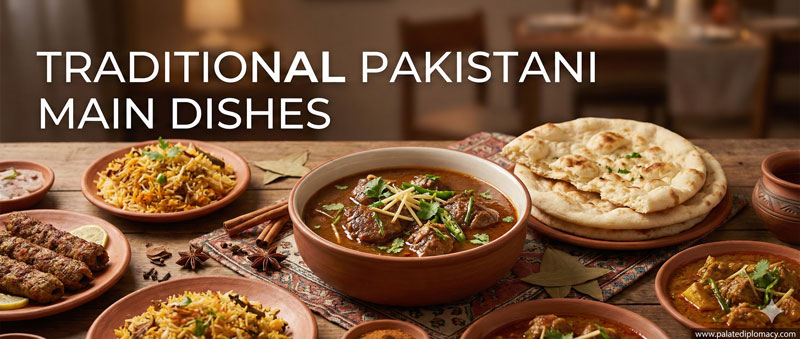
Karahi thrives on sharing. The dish is often plated on a wide platter that invites everyone to serve themselves. Accompaniments—soft naan, hot roti, onion slices, lime wedges—enhance the experience. The pot becomes a gathering point, a place where stories flow as freely as sauce. This social dimension reinforces generosity, care, and mutual enjoyment. A meal centered on karahi feels welcoming and inclusive.
Regional Tapestry: Varieties Across Pakistan
Across Pakistan, regional touches shape karahi. In Punjab, the style tends to be bold and hearty, with a rich tomato base and a sturdy finish. In Karachi, cooks may lean toward a slightly sharper spice profile and a touch more oil, which enhances the sheen of the sauce. In southern and northern villages, local herbs and milder heat can influence flavor while keeping the core character intact. Regardless of region, karahi remains a unifying dish, a culinary thread that connects kitchens through shared appetite and affection for good, bright flavors.
The Craft in Kitchens: From Home to Street Stall
Home cooks cultivate karahi with care. They learn the rhythm of heat, the moment to add tomatoes, and the patience to let flavors meld. Street stalls also celebrate the dish, serving sizzling karahis to eager customers. In both settings, the wok is central, the aroma is inviting, and the pace is lively. The craft teaches attentiveness, respect for ingredients, and pride in a well-made sauce. The karahi is a testament to skilled hands and a love of simple, honest cooking.
Pairings and Traditions: Serving and Savoring
Karahi shines with thoughtful pairings. Fresh naan or hot roti pieces are perfect for scooping. A cool yogurt-based raita or a light salad adds balance to the meal. A small squeeze of lemon brightens the sauce, while a crisp onion ring offers contrast. In many homes, karahi is enjoyed with family members gathered nearby, a small ritual that enhances the sense of place and belonging. The dish invites mindful tasting—each bite reveals warmth, brightness, and the care poured into its making.
The Story Continues: Modern Takes and Respectful Innovation
Today, cooks honor tradition while exploring new twists. Some chefs offer vegetarian interpretations that keep the tomato-sauce heart and the karahi technique intact. Others experiment with herb notes, different spice blends, or regional vegetables, all while preserving the dish’s core energy and appeal. The essence remains the same: a quick, vibrant cooking method that honors fresh ingredients and shared meals. These adaptations celebrate creativity without losing the dish’s spirit.
In closing, Karahi remains a cherished symbol of culinary craft and communal warmth. Its cultural value lies in the way it blends technique, flavor, and hospitality into a single, inviting experience. The dish stands as a celebration of everyday life—where a sizzling wok, bright tomatoes, and a chorus of smiles create a moment of togetherness that families and friends treasure. The Story Behind Karahi, a Pakistani Food Favorite, continues to inspire cooks and diners alike to savor every bright, flavorful bite.