
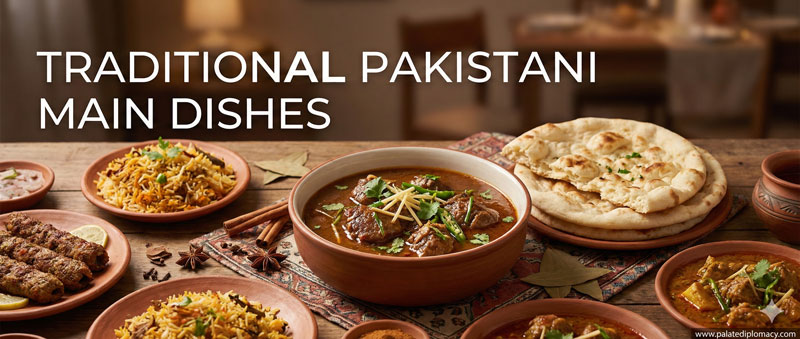
What Makes Karahi So Special in Pakistan
In Pakistan, karahi is more than a dish; it is a ritual of hospitality and a celebration of shared flavors. The sizzling pan, the vivid aroma, and the quick, lively cooking all invite people to gather. This post highlights the cultural value and culinary significance of karahi, inviting you to savor its beauty.
The Karahi Pan: Center of Sizzle and Skill
The karahi pan shapes the experience. Its round, deep sides hold heat well, guiding fast searing and a glossy sauce. Chefs master the timing, turning ingredients in the pan so everything stays vibrant. The sound of the sizzle signals a moment of connection: friends and family come closer, plates arrive, and conversations begin. In kitchens and street stalls, the karahi is a focal point where technique meets personality.
A Dish That Brings People Together
Karahi is designed for sharing. Meals arrive on a single platter or in a couple of large bowls, ideal for passing and portioning. People linger longer when a karahi is in play, because the dish invites conversation about spice, balance, and texture. Roadside dhabas and home kitchens alike use karahi as a social anchor. It is a dish that travels from a family kitchen to a busy street stall, always expanding the circle of readers and tasters at the table.
A Palette of Fresh Ingredients and Bold Techniques
The heart of karahi lies in bright, fresh ingredients. Ripe tomatoes, garlic, and ginger provide a sunny base. Green chilies and coriander leaf add a lively kick and fragrance. Meat—often chicken, mutton, or beef—takes on heat quickly, creating a glossy, flavorful coating. Spices are balanced and layered, starting with cumin and coriander, then a carefully measured blend of chili, turmeric, and garam masala. The goal is a sauce that shines without masking the meat’s character. The result is a bright, comforting, and deeply satisfying dish.
Regional Echoes Within a Shared Name
Across Pakistan, karahi bears regional personality. In Punjab, the dish tends to be robust and caramelly, with a touch more oil to carry the spices. In coastal cities, a lighter, tomato-forward style can appear, echoing local produce. Yet the core idea remains the same: a fast, high-heat method that respects the meat and delivers a vivid sauce. These nuances enrich the tradition, while the essential spirit of karahi stays constant: a dish that honors freshness, balance, and community.
Aroma, Atmosphere, and Memory
Akarahi’s aroma is its memory-maker. The scent of garlic, sizzling meat, and tomato aroma lingers and invites the next bite. People remember the first taste and the warmth of the moment that accompanied it. The sensory experience—sound, smell, appearance—creates a shared memory that connects generations. This is one reason karahi remains beloved across households and eateries alike.
Pairings, Servings, and the Joy of Bread
Karahi pairs beautifully with bread. Fresh naan or fluffy roti acts as a natural vehicle for scooping up the sauce. Parathas offer a flaky counterpoint, especially when the pan shows a touch of oil and spice. Fresh onion rings, lemon wedges, and chopped cilantro brighten the plate. These simple accompaniments enhance the dish and reinforce the sense of hospitality that frames every karahi meal.
Craft, Craftsmanship, and Everyday Beauty
Home cooks and professional chefs alike honor karahi with careful attention. The dish rewards patience and attention to balance, not complexity. A well-made karahi showcases character: a bright tomato base, a gentle sheen on the meat, and a lingering aroma that invitingly lingers. This artistry—simple ingredients prepared with care—embodies a key value in Pakistani Food Culture: respect for ingredients, craft, and shared joy around the table.
In Summary: Karahi as Cultural Heart
Karahi is more than a tasty meal. It is a social ritual, a quick-cook marvel, and a staple of hospitality. Its high-heat method preserves bright flavors and textures, while its communal nature turns meals into memories. Through its aroma, its balance of spices, and its versatility with different meats and local tastes, karahi stands as a beloved symbol of Pakistan’s food culture.