
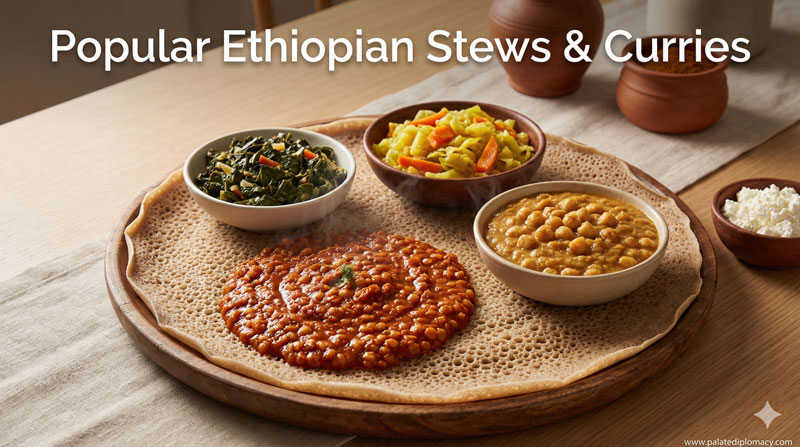
Kik Alicha is more than a meal. It is a warm thread in the fabric of Ethiopian food culture, offering nourishment, comfort, and a quiet beauty that invites sharing. In this guide, you’ll discover its flavors, techniques, and the cultural value it carries on every table.
What is Kik Alicha?
Kik Alicha is a mild Ethiopian stew made from yellow split peas, known as kik. The dish features a gentle blend of onion, garlic, ginger, and turmeric, with spices like cumin and coriander. It cooks into a creamy, yellow-hued sauce that stays comforting without heat. Served with injera, it forms a harmonious pairing that celebrates balance and unity on the plate. The simplicity of Kik Alicha highlights the ingredient’s natural sweetness and the kitchen’s careful technique.
Cultural Value and Everyday Life
in Ethiopian food culture, Kik Alicha symbolizes care and hospitality. It appears in family meals, festive gatherings, and everyday lunches alike. The dish embodies the idea of sharing a wholesome, plant-based meal that everyone can enjoy. Its mild flavor makes it approachable for all ages, inviting conversation and connection around the table. The act of preparing Kik Alicha can be a quiet ritual—measuring spices, watching the sauce thicken, and serving with warm injera to loved ones.
Ingredients and Cooking Techniques
- Core ingredients: yellow split peas, onion, garlic, ginger, turmeric, cumin, coriander, oil, salt, water or stock.
- Common enhancements: a small amount of niter kibbeh (clarified butter) for depth or a plant-based oil for a lighter finish.
- Technique highlights: sauté onions until golden for sweetness, add garlic and ginger, then stir in turmeric and other spices to bloom their aroma. Simmer with the peas until tender, letting the sauce thicken naturally.
This method yields a silky texture and a mild, fragrant profile. The color comes mainly from turmeric, creating a welcoming glow on the plate.
Serving Traditions and Pairings
Kik Alicha shines beside injera, the sour flatbread that is central to Ethiopian meals. The soft, spongy injera soaks up the sauce, making each bite a balance of textures. It also pairs well with simple salads or a side of gomen (collard greens). A modest dollop of awaze pepper sauce can accompany the platter for those who want a gentle contrast in flavor, without overpowering the dish’s mild charm.
Regional Variations and Personal Touches
Families often tailor Kik Alicha to their pantry. Some add a touch of tomato or a splash of Coconut Milk for a creamier finish. Others keep it purely onions and spices for a purer, classic profile. The choice of oil, the exact spice levels, and the use of stock all reflect household taste and seasonal ingredients. Despite these variations, the core identity remains: a mild, comforting legume dish that honors simplicity and care.
The Sensory Experience
Imagine a warm kitchen with the aroma of onion caramelizing, the bright scent of turmeric, and the gentle bite of ginger. The sauce glows a soft yellow, inviting scoops of injera to hover at the edge of the plate. The texture is smooth and hearty, with the peas yielding pleasantly to the bite. This sensory combination makes Kik Alicha welcoming and memorable.
Tips for Home Cooks
- Soak yellow split peas briefly to reduce cooking time and aid tenderness.
- Sauté onions slowly to develop sweetness; this forms the dish’s aromatic backbone.
- Taste and adjust salt at the end, as injera can add a mild tang when served together.
- Use turmeric generously for color and warmth, but balance with cumin and coriander to avoid overpowering aroma.
- Simmer gently; a long, low heat helps the flavors meld without losing the dish’s delicate character.
Final Thoughts
Kik Alicha stands as a testament to the beauty of simple ingredients treated with care. Its cultural value lies in the shared experience of preparing and enjoying a nourishing, plant-forward dish. With its inviting aroma, gentle flavors, and versatile serving, Kik Alicha continues to enrich Ethiopian culinary life and delight anyone who tastes it.