
Introduction
A Complete Guide to Enjoying Kik Alicha Like a Local invites you into a warm, shared table. Kik Alicha is a gentle Ethiopian yellow split pea stew. Its name hints at its calm, mild character. The dish shines in its simplicity and in how it sits at the heart of meals with injera. This guide explores its cultural value and culinary significance, inviting you to savor more than flavor.
What Kik Alicha Is
Kik Alicha uses yellow split peas as the star. Onions build a soft sweetness, while turmeric lends a sunny color and a subtle earthiness. Additions often include garlic, ginger, and a hint of fenugreek. Some cooks enrich the pot with niter kebbeh, a spiced clarified butter, for depth. The result is a mellow, comforting stew with a gentle aroma. This harmony makes Kik Alicha easy to share and easy to pair with other flavors on the plate.
Cultural Value in Ethiopian Cuisine
In Ethiopian dining, Kik Alicha carries a quiet dignity. It appears on meat-free days and during fasting periods, when cooks craft meals with available plant-based ingredients. The dish highlights patience and care in preparation. It also reflects the community spirit around injera, the sour flatbread that carries and carries with it every bite. People often gather to eat from a shared platter, lifting injera to scoop the stew. In this setting, Kik Alicha becomes more than food; it is a symbol of hospitality and togetherness.
Flavor, Texture, and Balance
The flavor is subtle, but clear. The turmeric provides a warm note and a pale yield to the peas. Onion sweetness grows with time, balancing the gentle spice. Texture plays a key role: the peas stay tender while the sauce remains light enough to coat the injera. The balance invites slow savoring. You taste care, not intensity. This approachable profile explains why Kik Alicha fits so well into varied Ethiopian meals.
How to Enjoy Kik Alicha Like a Local
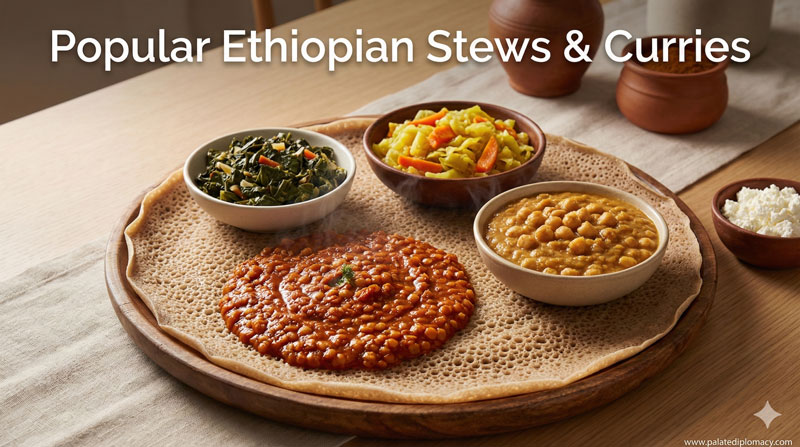
To enjoy like a local, start with a warm plate and fresh injera. Tear a piece of injera and scoop the stew. Let the injera slightly soften the sauce as you lift it to your mouth. Pair it with a small portion of ayib, an Ethiopian cheese, if you like a creamy contrast. Alternatively, enjoy it solo with the bread as a comforting, complete bite. Sip water or a mild beverage between bites to appreciate the layers of flavor. The rhythm is unhurried, focused on conversation and sharing.
Pairings and Serving Traditions
Kik Alicha travels best with injera. The bread acts as both plate and utensil. It absorbs the sauce and carries the herbs softly. On a full platter, you may find other stews with stronger spices; Kik Alicha’s mild profile offers balance. Some tables add a dollop of ayib for texture, while others rely on the natural creaminess of the stew. Either way, the pairing highlights how Ethiopian meals center harmony and hospitality.
Practical Tips for Home Cooks
Choose yellow split peas that look bright and intact. Rinse them well to remove any dust. If you don’t have niter kebbeh, you can use a touch of olive oil with a pinch of ground cumin and a whisper of fenugreek. Adjust heat to keep the dish mild and inviting. If turmeric is not on hand, a pinch of paprika can offer a similar warmth, though color will shift. Finally, serve with warm injera to maximize tenderness and aroma.
Language and Heritage Note
The term alicha translates to mild in many Ethiopian cooking contexts. This name reflects the dish’s approachable character and the intent to create comfort through flavor. Understanding these words deepens the appreciation of the culinary language at the table.
Conclusion
Kik Alicha stands out for its quiet strength. Its cultural value rests in generosity, shared plates, and daily life. Its culinary significance lies in balance, aroma, and versatility at mealtime. By savoring Kik Alicha, you participate in a long-standing tradition of hospitality. Enjoy it with intention, and let the flavors guide you to the heart of Ethiopian dining.